
You can’t walk into deliverance holding a grudge like it’s a family heirloom. I’ve tried. It slows everything down. Sometimes it flat-out blocks breakthrough. Forgiveness isn’t a cute spiritual hobby. It’s warfare. And yeah, it can feel unfair. Still true.
Forgiveness is not excusing. It is releasing
Look, when Jesus talks about forgiveness, He isn’t asking you to pretend evil was fine. He’s not asking you to call betrayal “a misunderstanding.” He’s asking you to release the debt. That’s the language. Debt. Owed. Account. Cancel it.
I used to think forgiveness meant I had to feel warm and soft about the person who hurt me. Turns out I was mixing forgiveness with emotional resolution. Different thing. Forgiveness is an act of obedience. Emotional healing tends to follow later. Sometimes way later.
What unforgiveness does in deliverance work
In my experience, unforgiveness gives tormenting spirits something to grip. That’s not mystical fluff. It shows up in sessions. You pray. You renounce. You command. And it’s like pushing a car with the parking brake on. Then we get honest about resentment. The person’s chest loosens. Breathing changes. Tears finally come. And the fight shifts.
Scripture backs that up. Jesus ties forgiveness to spiritual freedom in a way that makes modern people squirm (Matthew 6:14–15). And the parable of the unforgiving servant ends with tormentors. That word choice is not random (Matthew 18:21–35).
Forgiveness is a courtroom move, not a mood
Here’s what I mean. Forgiveness is you stepping into God’s courtroom and saying, “I hand this case to the Judge.” You’re not declaring the defendant innocent. You’re refusing to be their judge, jury, and prison guard.
And yes, you can forgive and still report a crime. You can forgive and still set boundaries. Some people confuse forgiveness with reconnection. That confusion gets people hurt again.

Why forgiveness unlocks freedom in the spirit
Thing is, deliverance isn’t just about “casting out.” It’s about removing legal ground. Sin gives ground. Trauma can create openings. And unforgiveness often acts like a signed permission slip you didn’t realize you were holding.
The enemy loves a righteous-sounding grudge
Real talk: the hardest unforgiveness to drop is the kind that feels holy. “I’m just standing for truth.” “I’m not letting them get away with it.” “Someone needs to hold them accountable.”
All of that can sound responsible. But if it’s rooted in vengeance, it’s poison. Romans 12 says vengeance belongs to the Lord. Not to you. Not to me.
I had a client who could quote every verse about justice. Sharp. Disciplined. But she couldn’t sleep. Nightmares. Panic. We traced it back to bitterness toward a parent. Once she forgave (through sobs, not smiles), the night oppression eased within days. Not every story is that fast. But I’ve seen it enough that I don’t ignore it anymore.
Forgiveness lines you up with the cross
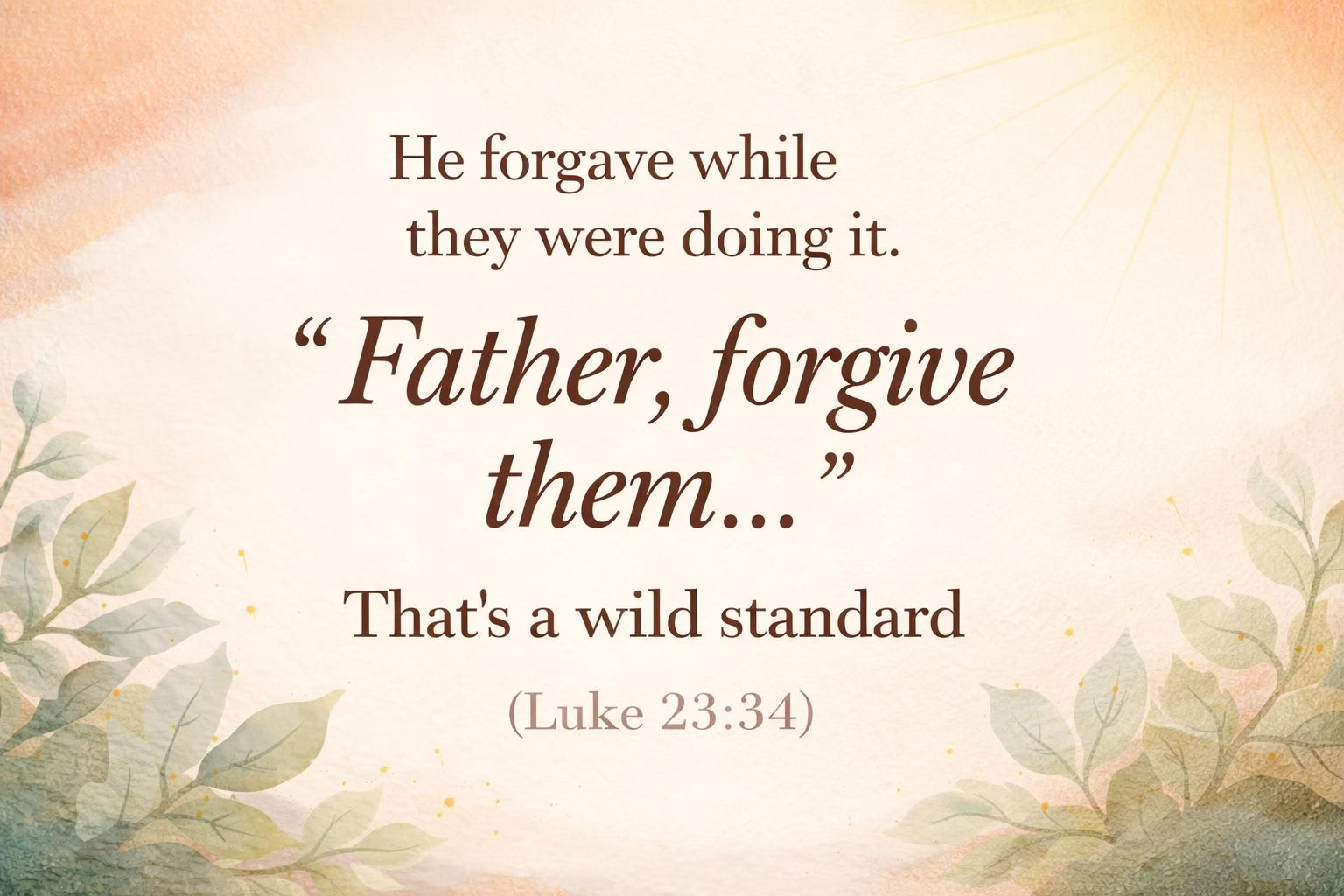
Jesus didn’t forgive after people apologized. He forgave while they were doing it. “Father, forgive them…” That’s a wild standard (Luke 23:34). And you don’t copy that in your own strength. You borrow His strength. That’s the whole thing.
If you want a bigger framework for how repentance, renunciation, and forgiveness fit together, I recommend reading repentance and renunciation teachings for deliverance. It’s the stuff I keep coming back to when things feel stuck.
How I walk someone through forgiveness step by step
So, how do you actually forgive when your body still feels angry? When your memories still sting? I keep it simple. Not easy. Simple.
Start with naming the offense
Don’t do vague. Vague stays hidden. I’ll often ask, “What exactly did they do?” Then, “What did it cost you?” Time. Safety. Reputation. Childhood. Money. Trust. Something.
And I’ll ask one more question that makes people pause. “What lie did you start believing because of it?” Like: “I’m not safe.” “God won’t protect me.” “I have to control everything.” That’s deliverance territory right there.
Use a short forgiveness prayer that doesn’t perform
I’m not a fan of fancy prayers when someone’s heart is breaking. Keep it honest. Here’s a pattern I use in sessions and personal prayer. Say it out loud if you can. Whisper counts.
- “Jesus, I choose to forgive ___ for ___.”
- “I release them from owing me ___.”
- “I give You the right to judge this.”
- “I renounce bitterness and revenge.”
- “Heal what this broke in me.”
Then I pause. Silence is not wasted time. Sometimes the Holy Spirit brings up another name. Sometimes a memory. Sometimes nothing. But your nervous system needs a second to catch up.
One caution. People rush to forgive the big villain and ignore the smaller wounds. The friend who ghosted you. The pastor who shamed you. The spouse who mocked you. Those “minor” cuts can fester.
When forgiveness feels impossible, do this instead of faking it
Honestly? Some wounds are so deep you can’t just flip a switch. You try to say the words and your throat locks. That doesn’t mean you’re rebellious. It means you’re injured.
Ask God for willingness. Not feelings
I’ll pray with someone like this: “Jesus, I’m not willing yet. Make me willing.” That prayer is more powerful than people think. God responds to humility fast.
Sometimes the next step is grieving. Because you can’t release a debt you won’t admit existed. Grief is not unbelief. It’s truth telling.
Break agreement with the payoff of unforgiveness
This part gets uncomfortable. Unforgiveness has a payoff. It can feel like protection. Control. A way to stay superior. A way to avoid being vulnerable again. I’m saying this gently. But directly.
When I work with clients on this, first thing I check is what unforgiveness is doing for them. Not what it’s doing to them. Doing for them. Once you name the payoff, you can repent of it. Then you can let it go without feeling like you’re stepping into danger.
And if you need a bigger, Bible-grounded roadmap for deliverance and freedom, I wrote and teach from a resource that lays it out plainly. You can start with the complete biblical guide to Christian deliverance and spiritual freedom. It connects the dots. And it keeps you from chasing symptoms forever.
Keeping your freedom after you forgive
But here’s the part people don’t expect. You forgive once. Then the memory pops up again next Tuesday. And you feel angry again. That doesn’t mean you didn’t forgive. It means your soul is healing in layers.
Re-forgive when the wound flares up
I call it “maintenance forgiveness.” Not because forgiveness is weak. Because you’re human. When the sting comes back, I’ll say something like, “Lord, I reaffirm my forgiveness. I won’t pick the debt back up.” Quick. Clean. No drama.
This bugs me about some deliverance conversations. People treat forgiveness like a checkbox. Then they feel condemned when emotions resurface. Don’t do that to yourself.
Replace the space bitterness used to occupy
Jesus talks about an unclean spirit leaving and coming back to a swept house. The lesson is clear. Don’t leave the house empty. Fill it.
So after forgiveness, I like to pray for filling. Holy Spirit, fill the places that were clenched. Fill the memories. Fill the body. Then I add practical stuff: Scripture meditation, communion, worship, sleep, boundaries, honest community. Freedom is spiritual. And it’s also painfully practical.
At GospelLight Creations, I’m big on pairing prayer with teaching and simple tools you can actually use on a Tuesday night when you’re triggered. Books. Guided prayers. Biblical training. Not hype. Just steady discipleship toward wholeness.
FAQs for How to forgive for Christian deliverance and freedom
Do I have to forgive someone who isn’t sorry
Yes. Most of the time, that’s the real test. Forgiveness is your act before God, not their reward for good behavior. Reconciliation is different. Trust is different. But forgiveness? That’s you refusing to stay chained to what they did.
What if I forgive and the oppression doesn’t stop
That happens. Usually it means there’s more than one door. Maybe ongoing sin. Maybe fear. Maybe occult involvement in your history. Maybe trauma that needs healing prayer. Sometimes it’s simply time and discipleship. Forgiveness removes a major obstacle. It’s not always the only one. If you want to get methodical about it, that’s where solid teaching plus prayer support helps a lot.
Leave a Reply