
Accountability is what keeps freedom from turning into a one-week spiritual high. You know the feeling. You pray hard. You cry. You renounce. Then Monday hits. Old patterns creep back like they never left.
Look, I’m not trying to scare you. I’m trying to keep you free. Accountability is one of the most loving, practical ways to “walk in the light” (1 John 1:7). Not perform. Not pretend. Walk.
And yes. It can feel awkward at first. It still does sometimes.
Freedom needs a plan, not just a prayer moment
The messy truth about relapse
Honestly? I used to think deliverance was mostly about the moment. The prayer session. The breakthrough. The tears on the carpet. Turns out I was treating the aftercare like a bonus feature.
After years of this work, I check something early when someone says, “I got free but it didn’t stick.” I ask. “Who knew what you were fighting the next day?” Silence is common.
Spiritual bondage loves secrecy. It also loves spiritual adrenaline without structure. Because once the rush wears off, you’re back in your normal triggers. Your phone. Your stress. That one family member. That one memory.
Accountability is discipleship with teeth
The Bible doesn’t pitch freedom as a solo project. James 5:16 says confess to one another and pray for one another. That’s not “post a vague request and hope somebody hits like.” It’s actual people. Actual light.
So, I think of accountability as disciplined love. It’s not control. It’s not “reporting in” like you’re on probation. It’s a safety rail on a steep trail.
If you want the bigger biblical framework for freedom and deliverance, I’d point you to our complete biblical guide to Christian deliverance and spiritual freedom. It helps you map the whole process. Not just the fireworks.

Pick the right people or it backfires
Not everyone is safe for your story
Real talk: the wrong accountability partner can make things worse. I’ve seen it. A well-meaning person panics. Or gets weirdly fascinated. Or turns every confession into a lecture about “just have more faith.” That bugs me. That’s not care. That’s spiritual noise.
You’re looking for someone steady. Someone who can hear “I’m tempted” without acting shocked. Someone who won’t treat you like a project.
Most of the time, I suggest one of these options: a mature believer of the same sex, a pastor or trained prayer minister, or a small group leader with a track record of discretion. Track record matters. Big time.
Three green flags and two red ones
Here’s what I look for when I help someone choose accountability:
- They keep confidences (no “prayer gossip”).
- They’re grounded in Scripture, not just opinions.
- They can ask hard questions without being harsh.
- Red flag: they get controlling or possessive about your progress.
- Red flag: they constantly minimize spiritual warfare or trauma realities.
And please hear me. Accountability isn’t a substitute for wise pastoral care, deliverance ministry, or inner healing work. It’s the support beams that keep your healing from sagging later.
If you’re wanting ongoing community support and discipleship-minded resources, you’ll probably like what I’ve put together at GospelLight Creations. Teachings. Prayers. Books. Stuff you can actually use when life is loud.
Build a simple rhythm that exposes darkness fast
Daily check-ins that don’t become a lifestyle
Thing is, people overcomplicate this. They create a spreadsheet. A three-page “purity report.” Then they quit in ten days. Shame piles up. And they stop answering texts.
I like simple. A daily check-in for a season. Short. Honest. Not dramatic. Something like: “Green, yellow, or red today.” That’s it. You can add one sentence. “Triggered by stress.” Or “Had a dream and woke up shaky.”
And then. Prayer. Not a whole sermon. Just agreement. “Jesus, strengthen them. Guard their mind. Give them a clean off-ramp from temptation.”
Weekly questions that actually change you
Weekly is where you go deeper. Not every day. Weekly. I’ve watched people change fast with just four questions:
1) Where did you feel pressure this week?
2) What lie did you start to believe?
3) What did you do when you felt that pull?
4) What obedience step are you taking next?
Notice what’s missing. “How bad were you?” I’m not a fan of sin-scorekeeping. It can turn into performance. The point is repentance and renewal. Romans 12:2 stuff. Mind stuff.
And yes, sometimes the obedience step is boring. “I’m going to bed on time.” “I’m blocking that app.” Boring obedience is underrated.
Make accountability spiritual, not just behavioral
Don’t ignore prayer, repentance, and renouncing
Some accountability setups feel like self-help with Bible verses sprinkled on top. You track habits. You avoid triggers. Fine. But the spiritual layer matters if you’re dealing with oppression, torment, or repeated bondage.
When I work with clients on this, I usually include three spiritual practices inside accountability:
Confession (specific, not vague).
Repentance (turning, not groveling).
Renouncing (cutting agreement with the lie and the doorway).
You don’t have to turn every check-in into a deliverance session. But you do want to keep your “yes” to Jesus active. Fresh. Not theoretical.
Replace agreements, not just actions
Here’s what I mean. A lot of bondage is fed by inner agreements: “I’m alone.” “God won’t come through.” “I need this to cope.” Accountability helps you catch those agreements early, before they become behavior.
So ask your partner to listen for patterns in your words. Not just your actions. One of the most powerful moments I’ve seen is when someone says, “I feel tempted,” and their partner replies, “Yeah. But you also just said you’re unlovable. Let’s deal with that.”
That’s the heart. Not moral management. Heart discipleship.
If you want more community-oriented angles on staying free, take a look at our Christian deliverance community and discipleship resources. I built that area for people who are serious about walking this out with others.
Prepare for slip-ups without letting shame drive
Create an emergency script before you need it
Most people wait until they’re mid-spiral to figure out what to do. Bad timing. Your brain is already foggy. Your will feels weak. That’s normal.
So I like an “emergency script.” A tiny plan you and your partner agree on ahead of time. Something like:
1) Text one word: “SOS.”
2) Stand up. Drink water. Change rooms.
3) Pray out loud for 60 seconds.
4) Call if the temptation doesn’t drop in 10 minutes.
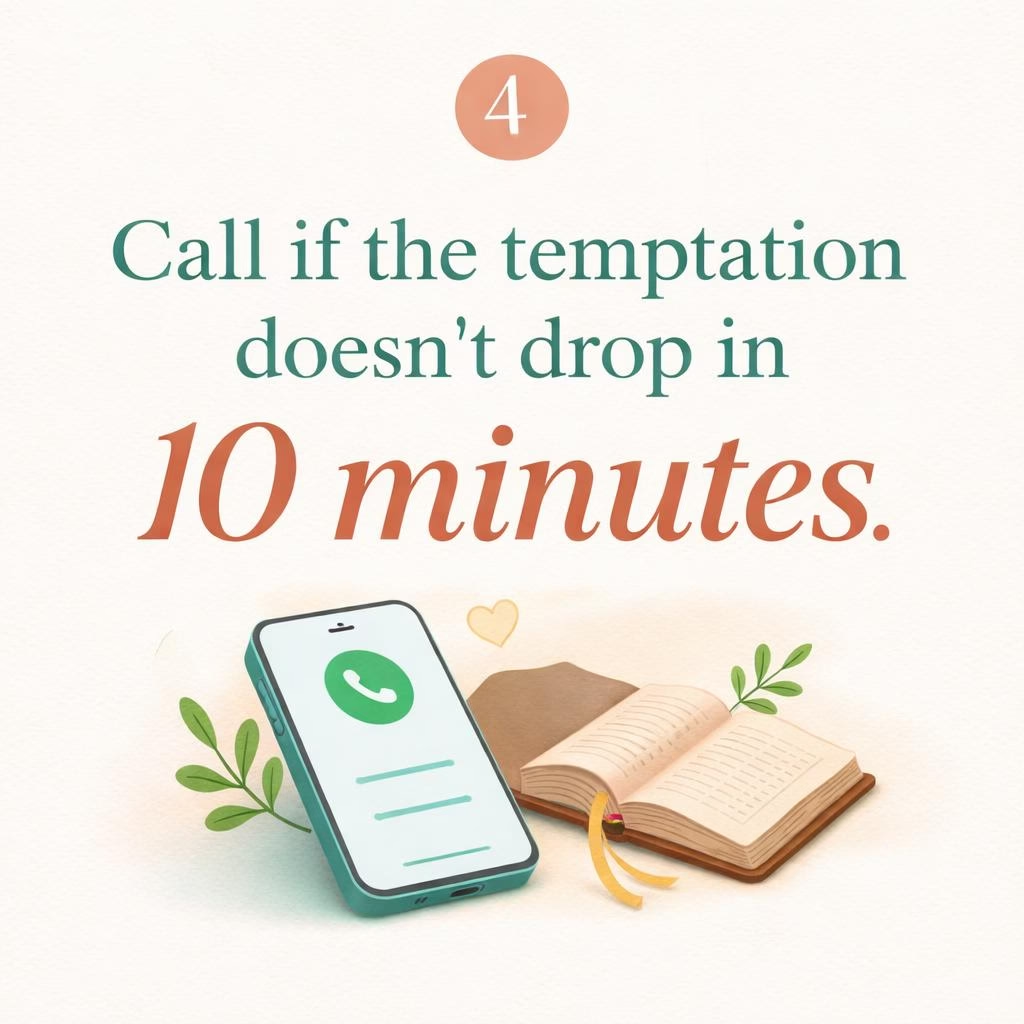
Simple wins when you’re stressed.
What to do after a fall
But what if you already fell? Okay. Breathe.
Here’s where accountability either becomes grace-filled strength or turns into humiliation. I choose grace. Every time.
You confess quickly. You don’t hide for three days. You name what happened without drama. Then you ask, “Where was the doorway?” Lack of sleep? Old resentment? Curiosity scrolling? Unforgiveness? A fight with your spouse? It’s usually not random.
And then you take one concrete step to close the door. Delete the contact. Move the device. Get prayer. Break agreement with the lie. Sometimes you also need deeper inner healing. Memory work. Forgiveness work. That’s not failure. That’s maturity.
I had a client who kept “messing up” every Sunday night. It wasn’t because they didn’t love God. It was because Sundays were when their childhood grief surfaced after church emotions faded. Once we saw it, the whole pattern shifted. Accountability helped us spot the timing. Healing helped us uproot the pain.
FAQs for How to build accountability for Christian spiritual freedom
How often should I meet with an accountability partner?
Most of the time, weekly is the sweet spot for a real conversation. Ten to thirty minutes. Then add quick texts as needed. Daily text check-ins can help early on, especially right after deliverance or a major breakthrough. But I don’t like making daily reporting permanent. It can become dependency instead of growth.
What if I don’t have anyone I trust for accountability?
You’re not stuck. Start with your church leadership or a mature same-sex believer you respect, even if you’re not close yet. Ask for a short trial season (like four weeks). Also, consider guided support through trusted biblical resources and prayer training. At GospelLight Creations, I’ve seen people gain clarity and courage just by learning what freedom maintenance looks like, then they approach community with a calmer, more grounded ask.
Leave a Reply