
Christians usually mean something pretty specific by “demonic oppression.” Not “Hollywood possession.” Not “everything bad is a demon.” More like this. You’re a believer. You love Jesus. And yet something keeps leaning on you. Pressing. Agitating. Whispering. Sometimes it feels external. Sometimes it rides your own thoughts so closely you can’t tell what’s what.
I’ve sat with people who said, “I’m saved, so why do I feel harassed?” And honestly, I get the confusion. Oppression language gives you a way to talk about spiritual pressure without claiming ownership of your soul. That matters.
Oppression means pressure and harassment, not ownership
Look, when I say “oppression,” I’m talking about targeted spiritual interference. A push. A weight. A repeated hit to the same tender spot. The Bible gives this kind of vocabulary: being “buffeted” (2 Corinthians 12:7), dealing with “fiery darts” (Ephesians 6:16), wrestling with powers and spiritual forces (Ephesians 6:12). That’s not poetic fluff. It’s lived reality for a lot of Christians.
What it tends to feel like in real life
In my experience, oppression often shows up as patterns that feel outsized compared to the moment. Like you’re reacting with a volume knob stuck on high. Or you’re pulled toward a specific sin you already hate. Or you’re exhausted after prayer, not refreshed. That last one bugs me. Because prayer should be oxygen, not a panic attack.
One person I worked with kept describing it as “a hand on my chest” whenever they tried to read Scripture. Not always. Just when they tried to grow. That detail matters. Oppression often spikes around obedience.
What oppression is not
It’s also worth clearing out the junk ideas. Oppression isn’t a way to dodge responsibility. It’s not “the devil made me do it.” And it isn’t the same thing as mental illness, trauma responses, or plain old human weakness. Sometimes it’s those things. Sometimes it’s spiritual. Sometimes it’s both tangled up like headphone cords in your pocket. You don’t fix that with one dramatic prayer and a mic drop.
If you want a broader biblical foundation for this whole area, I keep a resource that lays it out cleanly without the hype. Here’s my biblical foundations for deliverance and spiritual freedom page.

Where the idea comes from in Scripture
Thing is, Christians didn’t invent this language out of thin air. The New Testament talks about believers being influenced, tempted, accused, and hindered. Peter gets a sharp rebuke from Jesus (Matthew 16:23). Ananias and Sapphira are described as being influenced by Satan (Acts 5:3). Paul talks about Satan hindering travel plans (1 Thessalonians 2:18). That’s not possession. That’s interference.
The difference between temptation and oppression
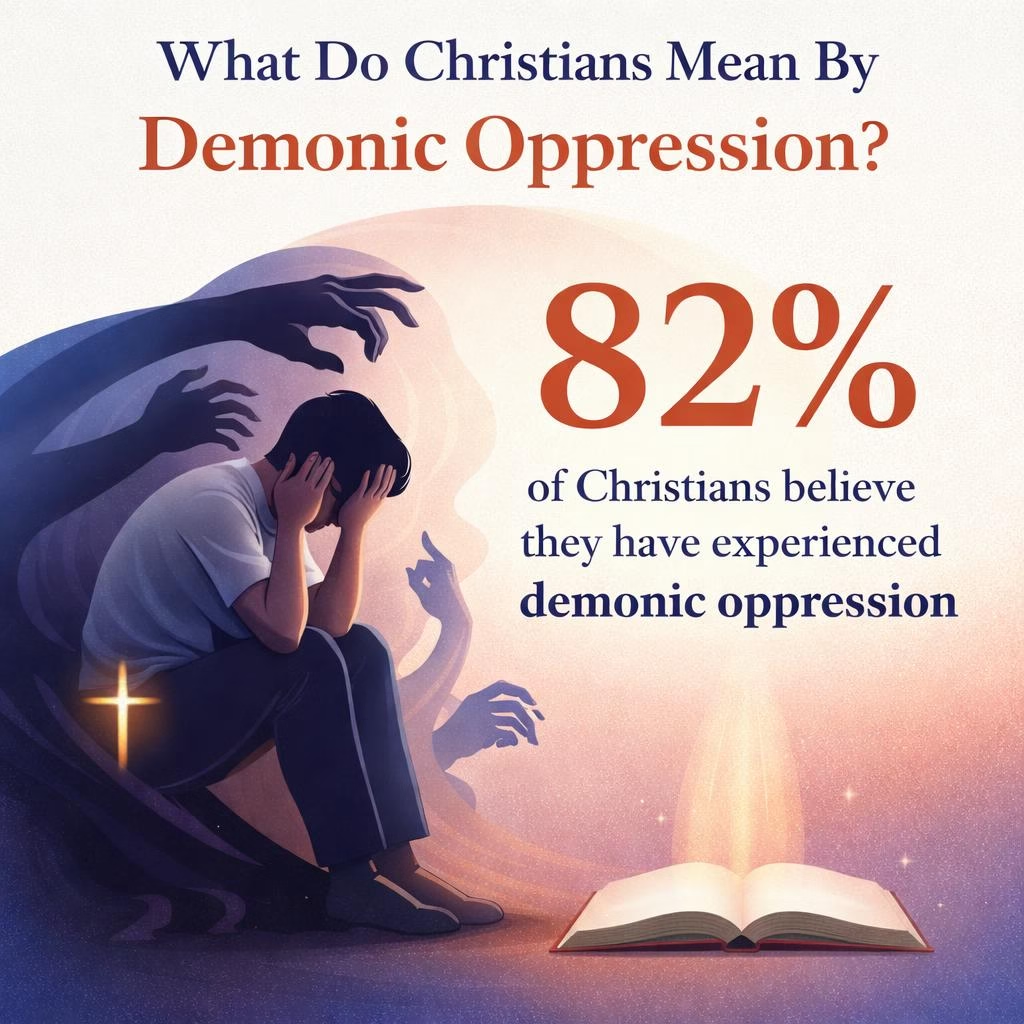
Temptation is normal Christian warfare. You’re human. You’ve got flesh patterns. You’ve got habits and wounds. Oppression tends to be more personal and persistent. It’s like temptation with an agenda. It keeps circling the same drain. And it often comes with accusation. Condemnation that feels “religious” but isn’t from the Holy Spirit.
Here’s a quick grid I use when I’m listening to someone’s story. Not as a formula. More like a flashlight.
- Repetition: the same intrusive themes keep returning.
- Escalation: it ramps up when you pursue prayer, confession, or community.
- Accusation: it sounds like “God’s done with you,” not “Come back to Me.”
- Compulsion: you feel driven, not simply tempted.
- Isolation: it pushes you to hide and cut off help.
Jesus and the early church treated spirits as real
Honestly? I used to overcorrect here. I grew up around people who blamed demons for everything. So I swung hard the other way and got skeptical. Turns out that wasn’t wisdom. It was reaction.
Jesus cast out demons. The apostles did too. And they didn’t act like it was rare. They also didn’t act like it was the only explanation for pain. That balance is the goal. Not spooky. Not naive.
Common ways oppression shows up for believers
So what does it actually look like when it’s happening? I’ll be straight with you. It’s usually not cinematic. It’s annoying. Grinding. Repetitive.
Thought pressure and accusation
This is the one I hear most. Blasphemous intrusive thoughts. Violent images. Sexual flashes. Or just relentless shame scripts. And the person says, “That’s not me. Why is that in my head?”
Sometimes it’s trauma memory plus anxiety. Sometimes it’s OCD patterns. Sometimes there’s also spiritual harassment riding on top. When I work with clients on this, first thing I check is the fruit of the thought. Does it lead to repentance and drawing near to Christ? Or does it lead to hiding, self-hatred, and spiraling? The enemy loves counterfeit conviction.
Night disturbance and spiritual intimidation
Sleep problems can be basic. Stress. Blood sugar. A baby who hates bedtime. But I’ve also seen a specific kind of night oppression: sudden dread, recurring nightmares with the same theme, a sense of presence, waking up to pray and feeling blocked. Again, not automatic proof. Just a pattern to pay attention to.
One time I had someone tell me, “It only happens when I reconcile with my dad.” That’s not random. The timing tells you where the battle line is.
Cycles of bondage that don’t respond to willpower
This is where committed Christians get discouraged. Porn. Rage. self-harm. substance dependence. Compulsive lying. They’ve tried accountability. They’ve tried fasting. They’ve tried “just stop.” And it’s like something keeps pulling them back to the same trough.
Willpower has a place. But sometimes the issue isn’t just discipline. It’s agreements. It’s unhealed wounds. It’s unforgiveness. It’s occult exposure (yes, even “harmless” stuff). It’s generational patterns. Often it’s layered.
How I discern oppression without getting weird about it
Real talk: discernment isn’t paranoia. And it isn’t a vibe check. It’s patient listening. Prayer. Scripture. Watching patterns over time.
I look for open doors, but I don’t obsess
Christians use “open doors” language because it’s practical. What gave the enemy access to harass? Common culprits: persistent unrepentant sin, trauma that never got brought into the light, unforgiveness, relational control, dabbling in occult practices, vows you made in pain (“I’ll never trust anyone again”), word curses spoken over you that you internalized.
But I’m not a fan of demon scavenger hunts. You can spend hours trying to name every spirit and still never submit the heart to Jesus. That’s a trap too.
I prioritize the Holy Spirit’s pace
Some people want deliverance to be instant. I get it. Pain makes you desperate. But the Holy Spirit tends to work like a skilled surgeon. Precise. Calm. Sometimes slow. Not because He’s weak. Because He’s kind.
At GospelLight Creations, my approach is Bible-first and fruit-focused. Teaching that grounds you. Prayer that isn’t performance. And books that help you keep walking in freedom after the intense moment passes. Because it will pass. Then Tuesday happens. And you still need tools.
What to do when you suspect demonic oppression
Now, what do you actually do with this? Not in theory. Like tonight.
Start with simple authority and simple repentance
Talk to Jesus like He’s in the room. Because He is. Confess what needs confessing. Renounce what needs renouncing. Forgive where you’ve been holding a debt (that one can feel impossible at first, I know). Then take your stand.
You don’t need fancy phrases. You can say, “In the name of Jesus, I reject this harassment. I belong to Christ.” Short. Clean. No theatrics.
Bring it into the light with safe believers
Oppression loves secrecy. It feeds on “Don’t tell anyone.” So tell someone wise. Not the loudest person you know. Someone steady. Someone who won’t make you their next prayer story.
And if you want a deeper walkthrough of prayer models, doors, and aftercare, I built a bigger resource for that. Here’s the complete biblical guide to Christian deliverance and spiritual freedom.
Build a boring routine that starves the pressure
This part isn’t glamorous. It works anyway. Daily Scripture intake. Worship that refocuses you. Sleep rhythms. Cutting off inputs that stir lust or fear. Communion with intention. And consistent fellowship. The enemy hates consistency. He loves isolated intensity.
And yeah, sometimes you still need a focused deliverance prayer session. Especially when patterns are entrenched. That’s where guided prayer and solid teaching help. That’s a big reason I point people to GospelLight Creations resources. Not because a book replaces the Spirit. Because structure helps you cooperate with Him.
FAQs for What do Christians mean by demonic oppression
Can a Christian be demon-possessed if they’re oppressed?
Most committed Christians mean “no” when they say that. A believer belongs to Christ. Sealed by the Holy Spirit (Ephesians 1:13). Possession implies ownership. Oppression implies harassment. Can a believer be harassed, influenced, and attacked? Yes. Sadly, yes. Especially when there are unaddressed wounds or ongoing compromise. But ownership is the wrong category for someone who’s in Christ.
How can I tell the difference between spiritual oppression and my own mental health struggles?
Sometimes you can’t separate them cleanly at first. That’s the honest answer. I look at patterns, triggers, and fruit. I listen to your story. I pray for discernment. And I test with Scripture. When prayer, truth, and repentance bring relief fast, that often points to spiritual pressure. When it’s slower and more layered, there may be trauma, anxiety patterns, or nervous system stuff woven in too. And you can address both without shame. You’re not “less spiritual” because you need healing in more than one lane.
Leave a Reply