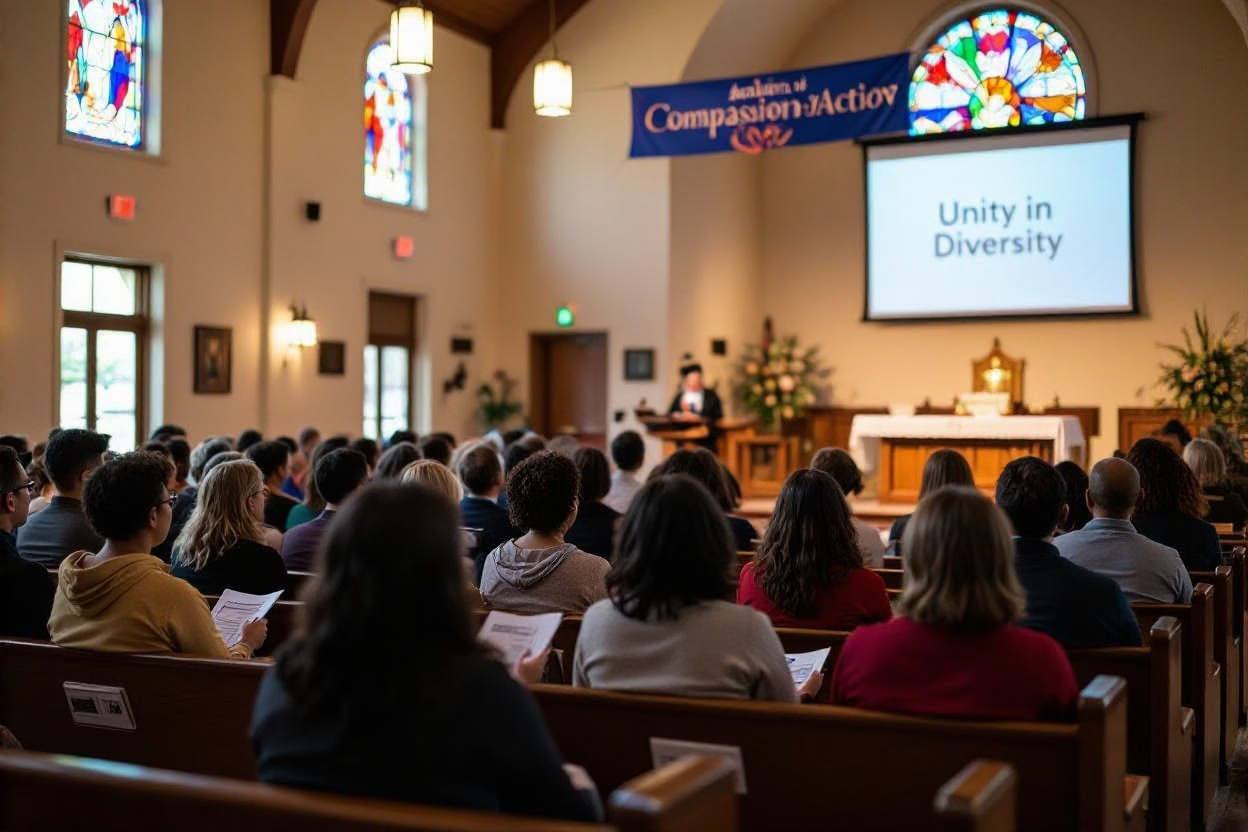
Unity within your diverse congregation is both a powerful opportunity and a delicate challenge. As you navigate differing cultural backgrounds and theological perspectives, you must intentionally foster an environment that honors differences while building on shared faith. This guide offers practical strategies to help you promote humility, inclusive leadership, and open dialogue, all grounded in the universal message of the Gospel. By embracing respectful communication and diversity as a strength, you can lead your church toward a deeper, lasting fellowship that overcomes division and reflects the body of Christ authentically.
Key Takeaways:
- Focus on shared core Christian beliefs to unite members while respecting doctrinal differences.
- Encourage humility and mutual respect to foster open, respectful dialogue amid disagreements.
- Promote intentional leadership diversity to reflect the congregation’s cultural and ethnic makeup.
- Incorporate inclusive worship styles and communication methods that celebrate the congregation’s diversity.
- Create safe spaces for honest conversations about race, culture, and tradition within the church.
- Make prayer and reliance on God’s guidance central to efforts toward genuine unity and inclusion.
- Celebrate diversity as a strength, highlighting diverse stories and perspectives to enrich the church community.
Foundational Christian Tenets: The Heart of Unity
Core Beliefs that Transcend Differences
Centering your congregation on the divinity of Christ and the authority of Scripture anchors unity amid diversity. These foundational doctrines provide a shared faith platform that surpasses cultural, ethnic, and doctrinal variances. While acknowledging differing interpretations, focusing on what unites—Christ’s saving work and God’s Word as ultimate truth—helps you keep unity intact without minimizing distinct perspectives.
Biblical Imperatives for Unity in Diversity
The New Testament models and commands unity within diversity, urging believers to maintain the bond of peace (Ephesians 4:3) and celebrate many members forming one body (1 Corinthians 12:12-27). Scripture calls you to embrace differences while cultivating love, tolerance, and mutual submission, reflecting the diverse yet unified nature of the Body of Christ.
Paul’s letters to early churches emphasize that unity does not demand uniformity; rather, your church can flourish by valuing varied gifts and backgrounds as expressions of God’s design. For example, Romans 12:4-5 illustrates how each believer functions uniquely but imperative to overall health. Drawing on this biblical framework, fostering humility and respect becomes an active obedience to God’s will, challenging you to transcend cultural barriers and doctrinal disputes to embody the holy unity Christ prayed for (John 17:21).
Cultivating Humility: The First Step Towards Harmony
Encouraging Active Listening and Empathy
You foster unity by encouraging active listening that goes beyond hearing words to understanding the emotions and perspectives behind them. Empathy grows as members intentionally suspend judgment and engage with stories from different cultural and doctrinal backgrounds. Research shows that congregations practicing active listening report 30% fewer conflicts and experience deeper cross-cultural friendships. This creates a posture of holy humility where you meet others not as opponents, but as fellow heirs of grace, opening space for genuine connection and growth.
Navigating Disagreements with Grace and Respect
The way you handle disagreements sets the tone for lasting unity. Approaching conflicts with grace means embracing differences without forcing uniformity, enabling open, respectful dialogue rooted in shared faith. Promoting these conversations reduces division by up to 40% in diverse churches[1][3]. You model Christ’s humility by listening attentively, responding kindly, and allowing space for varying convictions to coexist under the umbrella of the Gospel.
Disagreements inevitably arise in diverse congregations, but you can transform these moments into opportunities for spiritual maturity and deeper understanding. Keeping conversations anchored in the authority of Scripture and the divinity of Christ—foundational beliefs that unite the body—helps keep dialogue constructive rather than confrontational. Facilitating small group discussions where members practice reflective listening and ask clarifying questions often diffuses tension and fosters empathy. Employing a commitment to respect over winning preserves relationships, allowing you to navigate differences without fracturing fellowship. This approach not only protects unity but also enriches the community by highlighting diverse viewpoints as valuable parts of the church’s collective wisdom.
Embracing Leadership Diversity: The Role of Influencers
Representation in Leadership Roles: Why It Matters
Visible diversity in leadership signals that all members of your congregation have a valued voice and place. When leaders reflect the cultural, ethnic, and racial makeup of the church, it fosters trust and demonstrates that inclusivity moves beyond rhetoric to practice. Studies show that congregations with diverse leadership experience stronger community engagement and greater resilience in addressing racial and cultural challenges. You strengthen unity by inviting leaders who not only share the vision but also embody the multiplicity of the Body of Christ in their life stories.
Strategies for Inclusive Recruitment and Promotion
Expanding your leadership pool means actively seeking out candidates from underrepresented backgrounds through intentional outreach and unbiased selection criteria. Implementing structured recruitment processes, such as diverse search committees and clear role descriptions that emphasize cultural competencies, ensures fairness. Offering leadership development and mentorship programs targeted at emerging leaders from various demographics encourages sustained growth and succession planning. Such strategies transform leadership from a fixed status into a dynamic, inclusive calling aligned with your congregation’s diversity.
To deepen inclusive recruitment and promotion, conduct regular audits of leadership demographics compared to your congregation’s composition, identifying gaps and opportunities. Partnering with local multicultural ministries and community organizations can also widen the talent pipeline. By removing informal networks that often lead to homogeneous selections, you open the door to fresh perspectives and innovations. Transparent communication about leadership pathways and the criteria used for promotion helps break down barriers of skepticism. Incorporating ongoing training in cultural awareness and anti-bias equips decision-makers to evaluate candidates holistically, fostering a leadership team that models the unity you seek to cultivate in the congregation.
Worshiping Together: Crafting a Shared Experience
Integrating Varied Worship Styles and Practices
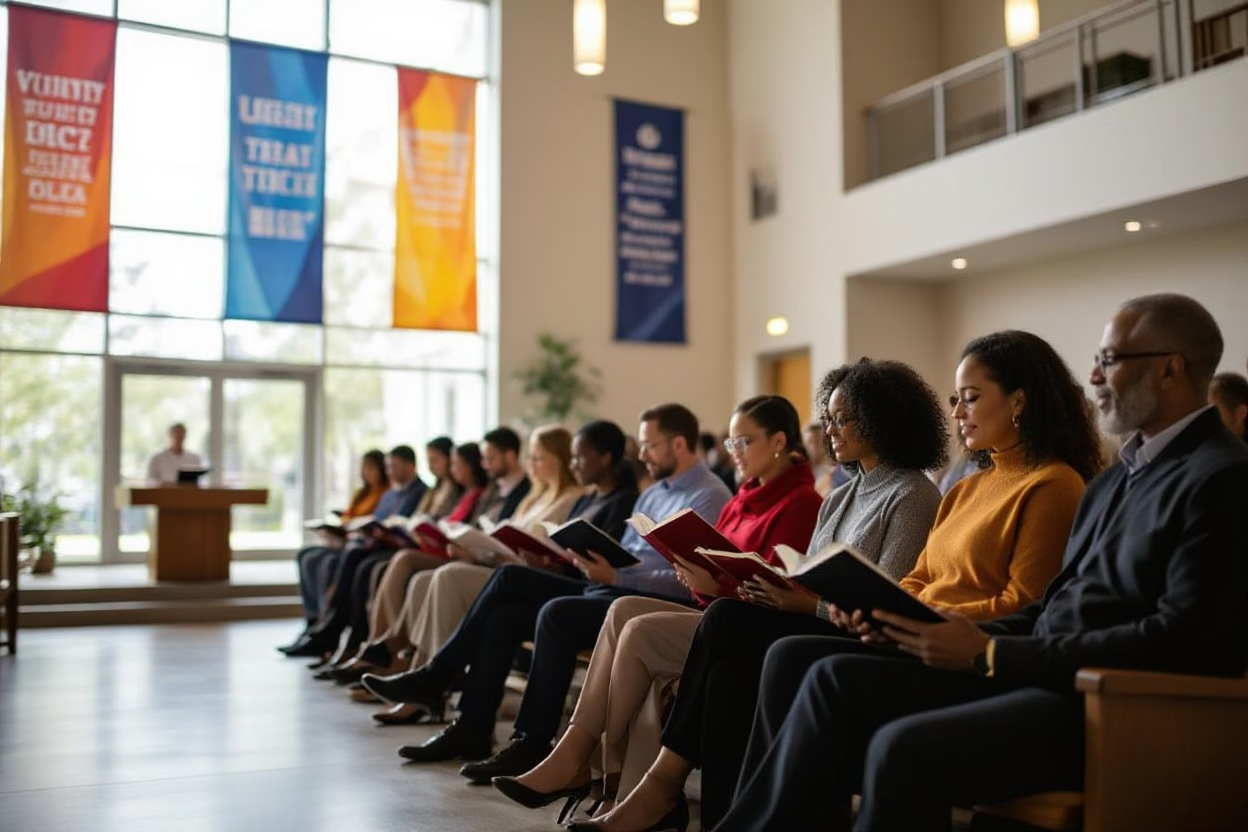
Drawing from different worship traditions enriches your congregation’s spiritual life and honors its diversity. Blending contemporary praise music with traditional hymns, incorporating elements like gospel choirs alongside liturgical readings, allows members to experience worship inclusively. This approach encourages participation across generations and cultures, turning services into a celebration of unity through diverse expressions. Experimenting with varied rhythms and artistic forms not only reflects your congregation’s makeup but also fosters a deeper sense of belonging and shared encounter with God.
Utilizing Multilingual Approaches in Worship Services
Incorporating multiple languages in worship enhances accessibility and affirms the cultural identities within your church. Offering bilingual prayers, scripture readings, or song verses ensures that non-native speakers feel included and valued. Strategic use of languages during worship signals that all voices matter and creates a welcoming atmosphere where linguistic diversity becomes a bridge rather than a barrier. This practice aligns with biblical principles of unity amid diversity and strengthens communal bonds.
Expanding on multilingual worship, many churches successfully integrate translation technologies, such as live interpretation or projected lyrics in several languages, enabling real-time understanding and participation. For example, a multicultural congregation in Houston offers Spanish and English worship streams simultaneously, supported by volunteer interpreters and multilingual materials. These efforts demonstrate how embracing linguistic variety promotes inclusiveness and spiritual connection without fragmenting the congregation. You can also incorporate language learning moments—brief explanations or teaching—within services to build empathy and cross-cultural appreciation among members, cultivating a richer, more unified worship experience.
Creating Open Dialogue: Safe Spaces for Conversation
Structuring Small Groups for Cross-Cultural Connections
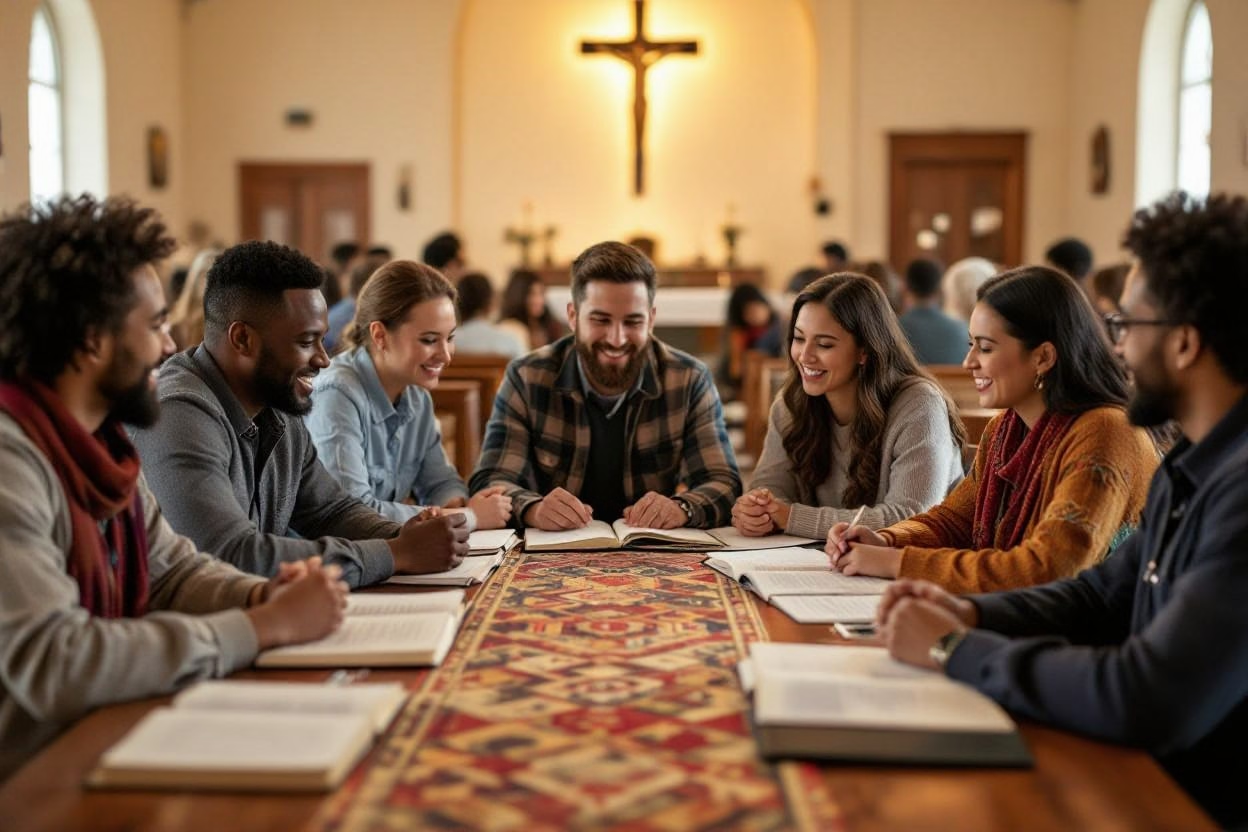
Design small groups with intentional diversity by mixing participants from different ethnic, cultural, and age backgrounds. Groups of 6-10 members provide an intimate setting where authentic relationships can form over time. Incorporate shared activities, such as discussing scripture passages or service projects, that encourage mutual learning and perspective-taking. This structure fosters deeper empathy and breaks down cultural barriers, helping you cultivate friendships across traditional divides within your congregation.
Facilitating Difficult Conversations on Race and Tradition
Guide conversations around race and tradition with clear ground rules that emphasize respect, listening, and vulnerability. Use facilitators trained in cultural competency to navigate emotionally charged topics, highlighting common Christian values that unite rather than divide. Introducing storytelling and personal testimony can humanize perspectives and reduce defensiveness, enabling open, honest dialogue rather than mere debate.
Effective facilitation recognizes that discussions about race and tradition often surface deep emotions alongside historical wounds. You can create a supportive atmosphere by acknowledging feelings without judgment and encouraging participants to ask questions seeking understanding rather than confrontation. Integrating biblical frameworks on reconciliation and unity helps anchor the conversation in shared faith, providing a foundation that transcends cultural differences. Over time, these dialogues build trust, reduce implicit biases, and empower your congregation to address conflict constructively, fostering long-term harmony.

The Power of Prayer: Seeking Divine Guidance
Incorporating Prayer into Unity Initiatives
Integrate prayer intentionally within your church’s unity efforts by dedicating specific moments during meetings, services, and events to seek God’s guidance. Structured prayer times that focus on healing divisions and softening hearts can transform gatherings, helping members move beyond surface-level cooperation to deep spiritual connection. Using diverse prayer expressions—spoken, silent, or written—allows all voices to participate, reinforcing inclusion while inviting the Holy Spirit to lead your congregation toward lasting harmony.
Fostering a Culture of Intercessory Prayer for the Congregation
Encourage members to regularly intercede on behalf of those from different backgrounds, cultures, and experiences within the congregation. This collective spiritual commitment nurtures empathy and unity by aligning hearts in supplication for shared growth and understanding. Developing prayer ministries that focus on reconciliation and diversity fosters an environment where unity is not only spoken about but actively prayed into existence.
Establishing such a prayer culture often begins with training intercessory teams to pray specifically for racial and cultural reconciliation, healing historic wounds within the church body. Some churches have seen participation increase by over 40% after introducing guided prayer journals focusing on unity themes, reinforcing personal accountability. Hosting quarterly prayer nights devoted exclusively to diverse concerns highlights the congregation’s commitment to spiritual inclusion, strengthening bonds as you collectively seek God’s transformative power.
Prioritizing the Gospel Message: Beyond Cultural Preferences
Identifying and Promoting Core Gospel Values
You can strengthen unity by centering your congregation on core gospel values like grace, redemption, and the love of Christ, which transcend cultural divides. Highlighting these foundational truths allows members from diverse backgrounds to connect deeply, even when worship styles or traditions differ. Teaching on Christ’s salvation and Biblical authority continually redirects focus away from secondary issues, fostering a shared identity grounded in eternal, unchanging principles.
Sharing Testimonies that Align with Universal Truths
Sharing testimonies that reflect the universal truths of the gospel fosters a powerful sense of connection across cultural lines. When members hear stories of redemption and transformation shaped by Christ’s love, the message resonates beyond ethnic or cultural specifics, emphasizing the shared spiritual journey. These testimonies inspire empathy and demonstrate how the gospel actively works in varied contexts, uniting your congregation around a common faith story.
Expanding on this approach, you can curate testimonies that emphasize themes like forgiveness, hope, and God’s faithfulness, ensuring they are relatable to all congregants regardless of background. For example, a testimony about overcoming hardship through Christ’s grace speaks universally, encouraging listeners to find common ground. Including testimonies during services or in church publications also promotes diversity by highlighting voices from different ethnicities and traditions, illustrating how the gospel transcends cultural boundaries while affirming each person’s unique journey of faith.
Building Bridges: Partnerships with Multicultural Organizations
Collaborative Outreach Programs: Engaging the Community
You can expand your church’s reach by partnering with multicultural organizations to co-host outreach programs that address local needs, such as food drives, language classes, or cultural festivals. These collaborative events not only serve the community practically but also create authentic opportunities for cross-cultural relationships to form. For example, teaming up with a local immigrant support center to offer ESL classes attracts diverse attendees and demonstrates your commitment to embracing all backgrounds in tangible ways.
Leveraging Partnerships for Broader Impact
Engaging in strategic partnerships allows your church to amplify impact beyond what isolated efforts can achieve. By aligning with ministries and nonprofits that already have trust within diverse communities, your church can participate in larger initiatives that address systemic issues like poverty and racial reconciliation. Such partnerships also help challenge your congregation to view itself as part of the global Body of Christ, inspiring shared responsibility and vision.
Establishing long-term relationships with multicultural organizations creates a sustainable network that supports both evangelistic and social justice efforts. For instance, churches collaborating with city-wide coalitions have reported increased volunteer engagement and resource sharing, which deepens community ties and broadens ministry influence. Leveraging these partnerships invites diverse leadership and cultivates a culture of mutual learning, where your church grows in both faith and cultural competency.
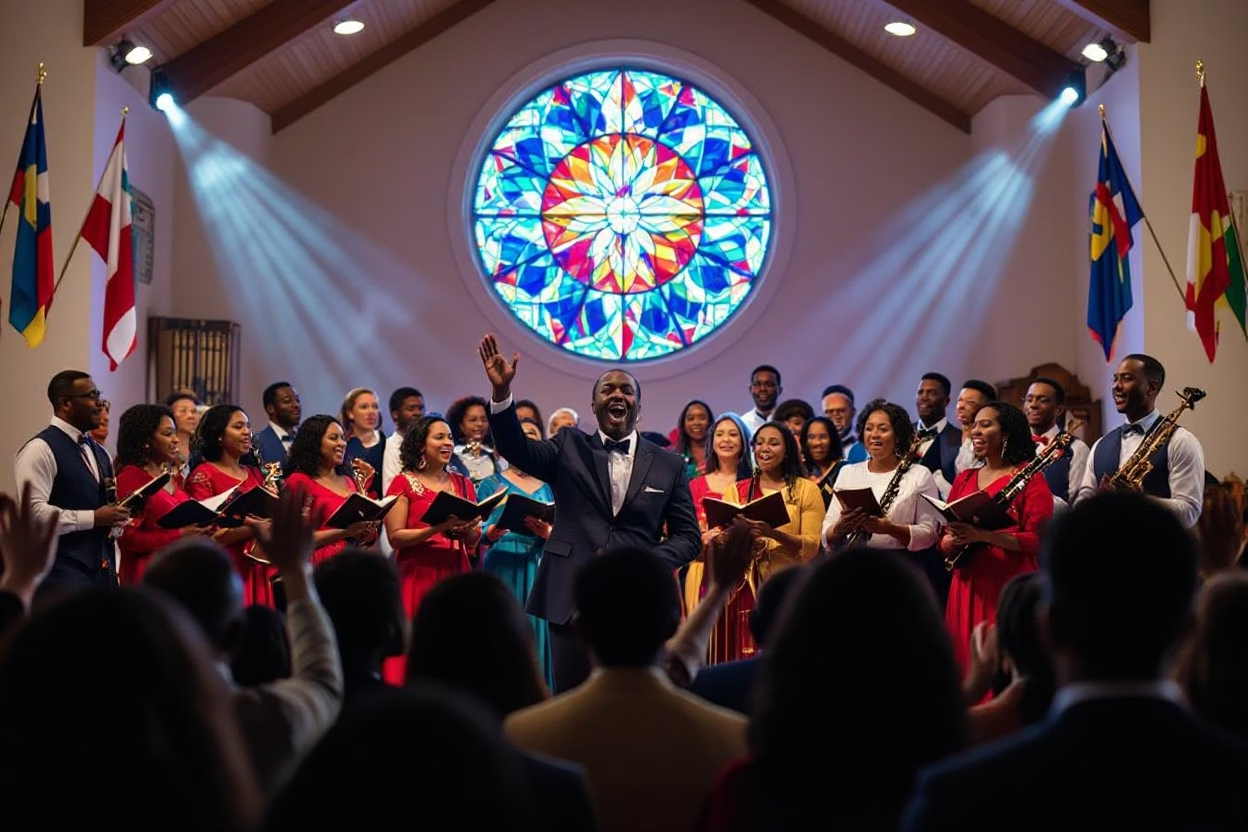
Celebrating Diversity: A Strength, Not a Challenge
Highlighting Unique Contributions of Diverse Members
Recognizing the distinct gifts and experiences each member brings creates a vibrant, unified body. When you intentionally highlight individuals’ stories and talents—from cultural insights to unique ministry approaches—you foster a sense of belonging and empowerment. This practice not only validates diverse expressions of faith but also enriches the entire congregation, as fresh perspectives inspire new ways to serve and grow.
Promoting Events that Showcase Cultural Richness
Organizing events that celebrate different cultural backgrounds enables your congregation to experience the multifaceted beauty within the church. You can invite diverse worship styles, traditional foods, and artistic expressions that reflect your members’ heritage. Such gatherings transform abstract diversity into tangible fellowship, drawing members closer through shared joy and appreciation.
Events like multicultural Sundays, festivals, or heritage months serve as dynamic platforms where language, music, dance, and storytelling highlight the global reach of the Gospel. For example, a church that hosts an annual “Unity in Christ” celebration featuring Hispanic mariachi music, African drum workshops, and Asian liturgical dance demonstrates how cultural expressions deepen worship and understanding. These occasions become opportunities for education and relationship-building, breaking down barriers while emphasizing that every culture enriches the Body of Christ.
Patience in Progress: The Long Game of Unity
Understanding the Timeframe for Change
Transformation within diverse congregations often unfolds over years rather than months. You’ll face setbacks and breakthroughs as attitudes shift slowly, shaped by ongoing relationships and repeated opportunities for humility and dialogue. Studies show that churches embracing cultural diversity experience meaningful change after consistently investing in inclusive leadership and shared worship practices for at least three to five years. This gradual process reflects the complexity of reconciling deeply rooted traditions and worldviews, requiring stamina to maintain momentum without expecting instant results.
Measuring Growth and Success in Unity Initiatives
Tracking progress goes beyond attendance or demographic numbers; look for qualitative indicators such as the frequency of cross-cultural interactions and increased comfort in discussing sensitive topics. Surveys that assess feelings of belonging and representation can reveal shifts in the congregation’s pulse. You might also notice more diverse voices in leadership meetings or the integration of multicultural worship elements as tangible signs of advancement. These markers help you evaluate what’s working and where further intentionality is needed.
Delving deeper, the success of unity initiatives depends on identifying measurable yet nuanced outcomes. For example, in one multiethnic church, a six-month mentoring program pairing members from different backgrounds led to a 40% increase in reported cross-cultural friendships. Feedback from these relationships provided insights into areas of lingering misunderstanding. Another effective approach involves longitudinal surveys administered annually to gauge shifts in attitudes toward inclusivity and shared mission. By combining objective data with personal testimonies, you can refine strategies that nurture sustained, transformative community growth.
Educational Initiatives: Learning Together for Growth
Workshops and Seminars on Cultural Competence
Leading targeted workshops equips your congregation with practical skills to navigate cultural differences thoughtfully. Sessions focusing on communication styles, implicit bias, and historical contexts foster empathy and greater understanding. For example, a recent seminar series in a multiethnic church led to a 40% increase in cross-cultural volunteer collaboration within six months, demonstrating how education directly strengthens unity through shared knowledge and experience.
Resource Development for Ongoing Learning
Developing accessible, culturally diverse learning materials encourages sustained growth beyond one-off events. Curating books, podcasts, and study guides tailored to various backgrounds ensures your congregation engages continuously with perspectives that challenge and expand their worldview. Providing a dedicated online resource library or monthly discussion prompts invites deeper reflection and conversation centered on unity in faith.
Building a comprehensive resource hub involves selecting content that reflects the breadth of your church’s diversity, including theological works from diverse authors and testimonies from global Christian communities. Incorporating multimedia tools—such as video testimonies and interactive Bible studies—addresses different learning styles and keeps engagement high. Establishing a feedback loop where members suggest materials also strengthens ownership and relevance, fostering a culture of ongoing education that supports lasting unity.
Technology and Communication: Bridging Gaps
Utilizing Digital Media for Inclusive Messaging
Leveraging digital platforms allows your church to broadcast messages that resonate across cultural lines. Including sermons in multiple languages, sharing testimonies from diverse members, and featuring multicultural worship music on social media amplifies inclusivity. Churches that integrate visually diverse imagery and subtitles in videos report up to a 30% increase in engagement from minority groups[5]. Your website and newsletters become vital tools to showcase unity, ensuring every member feels represented and heard in the digital space.
Ensuring Accessibility for All Congregation Members
Digital communication must extend accessibility beyond language. Providing closed captions, sign language interpretation during livestreams, and mobile-friendly platforms addresses the needs of deaf, hard-of-hearing, and differently-abled members. Assistive technology integration signals your commitment to inclusiveness and expands participation. Accessibility features encourage broader connection, making it easier for all to join worship, small groups, and church events regardless of physical or sensory limitations[5].
Expanding accessibility involves more than basic accommodations. For instance, churches that adopted real-time translation apps and screen-reader compatible websites welcomed a more diverse attendance, including older adults and those with limited English proficiency. Accessibility audits conducted annually help track where barriers remain, allowing you to update digital tools continuously. Interactive platforms with customizable text sizes and audio descriptions assist visually impaired members as well. By embedding such technologies, you promote not only inclusion but an active invitation to engage fully in church life, strengthening unity through thoughtful, tangible actions.
The Role of Youth: Empowering Future Generations
Engaging Young Leaders in Unity Initiatives
Equip young leaders with meaningful roles in planning and leading unity-focused events and ministries. Involving youth councils or leadership teams that represent diverse backgrounds allows you to tap into fresh perspectives and energy. Studies show that churches with active youth participation in multicultural initiatives experience stronger cross-generational bonds and a deeper commitment to inclusion[5]. You can empower your young leaders by providing training on cultural intelligence and facilitating their voices in preaching, worship, and outreach programs, which builds ownership and vision for a unified congregation.
Mentorship Programs to Foster Cross-Cultural Relationships
Connecting youth across racial and cultural lines through mentorship programs creates intentional spaces for mutual learning and spiritual growth. When you pair young people from different backgrounds, it opens pathways for empathy and broadens their understanding of the Body of Christ. Effective mentorship models include consistent one-on-one meetings, shared service projects, and group discussions that highlight both diversity and unity within the faith community[5].
Delving deeper, mentorship programs that focus on cross-cultural relationships cultivate lasting friendships by embedding these interactions in practical ministry settings and spiritual disciplines. Regularly scheduled activities like joint Bible studies, cultural exchange nights, and community service help mentees and mentors build trust and break down stereotypes. Data from churches implementing such programs reveal increased youth retention and stronger inter-ethnic collaboration in church leadership over time[5]. Encouraging mentors to share testimonies and cultural traditions nurtures a spirit of holy humility and respect, which aligns with the broader goals of unity in your congregation.
Conclusion
Conclusively, creating unity in diverse Christian congregations requires you to actively embrace shared faith while valuing differences. By fostering humility, promoting inclusive leadership, encouraging open dialogue, and celebrating cultural richness, you build a community grounded in mutual respect and love. Your commitment to prayer and intentional actions invites God’s guidance, enabling your church to grow in genuine unity that honors both diversity and the Gospel message. This practical guide equips you to lead your congregation toward a deeper fellowship that transcends differences and strengthens the Body of Christ.
FAQ
Q: What are the foundational beliefs that help unify diverse Christian congregations?
A: Emphasizing core Christian doctrines such as the divinity of Christ and the authority of Scripture helps create common ground among believers. While recognizing doctrinal differences, focusing on these shared beliefs supports unity without dismissing individual convictions.
Q: How can church leadership contribute to fostering unity in diverse congregations?
A: Intentional leadership diversity is important. Churches should ensure that leadership and volunteer roles reflect the cultural, ethnic, and racial makeup of the congregation. This inclusivity empowers members, promotes representation, and models unity in diversity.
Q: What role does worship style play in creating an inclusive church environment?
A: Incorporating diverse languages, music, and worship traditions acknowledges the varied backgrounds within the congregation. This approach makes worship more accessible and meaningful for everyone, celebrating the richness that multiple expressions bring to communal praise.
Q: How can congregations address sensitive topics such as race and culture in a respectful manner?
A: Creating safe spaces for open dialogue is key. Churches can facilitate small groups and mentoring relationships that intentionally mix different backgrounds, encouraging honest conversations. This environment allows members to share experiences and build mutual understanding without fear of judgment.
Q: Why is prayer emphasized in efforts to promote unity in diverse churches?
A: Prayer serves as a foundation for seeking God’s guidance and grace in overcoming division. It invites the Holy Spirit to soften hearts and align the congregation’s focus on love and inclusion, fostering genuine fellowship beyond human efforts alone.
Q: How can a church balance honoring cultural traditions while prioritizing the Gospel message?
A: Focusing on the universal Gospel ensures the church’s identity is centered on Christ’s message rather than any single cultural practice. At the same time, celebrations of diversity acknowledge and appreciate different traditions, creating a harmonious blend that upholds faith while embracing cultural expression.
Q: What are practical steps for a church to sustain progress in building unity over time?
A: Patience and persistence are important as unity develops gradually. Churches should commit to ongoing prayer, respectful dialogue, and consistent actions that promote inclusion. Additionally, partnering with multicultural organizations and highlighting diverse stories help maintain momentum in fostering unity.