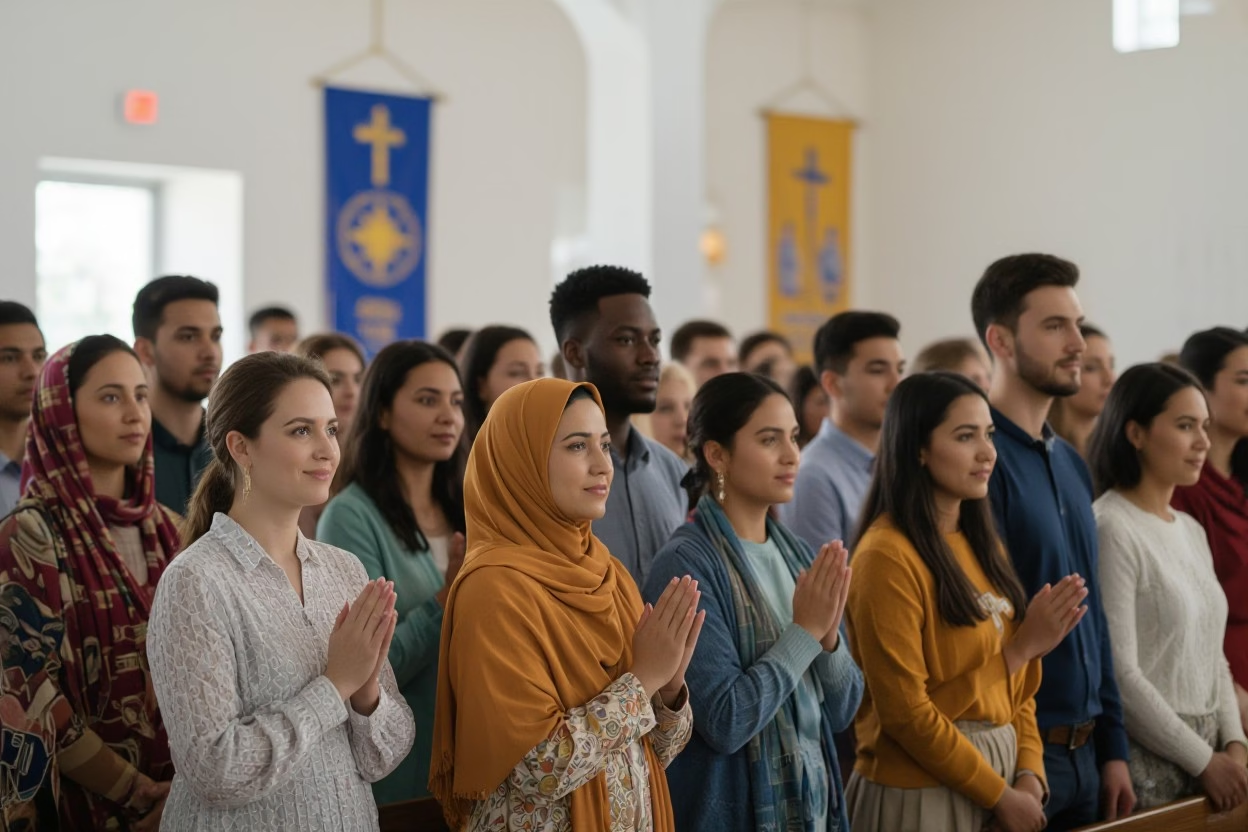
You might not realize how profoundly global migration reshapes Christian communities worldwide. As people move across borders, they bring diverse cultural practices and faith expressions, which challenge traditional structures yet also enrich spiritual life. They face risks like social fragmentation and discrimination but also discover opportunities for growth, dialogue, and renewed unity. Understanding these dynamics helps leaders and members respond thoughtfully to both the threats and blessings migration presents in sustaining their faith and community cohesion.
Key Takeaways:
- Global migration is reshaping Christian communities by increasing cultural and linguistic diversity within congregations.
- Migrants often bring new religious expressions and traditions that can enrich existing Christian practices and foster intercultural dialogue.
- The movement of people can lead to challenges such as integration difficulties, social isolation, and tensions between different cultural groups in churches.
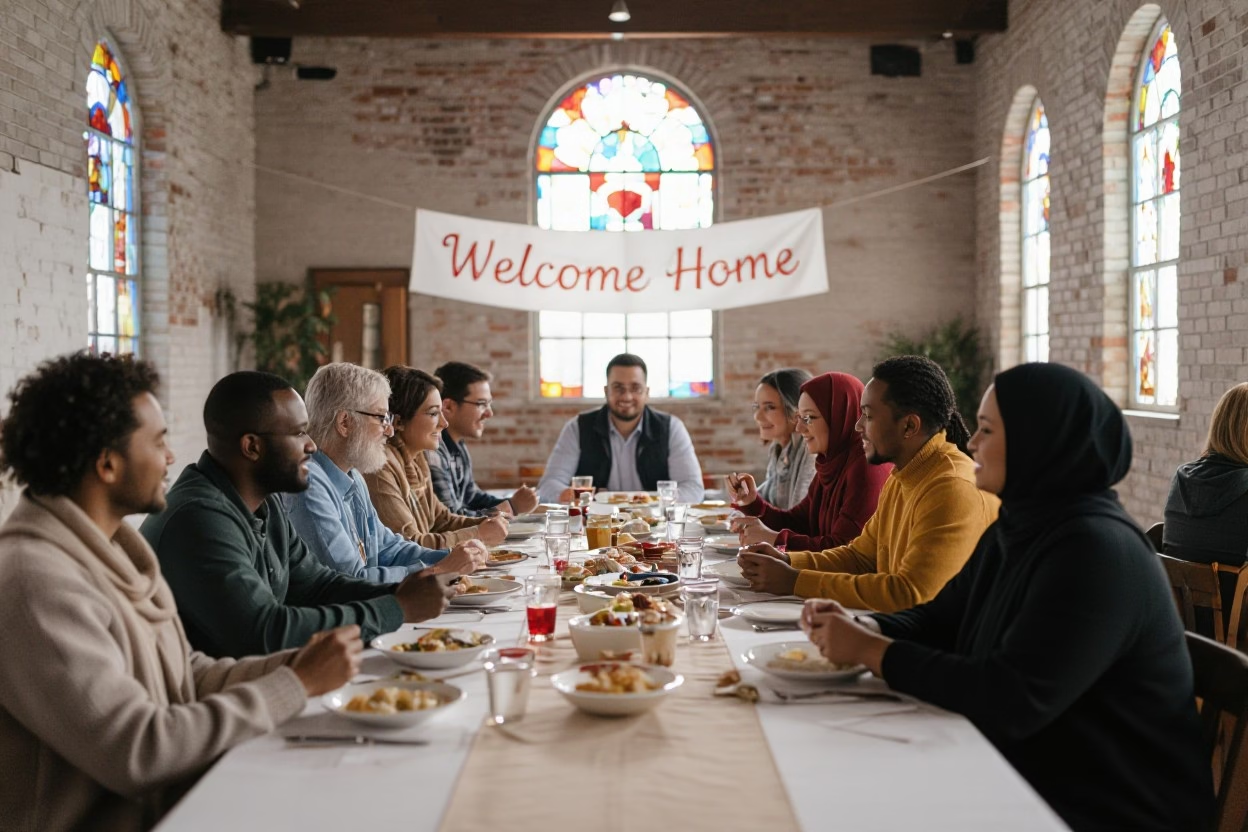
- Christian communities have an opportunity to serve as welcoming spaces for migrants, offering spiritual support and practical assistance.
- Churches can play a significant role in advocating for migrants’ rights and promoting social justice in their host countries.
- New migrant populations stimulate the development of innovative ministry models that address the evolving needs of diverse congregations.
- Collaboration among churches across borders is becoming more important to address global migration’s impact comprehensively.
The Global Migration Landscape: Trends and Statistics
Current Migration Patterns and Data
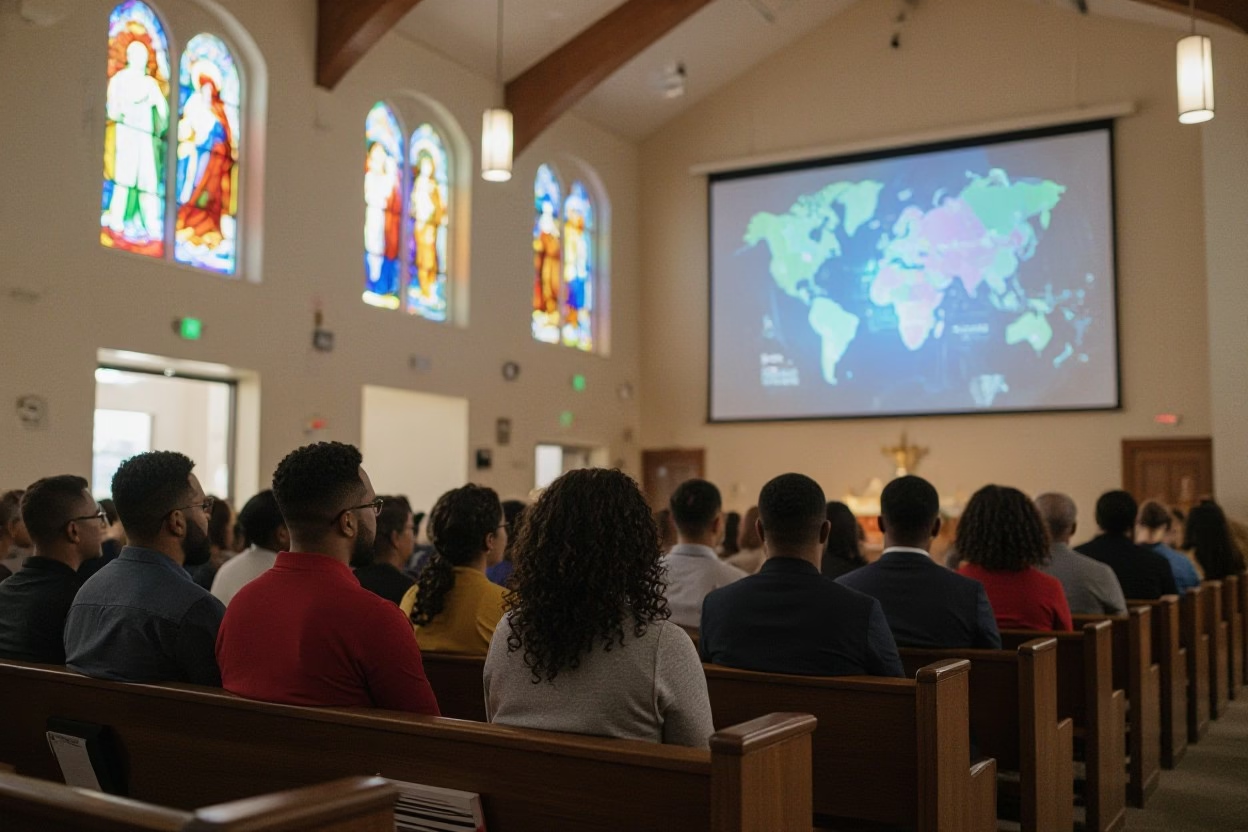
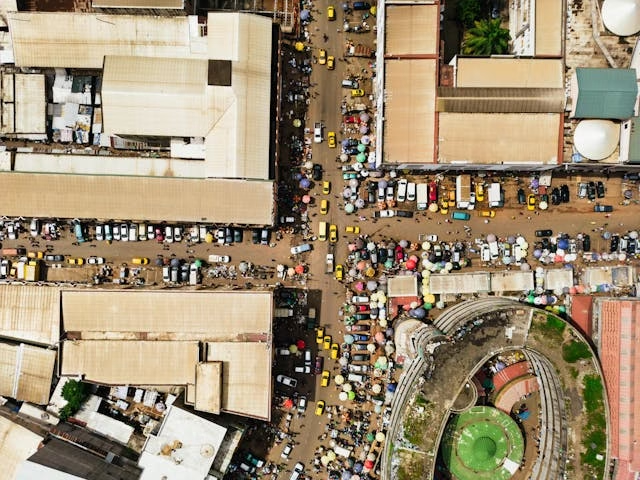
More than 280 million people globally are migrants, representing roughly 3.6% of the world’s population—a figure that has shown steady growth over the past decades. Recent data indicates that migration flows are increasingly complex, with significant urban-to-urban migration in addition to traditional cross-border movements. Regions such as North America and Europe continue to attract large migrant populations seeking economic opportunities and safety, while parts of Africa and Asia experience substantial internal displacement, often driven by economic disparity and social instability.
Christian communities in both sending and receiving countries experience the impacts of these shifts. For instance, Latin America’s large-scale emigration has led to dwindling congregations locally, while resulting in emergent diaspora communities abroad. European countries such as Germany and Italy have seen notable increases in Christian migrants from the Middle East and Africa, contributing fresh dynamics to ecclesial life but also presenting integration challenges. Statistical reports from the International Organization for Migration reveal that Christian migrants often face unique issues regarding religious freedom and the preservation of cultural identity during relocation.
The Role of Conflict and Climate Change
Conflict remains a primary driver in displacement, especially in regions where Christian minorities reside alongside other groups. Syria, Iraq, and parts of sub-Saharan Africa have witnessed mass exoduses of Christian populations due to sectarian violence and persecution. UNHCR figures show that millions of these migrants have sought asylum in neighboring countries or further abroad, reshaping Christian demographic patterns globally. Violence not only displaces individuals but fractures established community networks, challenging the sustainability of Christian institutions in affected areas.
Beyond conflict, climate change increasingly acts as a catalyst for migration. Rising sea levels, desertification, and extreme weather events disproportionately affect vulnerable communities, often forcing relocations within fragile geographical zones. For example, Pacific Island nations face existential threats from inundation, compelling Christian islanders to migrate to countries like New Zealand and Australia. These environmental pressures intertwine with social and economic factors, creating multifaceted migration motives that Christian organizations must understand in deployment and ministry efforts.
Additional analysis reveals how overlapping crises magnify displacement risks. In regions like the Sahel, erratic rainfall and resource scarcity exacerbate communal tensions and armed conflicts, propelling further migration. Such compounded challenges require nuanced responses from Christian aid agencies, which must navigate humanitarian assistance alongside faith-based outreach amid volatile environments.
The Transformation of Christian Demographics in the Global Context
Migration Trends and Statistics
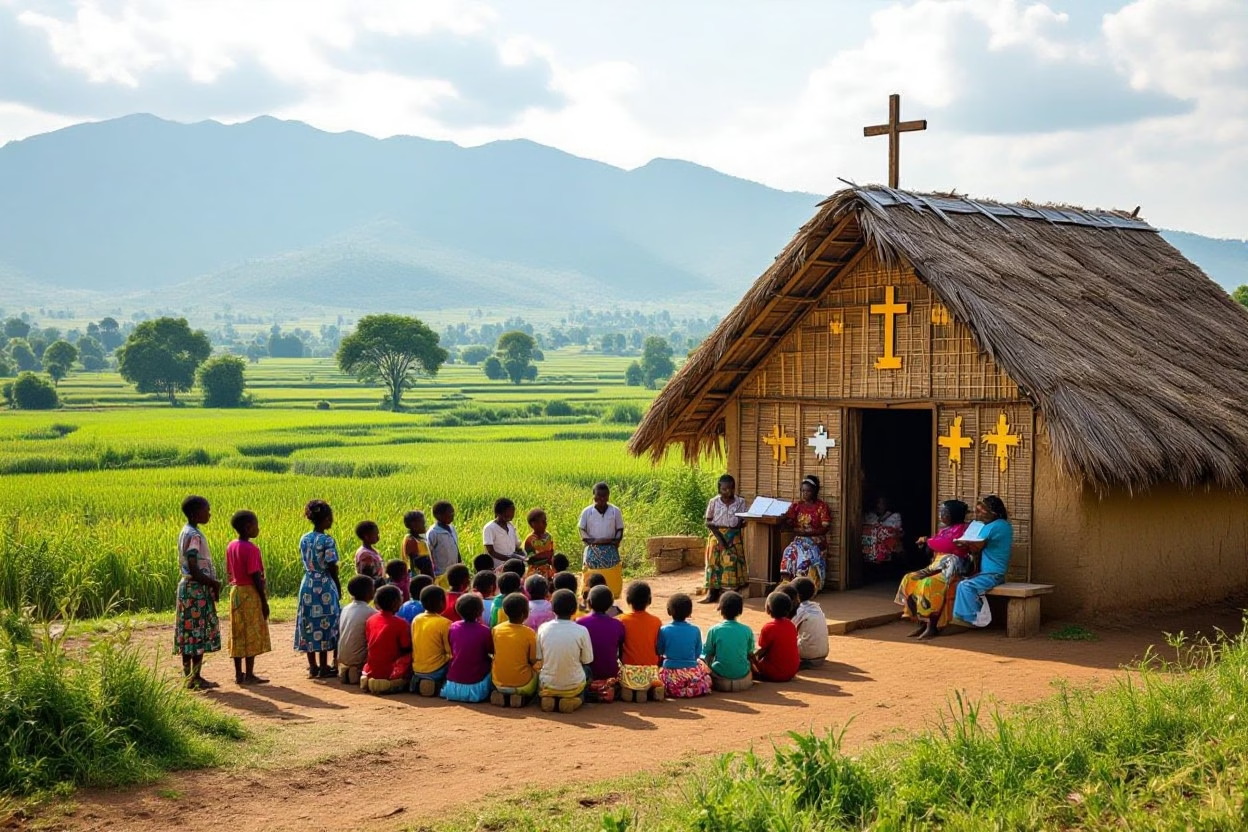
Recent decades have witnessed significant shifts in the geographic distribution of Christian populations, largely propelled by global migration flows. Between 2010 and 2020, over 50 million Christians migrated from regions such as sub-Saharan Africa and Latin America to Europe, North America, and parts of Asia. These migrations have resulted in the rapid expansion of Christian minorities in typically non-Christian societies. For example, the number of Latin American Christians in the United States grew by approximately 25% during this period, profoundly influencing local church dynamics and outreach strategies.
Additionally, the emergence of migration corridors within and between the Global South and North has altered the composition of Christian communities worldwide. The World Migration Report of 2022 highlights that migrants from predominantly Christian countries now represent nearly 30% of the total international migrant population. This phenomenon has not only increased attendance in established Christian denominations abroad but also facilitated the rise of Pentecostal and Evangelical movements, which appeal strongly to migrant populations seeking communal and spiritual support in unfamiliar environments.
Shifts in Congregational Composition
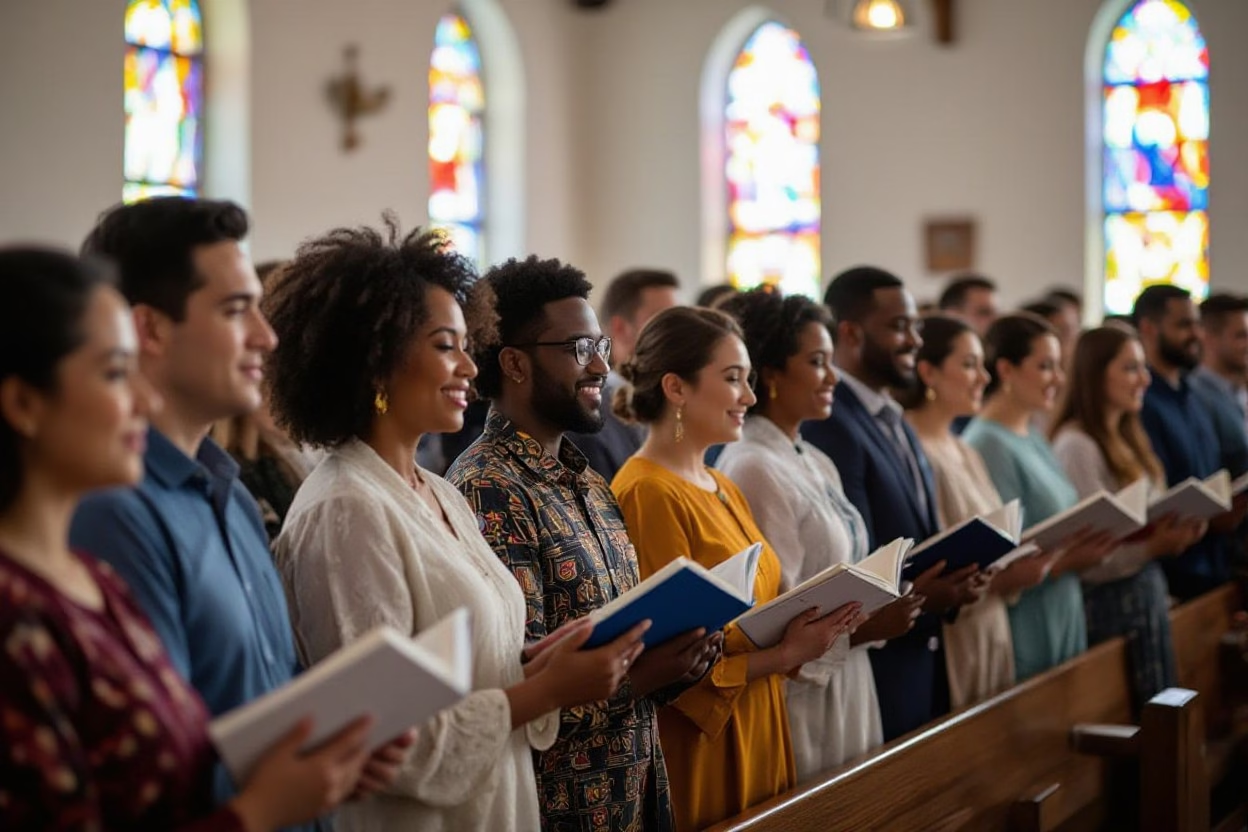
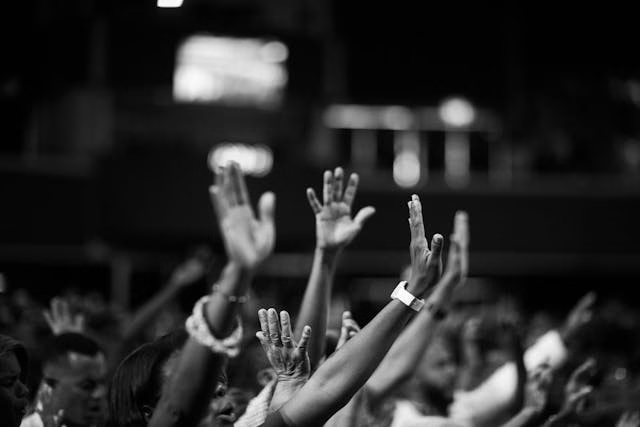
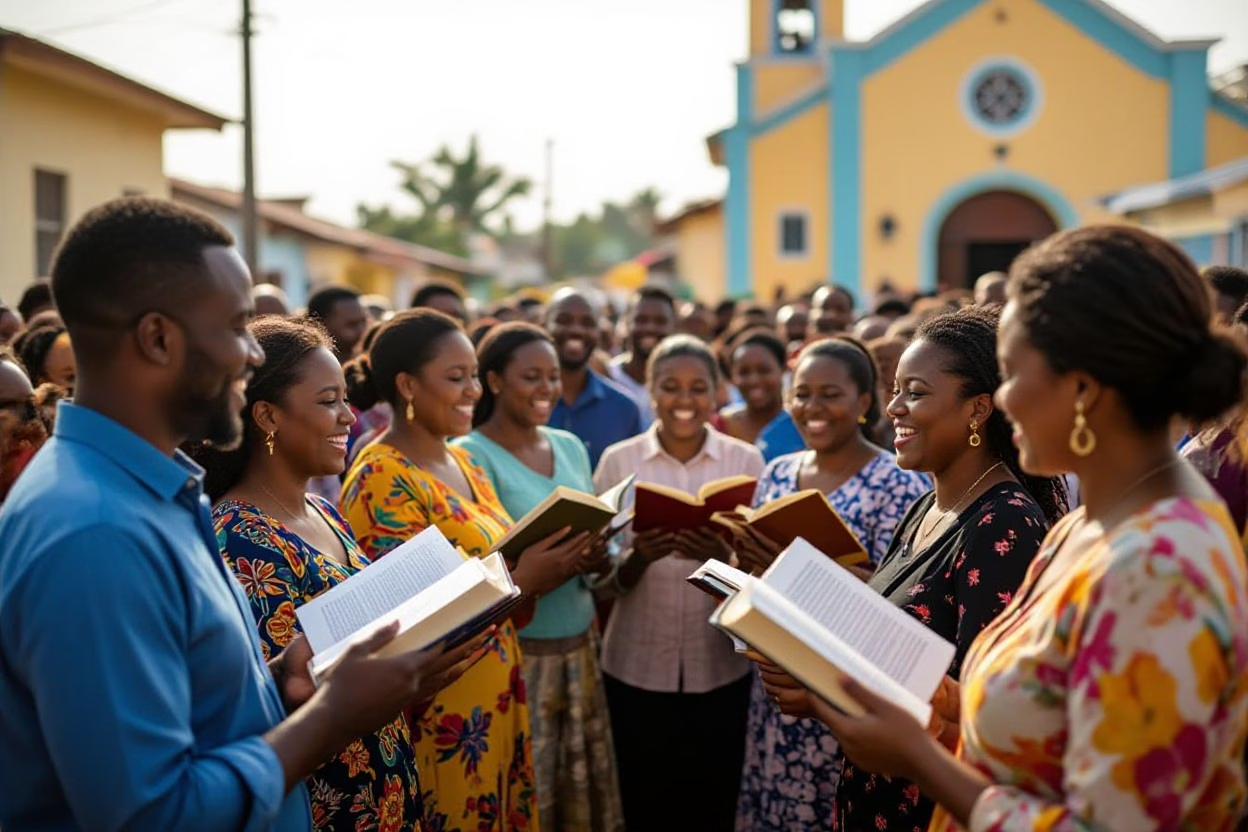
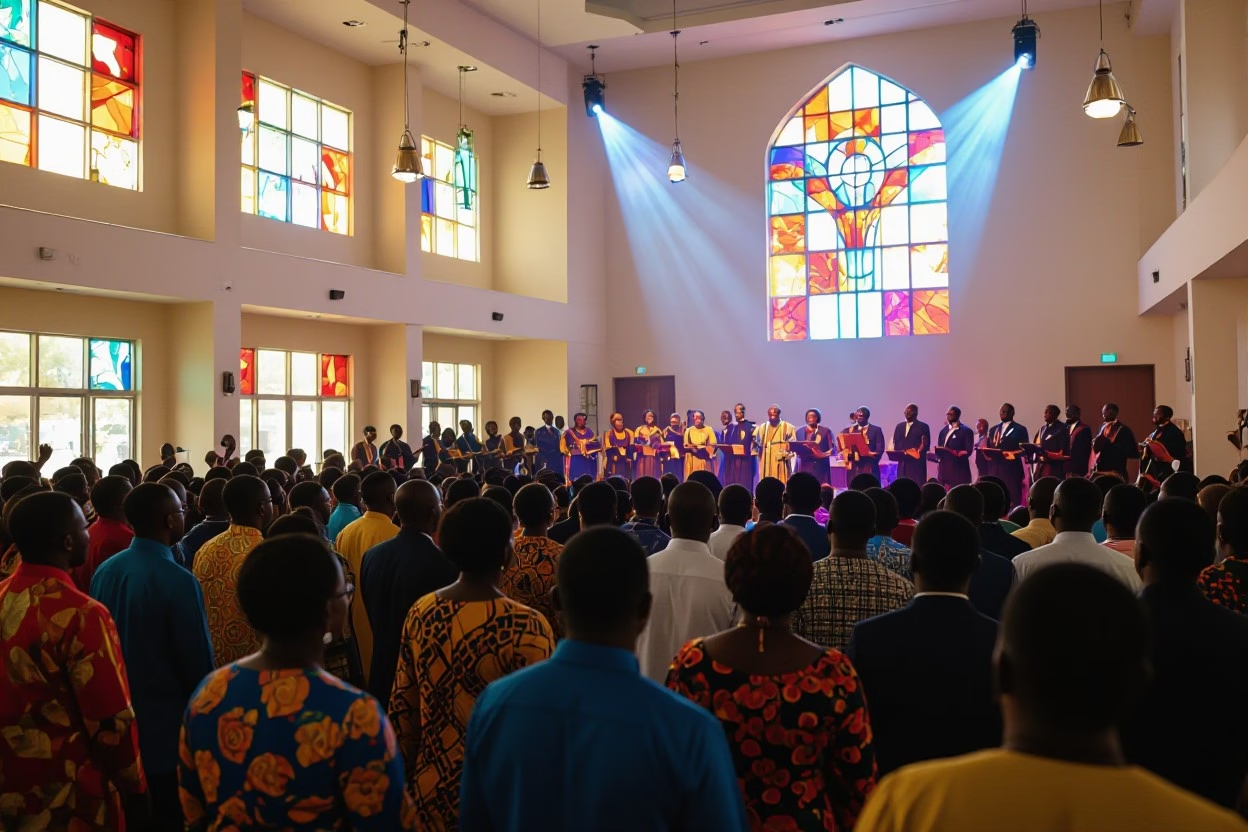
The inflow of Christian migrants has led to noticeable diversification within congregations, particularly in urban centers. Churches are encountering a broader spectrum of cultural backgrounds, languages, and worship styles coexisting under one roof. For instance, a Pentecostal church in London has integrated services in English, Spanish, and various African languages to accommodate its multiethnic membership. This blending often challenges traditional liturgical norms but also fosters enriched worship experiences and deeper intercultural understanding.
Such demographic shifts require congregations to address new pastoral and administrative challenges. Church leaders increasingly find themselves adapting outreach programs, leadership structures, and community services to support migrants’ unique circumstances. Furthermore, the presence of first- and second-generation migrants within congregations has sparked greater emphasis on youth engagement and intergenerational dialogue, creating fresh opportunities for faith transmission and social cohesion.
The transformation in congregational makeup also significantly influences theological emphases and community priorities. Migrant Christians often bring distinctive spiritual expressions and social concerns, such as advocacy for migrant rights and services addressing displacement trauma. This integration fosters dynamic exchanges between indigenous and migrant believers, resulting in evolving forms of Christian witness that resonate with broader societal realities shaped by migration.
The Diverse Faces of Christian Communities Worldwide
Demographic Shifts: Who Migrates?
Migration within and across continents has altered the demographic composition of Christian communities in notable ways. Young adults, particularly those aged 18 to 35, constitute a significant proportion of Christian migrants, driven both by economic opportunities and the search for political stability. For example, a 2022 Pew Research study revealed that over 60% of African Christian migrants moving to Europe fell within this age bracket, imbuing host nations with a youthful vibrancy uncommon to their generally aging native populations. The gender balance also varies significantly; while male migrants often dominate labor-driven movements, female Christians increasingly migrate solo or as heads of household, impacting family structures and community dynamics abroad.
Religious affiliation among migrants further complicates migration patterns. Latin America has seen sizable movements of Pentecostal and Evangelical Christians into North American urban centers, reshaping local worship styles and church demographics. Conversely, migration from the Middle East tends to involve a higher proportion of Eastern Orthodox and Catholic Christians escaping persecution, such as Syriac Orthodox refugees integrating into European diasporas. This interplay between demographic factors and religious identity influences the types of Christian communities formed and their integration pathways within global contexts.
Cultural and Theological Diversity within Christian Faiths
The variety of Christian traditions across migrant populations introduces a multifaceted layer of cultural and theological diversity into host countries. Migrants bring with them liturgical practices, worship styles, and doctrinal emphases distinct from dominant local churches. For example, Ethiopian Orthodox Christians in diaspora maintain ancient liturgical languages like Ge’ez, preserving a unique spiritual heritage that differs markedly from Latin-rite Catholicism prevalent in Western migration destinations. This diversity introduces challenges related to ecclesiastical recognition and cooperation, with denominational boundaries sometimes hardening around cultural identities.
Moreover, theological perspectives carried by migrant Christians often influence local debates on social and ethical issues. Pentecostal and charismatic movements, widespread among Latin American migrants, prioritize spiritual gifts and expressive worship, contrasting with the more formal traditions of mainline Protestant or Orthodox churches. These differences affect how migrant communities engage with social services, political activism, and interfaith dialogue. Consequently, Christian institutions in receiving countries frequently need to navigate complex intra-faith relations arising from diverse theological frameworks.
Additional layers of nuance emerge when considering language use, ritual practices, and theological education levels among migrants. Churches serving immigrant populations often become cultural centers, not merely places of worship, sustaining ethnic languages and customs under religious auspices. In some instances, theological training in home countries varies widely, which influences leadership styles and community organization within diaspora churches. The coexistence of these varied cultural and theological traditions within the broader Christian faith highlights both the enrichment and complexity of contemporary migrant Christian communities.
The Intersection of Faith and Cultural Exchange
Enriched Worship Experiences
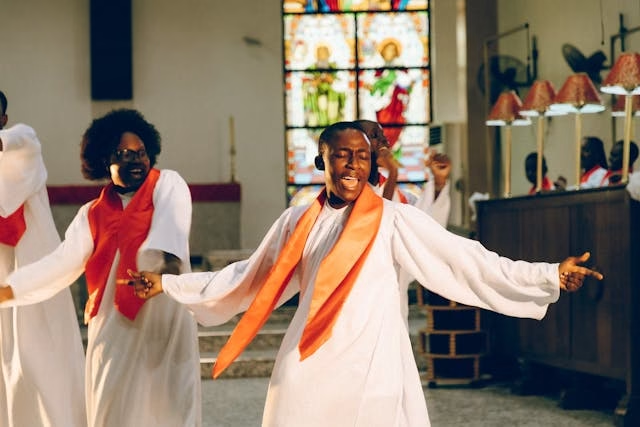
Global migration introduces a rich tapestry of cultural traditions into Christian worship, often leading to hybrid liturgical expressions that resonate deeply with diverse congregants. For example, in cities like Toronto and London, churches now blend gospel music with indigenous instruments or incorporate multilingual scripture readings that reflect their communities’ heritage. This blending not only enhances the emotional depth of worship but also facilitates a greater sense of belonging among immigrants, who find familiar cultural elements within the Christian framework.
Moreover, such cultural fusion challenges longstanding liturgical norms and invites creativity in worship practices. Churches that embrace these changes report increased attendance and engagement, indicating that faith communities benefit from the infusion of diverse cultural expressions. The incorporation of traditional dances, foods, or fasting practices tied to migrants’ native lands further broadens the spiritual experience, providing opportunities for congregations to explore Christianity through new cultural lenses.
Cross-Cultural Dialogue and Faith Sharing
The interaction between migrants and established Christian communities fosters dynamic cross-cultural dialogue, leading to deeper understanding and mutual enrichment. Migrants often bring fresh theological perspectives shaped by their lived experiences, including African or Latin American liberation theology, which prompts established congregations to reevaluate their approaches to social justice and mission. These exchanges create spaces where faith transcends cultural boundaries, allowing for a more inclusive interpretation of Christian teachings.
Faith sharing extends beyond sermon content or worship styles, manifesting in community programs, intergenerational mentorship, and collaborative social outreach that reflect diverse cultural priorities. For instance, in Berlin, churches have partnered with migration organizations to provide language classes and legal assistance, demonstrating faith in action while respecting cultural nuances. This practical collaboration strengthens bonds between different ethnic groups and enhances the church’s role as a mediator in multicultural societies.
Further analysis reveals that such dialogue also promotes resilience within Christian communities facing the challenges of integration and identity preservation. As congregations negotiate differences in ritual, language, and worldview, they build adaptive capacities that prepare them for ongoing demographic shifts. The resulting hybrid faith communities often combine compassionate social engagement with vibrant cultural expression, positioning churches as key actors in both spiritual and societal transformation.
Unpacking the Challenges: Identity and Belonging
Navigating Cultural Friction in Host Countries
Christian migrants often encounter cultural friction that signifies more than simple adjustment issues; it challenges the core sense of identity and community cohesion. Host countries with distinct religious majorities or secular orientations can present environments where Christian migrants face misunderstandings or stereotypes. For example, Syrian Christian refugees in predominantly Muslim Jordan frequently report tension arising from different social customs and expectations, which complicates integration and sometimes prompts them to form insulated church communities to preserve their cultural and religious heritage.
Moreover, the younger generation of migrant Christians, growing up straddling two cultures, often struggles to reconcile traditional faith practices with the societal norms of their host countries. This dynamic can lead to generational gaps within migrant families and church groups, as elders might emphasize adherence to familiar practices, while youth seek ways to express their faith that resonate with their bicultural realities. Churches that fail to address these tensions risk losing engagement and unity among diverse congregants.
The Struggle for Religious Freedom and Acceptance
In many regions, Christian migrants face significant challenges regarding religious freedom, impacting their ability to worship openly and participate fully in civic life. Nations with restrictive laws or social hostilities toward minority religions pose barriers that can lead to discrimination, harassment, or exclusion. In parts of Southeast Asia, for instance, the influx of Christian migrants has been met with suspicion or outright hostility by local populations and authorities, narrowing the public space for Christian worship and religious expression.
Discriminatory policies also extend to employment and housing opportunities, indirectly affecting Christian migrants’ ability to build stable communities. In some European countries, despite legal protections, xenophobic attitudes fueled by nationalism translate into social rejection of migrant faith communities, reinforcing marginalization and complicating efforts to foster mutual understanding and acceptance. Such environments require resilient community leadership and advocacy to negotiate rights while also building bridges with broader society.
Understanding the complex interplay between legal frameworks and social attitudes reveals the multilayered nature of the religious freedom challenges faced by Christian migrants. Even in countries with formal religious protections, informal biases and local enforcement practices can sharply restrict the freedoms that migrants expect. Continued research tracking incidents of religious discrimination alongside migration flows provides critical insight into how Christian communities can strategically navigate and influence these regional realities to safeguard their rights and promote inclusive acceptance.
Challenges to Traditional Church Structures
Language Barriers and Communication Issues
Language differences pose a significant challenge as churches increasingly serve multicultural congregations. In many cases, worship leaders and church staff struggle to communicate effectively with new members who speak limited or no English, which can hinder participation and spiritual growth. Studies have shown that nearly 30% of migrant congregants report feeling isolated during services due to language gaps, which impacts their sense of belonging and engagement within the community. This barrier extends beyond liturgy to pastoral care, outreach, and educational programs, making it difficult to address the holistic needs of diverse groups.
Some churches have responded by incorporating multilingual services and hiring bilingual staff to bridge communication divides. However, balancing the needs of longtime members with those of new migrants remains complex. In regions like Western Europe and North America, some parishes offer simultaneous translation, while others rotate services in different languages to accommodate varying groups. Despite these adaptations, navigating linguistic diversity requires continuous effort and resources to ensure all worshippers can connect meaningfully.
Resistance to Change within Established Communities
Longstanding congregations often resist structural adjustments needed to embrace cultural diversity fully, fearing loss of identity or dilution of traditional practices. Established church members may view the introduction of new languages, worship styles, or leadership as disruptive and perceive migrants as outsiders altering the community’s fabric. Historical examples from migrant-heavy dioceses reveal tensions that sometimes lead to segregated services or informal divisions within one parish, undermining unity. Reticence to alter familiar routines can stall initiatives designed to nurture inclusion and equitable participation.
Some church leaders observe that resistance frequently stems from concerns over institutional stability and preservation of doctrinal purity. The challenge lies in addressing these fears empathetically while fostering openness to change. Educational workshops and dialogue sessions have proven effective in easing mistrust and encouraging collaboration across cultural lines. Yet, progress is uneven, as demographic shifts continually reshape congregations’ social dynamics, demanding ongoing attention to these internal challenges.
Beyond internal reluctance, resistance is often reinforced by generational divides, with older members more attached to traditional modes of worship and governance. This divergence can complicate leadership transitions and decision-making processes as churches seek to remain relevant while honoring their heritage. Initiatives that include voices from multiple age groups and cultural backgrounds in planning have shown greater success in overcoming resistance and cultivating a shared vision for the church’s future.

Opportunities for Growth: Enriching Faith Practices
Cross-Pollination of Worship Styles and Traditions
Migration has introduced a dynamic blend of worship styles that invigorate congregational life, fostering a unique fusion of expressions within Christian communities. For instance, African Pentecostal rhythms have seamlessly integrated with European liturgical traditions in many urban parishes, creating vibrant, multisensory worship experiences. These combinations not only enrich ritualistic diversity but also deepen congregants’ engagement by appealing to a broader array of spiritual sensibilities.
Many churches report increased attendance and spiritual renewal as they incorporate elements such as gospel choirs alongside traditional hymnody or utilize indigenous languages and instruments during services. This cross-pollination also encourages theological reflection on the varied ways God’s presence manifests across cultures, prompting leaders to develop more inclusive liturgies. Such blending strengthens communal bonds by honoring the heritage of all members and fostering a shared spiritual identity.
Strengthening Interfaith Dialogues
The presence of migrant populations often places Christian communities in closer contact with diverse religious traditions, creating openings for meaningful interfaith dialogue. Cities like London and Toronto exemplify environments where churches engage with Muslim, Hindu, and Buddhist neighbors through joint community projects and educational forums. These interactions build mutual respect and reduce prejudice, while highlighting common ethical principles and social concerns.
Programs facilitating conversations about faith, peacebuilding, and social justice enable Christians to articulate their beliefs alongside others, promoting empathy and collaborative problem-solving. Such dialogues encourage churches to reconsider exclusivist interpretations of doctrine and embrace a pluralistic understanding of coexistence. Furthermore, these encounters help prepare congregants to navigate increasingly multicultural societies with grace and wisdom.
Research from the Pew Forum on Religion & Public Life indicates that places with robust interfaith initiatives report lower incidents of religiously motivated violence and higher levels of community satisfaction. By cultivating spaces where diverse faith narratives coexist respectfully, Christian communities can expand their impact beyond purely spiritual domains and contribute meaningfully to social cohesion and mutual understanding.

Revitalizing Christian Missions in Diverse Environments
New Opportunities for Outreach and Evangelism
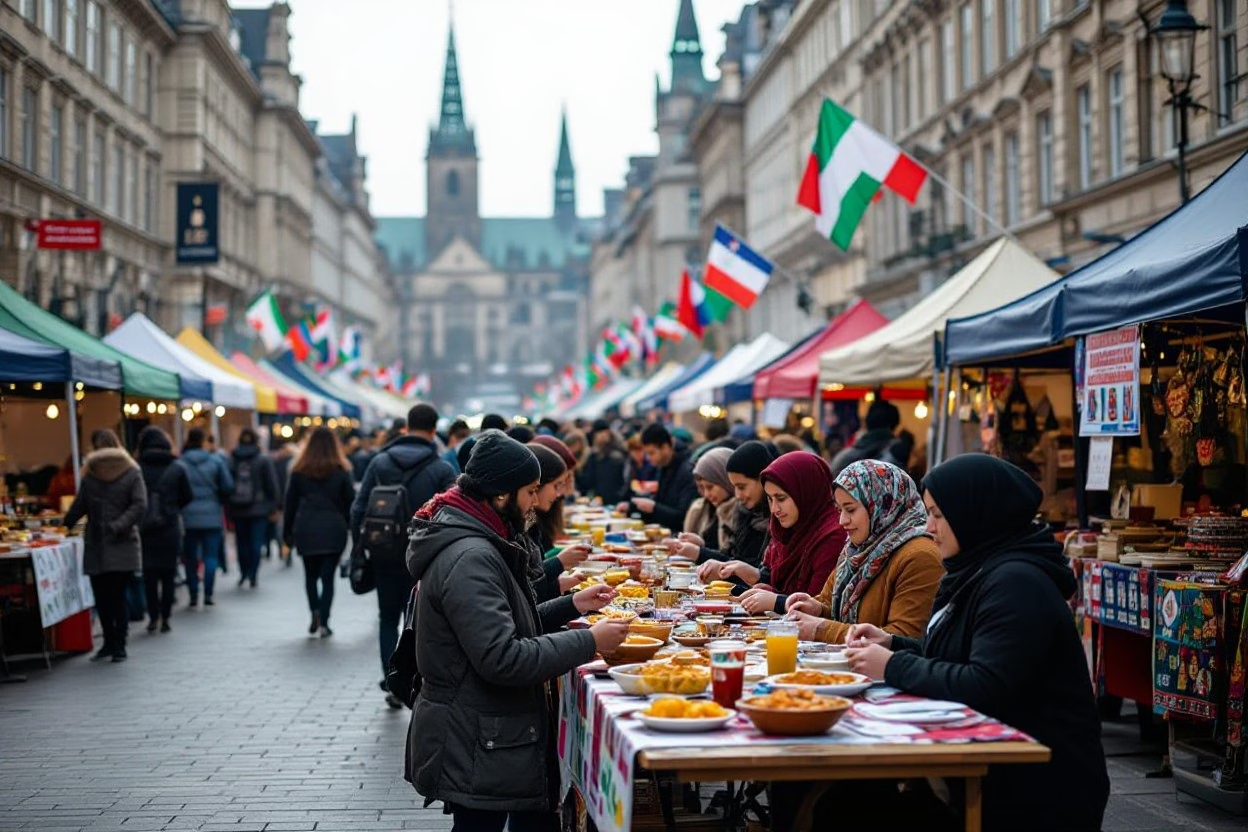
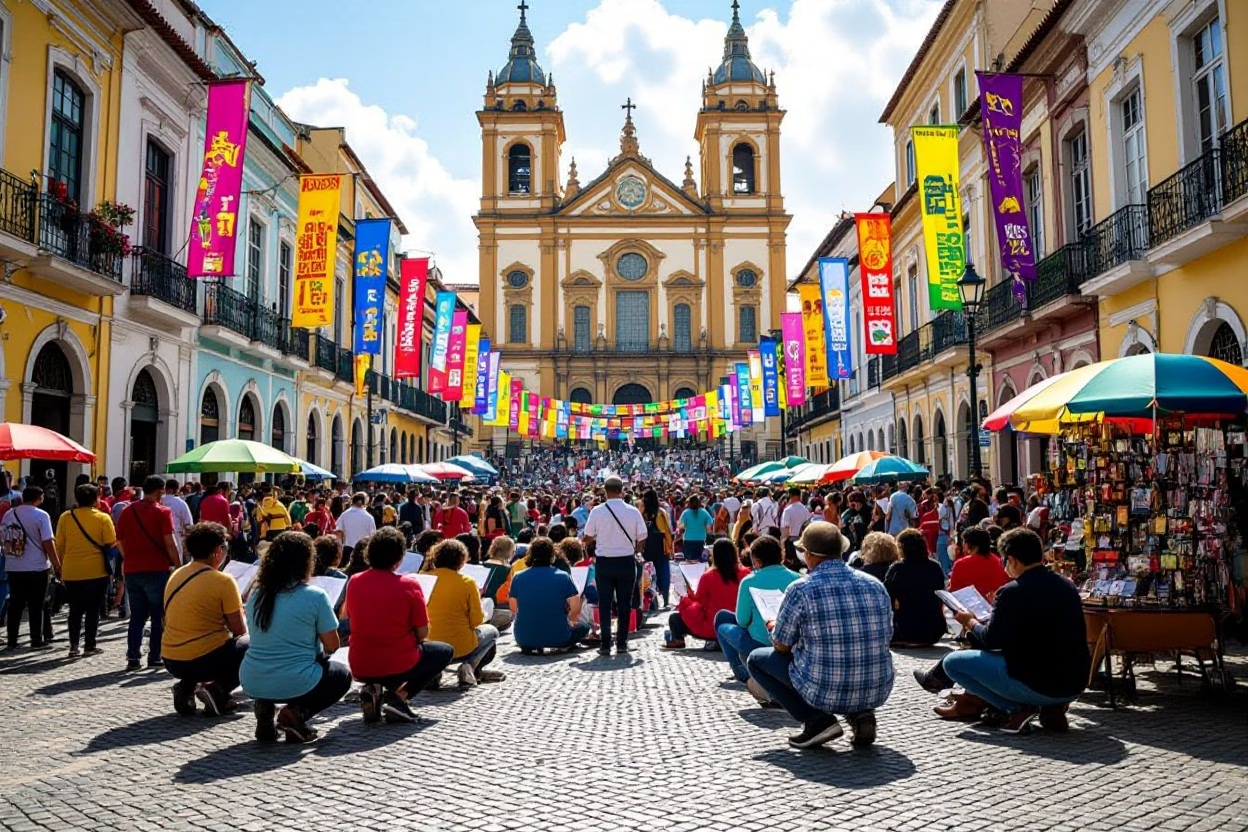
The diversification of migrant populations opens significant channels for creative outreach in places previously homogeneous in culture and language. Mission organizations are experimenting with multilingual worship services and digital platforms that connect believers across continents, allowing the Gospel to resonate with a broader audience. For instance, in cities like Berlin and Toronto, churches have established weekly gatherings that include cultural storytelling and shared meals, fostering both community and cross-cultural understanding. These initiatives have resulted in not only increased attendance but also deeper engagement from members of various ethnic backgrounds who feel their identity respected and represented.
Another growing trend involves leveraging migrant networks to spread the Christian message organically. Migrants, often trusted within their own circles, can serve as natural ambassadors of faith when equipped with theological resources and pastoral support tailored to their cultural contexts. Organizations such as the International Mission Board report that training migrant believers in evangelistic techniques specific to their communities has led to organic church plants and sustained discipleship programs, demonstrating the effective empowerment of migrant evangelists.
Engaging Migrant Communities Through Service
Addressing the tangible needs of migrant communities has become an effective pathway for Christian missions to build rapport and trust. Many churches provide support ranging from legal assistance and language classes to job training and healthcare clinics. These services not only meet immediate practical needs but also embody the Christian principle of loving one’s neighbor, creating credible witness opportunities. For example, a church-based initiative in Los Angeles offers free ESL classes coupled with spiritual counseling, attracting hundreds of migrants weekly and facilitating meaningful relationships that open doors for spiritual conversations.
Mission groups adopting a holistic approach have observed that such services reduce barriers migrants face, including social isolation and cultural alienation. When ministry teams partner with local NGOs and government agencies, they amplify their reach and resources, enabling sustainable support systems that benefit migrants beyond sporadic aid. This collaborative model demonstrates positive outcomes like increased community participation and a measurable rise in volunteerism within migrant congregations.
Linking service initiatives directly with discipleship efforts maximizes their impact. By creating structured follow-up programs, churches ensure that assistance given extends into spiritual growth and integration within the broader Christian community. Programs that integrate English learning with Bible study or vocational training with mentorship not only equip migrants for life’s challenges but also foster enduring faith commitment and leadership development—building resilient, diverse congregations for the future.
The Role of Churches: Adaptive Strategies and Solutions
Innovative Approaches to Community Building
Several churches have adopted creative methods to nurture inclusive Christian communities amid increasing cultural diversity. For instance, intergenerational cultural exchange programs have proven effective; older congregants teach traditional hymns and stories, while younger migrants introduce contemporary worship practices and native languages. Such reciprocal engagement fosters mutual respect and enhances communal bonds across different ethnicities. Additionally, some churches have developed digital fellowship platforms, enabling remote participation for migrants who face mobility constraints or precarious schedules, thus reinforcing a sense of belonging despite physical distance.
Moreover, collaborative worship services that blend diverse liturgical styles cater to the varied spiritual expressions within migrant communities. In Berlin, a Lutheran church’s monthly ‘Global Praise Service’ integrates African drumming, Latin American chants, and Eastern European choir arrangements, attracting over 300 participants from at least 15 national backgrounds. This approach respects cultural identities while uniting believers under shared faith, presenting a model for sustaining vibrant, multicultural worship environments amid rapid demographic shifts.
Outreach to Migrants: Programs and Initiatives
Church-led outreach initiatives have expanded beyond traditional charity, emphasizing empowerment and integration. Numerous faith communities operate language and vocational training centers that address migrants’ immediate socioeconomic needs alongside spiritual support. For example, the Catholic Archdiocese of Milan runs a network of centers offering Italian classes, job placement assistance, and counseling services, directly impacting over 5,000 migrants annually. These programs not only aid practical assimilation but also facilitate meaningful church involvement by reducing barriers to participation.
In addition to training programs, specialized ministries target vulnerable subgroups such as unaccompanied minors and female refugees. The Evangelical Alliance in the UK launched a Safe Harbor project providing trauma-informed care, legal assistance, and community mentorship. This initiative has successfully created over 200 safe spaces across various congregations, promoting healing and integration. By aligning outreach with holistic migrant needs, churches enhance their role as critical agents of social support within global migration dynamics.
Further amplifying impact, partnerships between churches and secular organizations have multiplied the range of services accessible to migrants. Collaboration between religious groups and local governments in cities like Toronto results in co-hosted cultural festivals and employment fairs, blending spiritual outreach with community resource networks. These alliances broaden contacts beyond church walls, embedding Christian communities more deeply within the urban fabric while responding effectively to evolving migrant realities.
The Role of Churches as Community Anchors
Providing Support Services and Resources
Churches frequently act as primary support centers for migrant Christians adjusting to new social environments. Many congregations have developed tailored programs offering language classes, legal aid clinics, and counseling services that address the unique needs of displaced individuals. For example, the Catholic Diocese of Brooklyn has established a network of support centers that serve over 30,000 migrants annually, ensuring access to necessary resources such as housing assistance and employment guidance.
In addition to practical assistance, churches often provide vital emotional and spiritual support, acting as safe spaces where migrants can share experiences and cultivate resilience. Programs like pastoral care groups and mentorship initiatives have demonstrated measurable improvements in migrants’ psychological well-being, reducing feelings of isolation often exacerbated by cultural displacement. This comprehensive approach positions churches as indispensable institutions for integrating new arrivals into broader societal frameworks.
Fostering Integration and Cohesion in Local Areas
Churches play a pivotal role in bridging cultural divides by fostering integration and social cohesion among migrant populations and their host communities. Multiethnic worship services and intercultural events organized by churches encourage mutual understanding and respect, mitigating tensions that sometimes arise from diversity. For instance, an interdenominational church in London annually hosts a “Cultural Harmony Festival” attracting over 5,000 attendees from diverse backgrounds, promoting shared values while celebrating distinct heritages.
Collaborative partnerships between churches and local organizations further strengthen community ties by addressing social challenges collectively. Initiatives like neighborhood clean-up campaigns and joint social outreach enhance both migrant inclusion and neighborhood stability. Such active engagement fosters a sense of belonging and shared responsibility, which has been linked to decreased social fragmentation in urban areas heavily impacted by migration.
Beyond tangible programs, churches often act as informal mediators during cultural conflicts, leveraging their moral authority to encourage dialogue. By facilitating conversations and offering educational workshops on cultural sensitivity, they help reduce prejudice and promote peaceful coexistence. This mediatory function complements institutional efforts, positioning churches as indispensable agents of social harmony amid demographic transitions.
The Economic Impact: Contributions of Migrant Christians
Filling Labor Gaps in Religious and Secular Sectors
Migrant Christians often bridge significant labor shortages within both religious institutions and broader secular industries. Many come with specialized skills in theology, pastoral care, and community outreach, thus revitalizing struggling congregations and expanding service offerings. For example, in countries experiencing clergy shortages, migrant pastors have stepped in, providing leadership in worship, counseling, and church administration. This influx sustains vibrant faith communities and enables churches to maintain diverse programs that might otherwise shutter.
Beyond religious contexts, migrant Christians contribute substantially to sectors like healthcare, education, and construction. Their participation helps address demographic shifts, such as aging populations and declining birth rates in Europe, where migrants frequently fill imperative roles as nurses, teachers, and tradespeople. Such occupational integration not only supports local economies but also fosters intercultural exchange, strengthening social cohesion within host societies.
Funding and Supporting Local Ministries
Remittances sent by migrant Christians frequently fund local ministries in their home countries, bolstering church infrastructure, humanitarian projects, and educational initiatives. For instance, many migrants allocate part of their earnings to establish or refurbish community centers, enabling sustained religious activities and social services. These financial flows help maintain critical local ministries that otherwise might face closure due to economic hardships.
In some urban areas hosting large migrant populations, newly formed migrant-led congregations attract funding from both diaspora networks and international Christian organizations. These resources enable program expansion, such as language classes, job training, and youth mentoring, benefiting both migrants and native residents. This strategic investment fosters community resilience and demonstrates how migrant Christians serve as vital agents of economic and social development.
Moreover, migrant communities have increasingly embraced innovative crowdfunding and digital platforms to channel funds toward local ministries back home. Platforms dedicated to missionary work or church projects allow for transparent, efficient fundraising, broadening financial support networks. Such financial empowerment not only sustains ministry operations but also enhances the capacity for outreach and charitable work in underserved regions.
The Threat of Fragmentation and Sectarianism
Protecting Unity amidst Diversity
Christian communities impacted by global migration often face the complex task of maintaining unity while honoring a multitude of cultural expressions of faith. The emergence of migrant congregations bringing distinct worship styles, languages, and leadership models can unintentionally lead to fragmentation if these differences are seen as barriers rather than assets. Churches that succeed in bridging these gaps typically implement intentional integration strategies, such as multilingual services and intercultural small groups, which foster mutual respect and shared identity.
In metropolitan areas like London and Toronto, where hundreds of ethnic churches coexist, denominational leaders have pioneered forums and joint services to reinforce common theological ground and mutual mission. These gatherings not only ease misunderstandings but also promote collaboration across diverse communities, reinforcing the broader unity of the church body. Neglecting such proactive engagement risks strengthening sectarian divides, particularly as migrants seek spiritual nourishment within familiar cultural contexts.
Navigating Differences in Doctrine and Practice
Migrants frequently bring varying doctrinal interpretations and liturgical practices shaped by their countries of origin, which can challenge existing church norms in host societies. Divergent views on sacraments, gender roles, and worship forms may spark controversy when migrant and local congregations merge or interact closely. This calls for sensitive dialogue and theological education that respects diversity while upholding core Christian convictions.
Theological seminaries and denominational bodies that offer cross-cultural training have observed improved cohesion where clergy and lay leaders understand the historical and cultural reasons behind different expressions. For instance, some Eastern Orthodox migrants emphasize icon veneration and liturgical languages unfamiliar to Western churches, prompting constructive conversations about the boundaries of orthodoxy and cultural adaptation. Establishing shared frameworks for interpreting scripture and practice enables communities to honor differences without splintering.
Further exploration of doctrinal and practical diversity reveals both challenges and opportunities for growth. Migrant communities often serve as a catalyst for re-examining rigid paradigms, encouraging indigenous congregations to expand their theological vision. However, unresolved tensions over issues like charismatic gifts or premarital counseling can hinder integration unless addressed through intentional dialogue processes facilitated by experienced leaders who value both tradition and innovation.

Future Directions: Addressing Disparities and Bridging Gaps
Sustainable Policies and Inclusive Practices
Effective policy frameworks must account for the complex interplay between migration patterns and the evolving needs of Christian communities. Research from the Pew Research Center indicates that in regions such as Europe and North America, migrant Christians often encounter systemic barriers to accessing social services and equitable participation within local churches. Developing sustainable policies that integrate ethical immigration practices with community support mechanisms can reduce marginalization while promoting cultural exchange. For example, Germany’s recent initiatives to train migrant faith leaders to assist in social integration illustrate how policy and inclusive practice can synergize to empower both the migrants and host communities.
Beyond governmental policies, religious institutions themselves have begun instituting inclusive practices to address disparities. Many dioceses now offer multilingual liturgies and cross-cultural programs that accommodate diverse worship styles, enabling migrant congregants to maintain their heritage within the broader Christian fellowship. In cities like Toronto and London, interdenominational efforts have facilitated resource sharing that bridges gaps between established and migrant communities. These institutional adaptations serve not only to affirm diverse identities but also to strengthen communal resilience against sectarian divides.
The Future of Christian Unity Amidst Diversity
Global migration reshapes the demographic and theological landscape of Christianity, presenting a profound opportunity for fostering unity through diversity. Sub-Saharan African and Latin American migrants bring new vitality to churches in Europe and North America, often reinvigorating declining congregations with different traditions and emphases. According to a 2023 study by the World Council of Churches, cross-cultural dialogue among migrant and local Christian groups has increased by 40% over the past decade, facilitating a deeper appreciation of shared beliefs despite diverse expressions of faith.
Historical sectarian tensions, however, still pose risks to unity. Communities that fail to engage in open dialogue may experience fragmentation, particularly where migration intersects with ethnic or doctrinal differences. Intentional ecumenical initiatives that prioritize inclusivity, education, and conflict resolution are emerging as effective tools. Programs like the Global Christian Migration Network, which convenes leaders from various denominations to address migration challenges collaboratively, demonstrate how unity in diversity can be intentionally cultivated for the future well-being of the global Church.
Further exploration into the dynamics of Christian unity reveals that such efforts often hinge on grassroots involvement, where lay members play a vital role in bridging cultural divides. Testimonials from migrant congregants in metropolitan hubs highlight the importance of shared worship experiences that honor both traditional heritage and new cultural contexts. Expanding these inclusive practices not only reduces sectarian risks but also enriches the global Christian witness, paving the way for a more interconnected and resilient faith community worldwide.
Embracing Technology as a Bridge
Digital Platforms for Remote Worship and Connection
Digital platforms have transformed worship experiences for Christian communities dispersed by migration. Churches now stream services via platforms like YouTube, Facebook Live, and Zoom, allowing migrants to participate integrally despite geographical distances. For instance, the International Church of Las Vegas reports a 40% increase in virtual attendance since adopting multi-language streaming, effectively connecting members from over 20 different countries. Such platforms provide not only live worship but also interactive features like real-time prayer requests, enabling a shared spiritual environment akin to in-person gatherings.
Besides live streaming, mobile apps tailored for faith-based engagement expand community connection. Applications like Pray.com offer daily devotionals customizable to various cultural contexts, while Church Center App allows migrants to join small groups and access church resources on-demand. This adaptability supports migrant Christians integrating into new societies without losing their rootedness in faith communities, fostering a sense of belonging and support amid transitional challenges.
Online Resources for Multicultural Education
Online educational tools are advancing intercultural understanding within Christian communities. Platforms such as the Bible Project provide animated videos and study guides that encompass diverse biblical interpretations, reflecting a wide range of cultural backgrounds. By offering resources in multiple languages including Spanish, Arabic, and Swahili, these tools aid migrant Christians and local congregations in exploring their faith through a multicultural lens.
Additionally, organizations like Global Christian Education Network facilitate webinars and workshops specifically addressing the dynamics of cultural integration in church contexts. These resources enable church leaders and members to navigate cultural sensitivities and celebrate diversity, helping to transform potential conflicts into opportunities for enriched fellowship and mutual growth.
Further leveraging these educational resources, many churches have incorporated online curricula focusing on topics such as cross-cultural communication and migration narratives. For example, the “Faith Across Borders” program offers interactive modules that support both migrants and host community members in understanding each other’s traditions and experiences. This approach fosters empathy and strengthens bonds within increasingly diverse Christian populations.
Final Words
Following this exploration of the impact of global migration on Christian communities, it is clear that the phenomenon presents both significant challenges and promising opportunities. Christian congregations are often called to navigate complex cultural integrations, shifts in demographic patterns, and varying degrees of religious tolerance in host countries. These challenges require thoughtful leadership and adaptive strategies to maintain unity and foster inclusion among diverse believers. At the same time, migration enriches Christian communities by introducing new perspectives, practices, and cultural expressions, which can invigorate faith experiences and broaden theological understanding.
Moreover, the ongoing movement of peoples across borders encourages deeper engagement with global Christianity, inspiring collaborative efforts that transcend geographical boundaries. As Christian leaders and communities respond with resilience and openness, they have the opportunity to extend their mission and witness in innovative ways. Thus, the interaction between migration and Christian life is shaping a dynamic landscape—one where the intersection of faith, identity, and cultural exchange offers both a test and a testament to the transformative power of Christianity in the modern world.
FAQ
Q: How has global migration affected the demographic composition of Christian communities?
A: Global migration has led to significant changes in the demographic makeup of many Christian communities worldwide. Migrants from predominantly Christian regions often establish new congregations or revitalize existing ones in their host countries. This influx creates more ethnically and culturally diverse Christian communities, which can enrich worship practices and community life but also require greater cultural sensitivity and adaptation.
Q: What are some challenges Christian communities face due to increased migration?
A: Christian communities encountering migration face several challenges, including language barriers, cultural misunderstandings, and occasional tensions between long-standing members and newcomers. Additionally, there can be logistical difficulties in providing adequate pastoral care and social support to a diverse population, as well as addressing varying theological perspectives brought by migrants from different Christian traditions.
Q: In what ways can global migration offer opportunities for Christian communities?
A: Migration creates opportunities for Christian communities to deepen their multicultural engagement and broader understanding of faith expressions. It fosters the sharing of different liturgical traditions and spiritual practices, encouraging mutual enrichment. Moreover, migrant Christians often bring renewed energy and commitment to evangelization, social justice efforts, and community service initiatives.
Q: How do Christian leaders typically respond to the needs of migrant populations in their communities?
A: Christian leaders often respond by establishing ministries focused on welcoming and integrating migrants, such as language classes, cultural orientation sessions, and social support groups. They may also advocate for migrants’ rights and collaborate with other faith-based and secular organizations to address issues like housing, employment, and legal assistance.
Q: What role does inter-denominational cooperation play in responding to migration-related challenges?
A: Inter-denominational cooperation is vital in effectively meeting the complex needs of migrant populations, as it allows pooling of resources and sharing of expertise among different Christian groups. Such collaboration can enhance outreach efforts, create unified advocacy platforms, and promote a spirit of unity and reconciliation amid diversity.
Q: How can local Christian communities prepare to engage positively with migrant populations?
A: Local Christian communities can prepare by educating their members about cultural diversity and migration issues, promoting inclusion within church activities, and developing programs that specifically address the social and spiritual needs of migrants. Building partnerships with migrant organizations and fostering open dialogue can also help create a welcoming environment.
Q: What impact does migration have on Christian theological perspectives and practices?
A: Migration often introduces Christians to different theological viewpoints and worship styles, leading to richer and more varied expressions of faith. It challenges communities to reflect on their own beliefs in light of new experiences and to embrace a global outlook. This dynamic can result in more inclusive theology that addresses the realities of displacement, identity, and cross-cultural encounter.