

With so many factors influencing our habits, it can be surprising to learn how emotional or physical pain might be behind your porn use. You might not realize it, but your feelings of discomfort or stress could be pushing you to seek comfort through pornography. This connection is more common than you think, and understanding it can help you take steps toward healthier coping strategies. In this post, we’ll explore how pain and your porn habit might be linked and what you can do about it.
Key Takeaways:
- Emotional pain or stress can often be a significant trigger for increased pornography use as a coping mechanism.
- Understanding the underlying causes of pain—whether emotional, psychological, or physical—can help address the root of problematic porn habits.
- Pornography may temporarily relieve discomfort but does not resolve the deeper emotional issues driving the habit.
- Self-awareness about the reasons behind porn consumption is important for developing healthier coping strategies.
- Seeking professional support, such as therapy, can be beneficial in managing pain-related triggers and reducing dependency on pornography.
- Creating alternative outlets for stress and pain, like exercise or creative activities, can help decrease reliance on porn.
- Open communication about pain and habits with trusted individuals can facilitate healing and accountability.
Understanding Pain and Its Impacts
What is Pain?
The experience of pain is something you’ve likely encountered at many points in your life. It’s your body’s way of signaling that something is wrong, serving as an alert to protect you from harm or injury. Pain can manifest in many forms, ranging from the sharp sting of a cut to the aching discomfort of emotional distress.
Among the complexities of pain is how it impacts not only your physical state but also your mental and emotional well-being. It shapes the way you move, think, and even interact with others. This multifaceted nature means that understanding pain is key to managing its effects on your daily life and habits.
Types of Pain: Physical vs. Emotional
Behind every pain you feel lies a story — whether it’s physical or emotional. Physical pain is generally easier to identify because it’s linked to a specific injury or condition, like a sprained ankle or headaches. Emotional pain, however, can be more subtle, often associated with feelings of sadness, anxiety, or loss.
| Physical Pain | Emotional Pain |
|---|---|
| Sharp or dull sensations on the body | Feelings of sadness, grief, or despair |
| Often localized to one area | More diffuse and internal experience |
| Results from injury, illness, or strain | Results from stress, trauma, or psychological triggers |
| Can be measured and treated medically | Requires emotional or psychological support |
| Usually temporary but can become chronic | Can persist without physical signs |
This distinction helps you recognize the source of your discomfort, which is the first step toward finding relief and healthier coping strategies.
A deeper probe the types of pain shows how your body and mind might react differently depending on the source. Physical pain might prompt you to rest or seek medical help, while emotional pain might cause you to withdraw or seek comfort in different ways. Understanding these differences can guide you in making choices that support your healing and well-being.
- Physical pain is tied to your body’s sensory nerves
- Emotional pain involves the brain’s processing of experiences and feelings
- Both types can affect your behavior and daily activities
- Emotional pain may be less visible but just as impactful
- This knowledge empowers you to address pain more effectively
The Body’s Response to Pain
Emotional pain can trigger a cascade of reactions in your body, including increased heart rate, muscle tension, and hormonal changes. Your nervous system is designed to react to pain by initiating both physical and emotional responses that help you cope or escape from harmful situations.
In addition to these immediate reactions, prolonged pain, whether physical or emotional, can affect your immune system and increase feelings of stress or depression. This interplay between body and mind highlights why pain is more than just an unpleasant sensation—it’s a complex experience with widespread effects on your health.
The Nature of Pornography Consumption
While pornography consumption is a common behavior for many people, understanding its nature and the factors that contribute to it can help you gain insight into your own habits. Recognizing the patterns and psychological underpinnings of pornography use can empower you to make more informed choices about how it fits into your life.
An Overview of Pornography Use
Before diving deeper, it’s helpful to know that many people engage with pornography for various reasons, including curiosity, sexual exploration, stress relief, or simply as entertainment. The frequency and intensity of use can vary widely, and for some, it remains a casual part of life without negative consequences. However, when use starts to interfere with daily functioning or well-being, it’s important to explore why that might be happening.
Pornography is readily accessible and often tailored to cater to specific interests, which can make it tempting to return to repeatedly. When you find yourself turning to pornography habitually, it might be paying to explore what emotional or physical needs it is fulfilling, or whether it’s serving as a coping mechanism for other issues.
Psychological Aspects of Porn Addiction
Addiction to pornography involves more than just frequent viewing; it often includes a compulsive pattern of use despite negative impacts on your life. This compulsivity can make it hard to control the behavior even if you want to stop or cut back. The psychological roots may involve stress, anxiety, loneliness, or an attempt to escape from difficult emotions.
Understanding the emotional triggers that lead you to seek out pornography is a key step toward healthier management. When you notice patterns of use tied to mood or emotional distress, it might indicate that pornography is serving as an unhealthy coping strategy rather than a source of simple enjoyment.
A deeper psychological exploration can reveal how pornography consumption may be reinforcing certain neural pathways related to reward and comfort. These pathways can create a cycle where the habit feels increasingly necessary to achieve relief or pleasure.
Effects of Porn on the Brain
Psychological studies have shown that pornography can influence your brain’s reward system similarly to other behaviors that can lead to addiction. Over time, exposure to pornography may alter dopamine responses, making you crave the stimulation it provides. This can increase tolerance, prompting you to seek out more extreme or frequent content to achieve the same effects.
Moreover, the habit can impact emotional regulation and decision-making areas of the brain, potentially leading to difficulties in controlling impulses or managing stress through healthier means. These changes can be subtle but significant, influencing your overall mental health and relationships.
Nature also plays a part in how your brain responds to pornography. Your individual neurobiology, genetics, and life experiences shape how rewarding or reinforcing the content feels, and how challenging it might be to change your habits once they’ve developed.
If you want to learn more about the biological and neurological dynamics involved, you might find this resource insightful: The Brains of Porn Addicts. It researchs into the way addiction affects brain function and what that means for recovery.
The Connection Between Pain and Pornography
For many people, pain—whether emotional or physical—can play a significant role in shaping habits, including your use of pornography. When you find yourself dealing with difficult emotions or distress, it can become a tool for relief or distraction. Understanding this connection can help you gain insight into why your porn habits might feel so deeply ingrained and why breaking free from them can be challenging. For more detailed information on this topic, you might want to check out Porn Addiction: 11+ Key Signs, Symptoms, and Lasting …, which offers a comprehensive look into these patterns.
How Pain Influences Coping Mechanisms
Behind your use of pornography often lies an effort to manage the discomfort caused by pain. When you’re struggling with emotional or psychological issues, porn can appear as an accessible way to soothe those feelings. It can serve as a distraction, a temporary escape from inner turmoil that seems overwhelming at times. This coping mechanism might feel automatic, especially when the pain feels relentless and you haven’t found other supportive ways to process it.
As your brain associates the relief you get from porn with calming down during moments of stress or sadness, this habit can gradually become your go-to strategy for dealing with any kind of distress. This cycle can make it harder for you to face and heal from the underlying pain, as the quick fix offered by porn consumption keeps pulling your attention away from real emotional work.
The Role of Escape in Pornography Use
Beside coping with pain, the role of escape is a powerful motivator behind your pornography use. When real-life situations feel overwhelming, confusing, or painful, exploring into a fantasy world through porn can seem like a safe haven. It’s a way for you to step away from life’s demands and pressures, providing a momentary break from reality that feels freeing and controlled.
In this altered state, your mind doesn’t need to engage with the complexities of your emotions or relationships. This escape mechanism, while understandable, can sometimes prevent you from addressing the root of your struggles, keeping you trapped in a cycle of avoidance rather than healing.
Hence, while this form of escapism offers temporary relief, it can make it difficult to develop healthier ways to face your pain and challenges. Over time, the reliance on pornography for escape might intensify, making it harder to find satisfaction or comfort in everyday life without it.
Emotional Numbing and Pleasure-Seeking Behaviors
Against the backdrop of pain, you might notice that pornography becomes a tool not just for escape, but for numbing emotions altogether. When the pain you’re feeling feels too intense, numbing that pain can seem like a kind way to protect yourself from further hurt. Pornography can trigger dopamine release, spiking feelings of pleasure that temporarily mask unpleasant feelings.
This allows you to fill the emotional void with sensations that feel enjoyable, but it may also lead to a cycle where you seek that pleasure repeatedly, potentially interfering with your ability to experience emotions naturally and fully. The pursuit of these pleasurable moments can make it harder to engage with your emotions in a balanced way, reinforcing the habit.
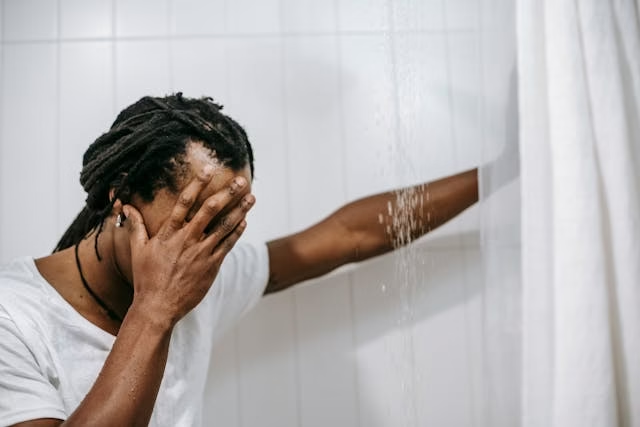
Further, this emotional numbing can create a disconnection between you and your genuine feelings, making it difficult to pinpoint what you truly need when you’re in distress. As the cycle continues, it may leave you feeling more isolated and distant from yourself and others, deepening the struggle with your pain and your porn use.
Recognizing Signs of an Unhealthy Habit
Identifying Pornography Addiction
Any time you find yourself turning to pornography more frequently than you intend or start noticing it interferes with your daily life, it might be a sign of an unhealthy habit. When you feel unable to control the urge, despite negative consequences like shame, guilt, or missed responsibilities, it’s important to pause and reflect on the role this habit plays in your life.
You may also notice escalating usage, where what once satisfied you no longer does, leading you to seek more or different content. This pattern can often signal that the habit is becoming addictive, taking away from your well-being and possibly masking other underlying emotional struggles.
Emotional and Relationship Impacts
Identifying how your porn habit affects your emotions and relationships can help you understand whether it’s unhealthy. You might find yourself feeling isolated, anxious, or even depressed after viewing, which indicates that the habit may be causing emotional turmoil rather than providing the relief you seek.
Moreover, your connections with others could be strained if porn use replaces meaningful interactions or creates secrecy and mistrust. Notice if you’re avoiding intimacy or communication with loved ones because of your habit, as this could signify deeper issues that need attention.
Recognizing these impacts helps you see that your habit is not just about the act itself but how it influences your overall emotional health and relationships. It’s an important step in understanding the bigger picture and making choices that support your well-being.
Physical Symptoms of Overuse
Along with emotional signs, your body might also show physical symptoms when you overuse pornography. For example, you may experience fatigue, headaches, or difficulty concentrating, which can all be linked to spending excessive time engaged in this behavior.
Additionally, overuse might interfere with your sleep patterns or cause physical discomfort, such as strain from prolonged screen time. Paying attention to these physical cues is important because they often indicate that your habit is affecting your health in more ways than one.
Overuse can leave you feeling drained and less energetic throughout your day, making it harder to focus on work, hobbies, or social activities. Noticing these signs means you can take steps toward balancing your habits and prioritizing your physical health along with your mental and emotional well-being.

Healthier Coping Mechanisms
Alternative Stress Relief Strategies
Keep in mind that when pain is a driving force behind your porn habit, finding healthier ways to manage your stress can make a significant difference. Strategies like regular exercise, engaging in hobbies you enjoy, or connecting with supportive friends can provide positive outlets for your emotions. These activities help release tension and improve your mood, offering a more balanced way to cope with uncomfortable feelings.
Additionally, setting aside time for relaxation techniques such as deep breathing, progressive muscle relaxation, or even spending time in nature can help you reduce stress. When you start to notice your urges, turning to these strategies may help you break the cycle of using porn as an escape.
Self-Awareness
By practicing self-awareness, you learn to observe your thoughts and feelings without judgment, making it easier to identify when pain or stress is influencing your behavior. Self-awareness helps you catch the moments when you’re tempted to use porn as a coping mechanism and gives you space to choose a different response.
Integrating mindfulness into your daily routine can bring a sense of calm and clarity. This practice not only supports emotional regulation but also allows you to reconnect with your deeper needs and desires beyond immediate relief.
Hence, developing mindfulness and self-awareness fosters a more compassionate relationship with yourself. It encourages you to face difficult emotions directly, which gradually reduces the hold that pain-driven habits may have on you.
Seeking Professional Help
Stress and emotional pain can sometimes feel overwhelming, and trying to manage everything on your own might not be enough. Seeking professional help, such as therapy or counseling, provides you with a safe space to explore the roots of your pain and develop healthier coping tools.
When you work with a professional, you can gain insights into your behavior patterns and receive personalized guidance tailored to your unique situation. This support can make your journey toward healthier habits more manageable and effective.
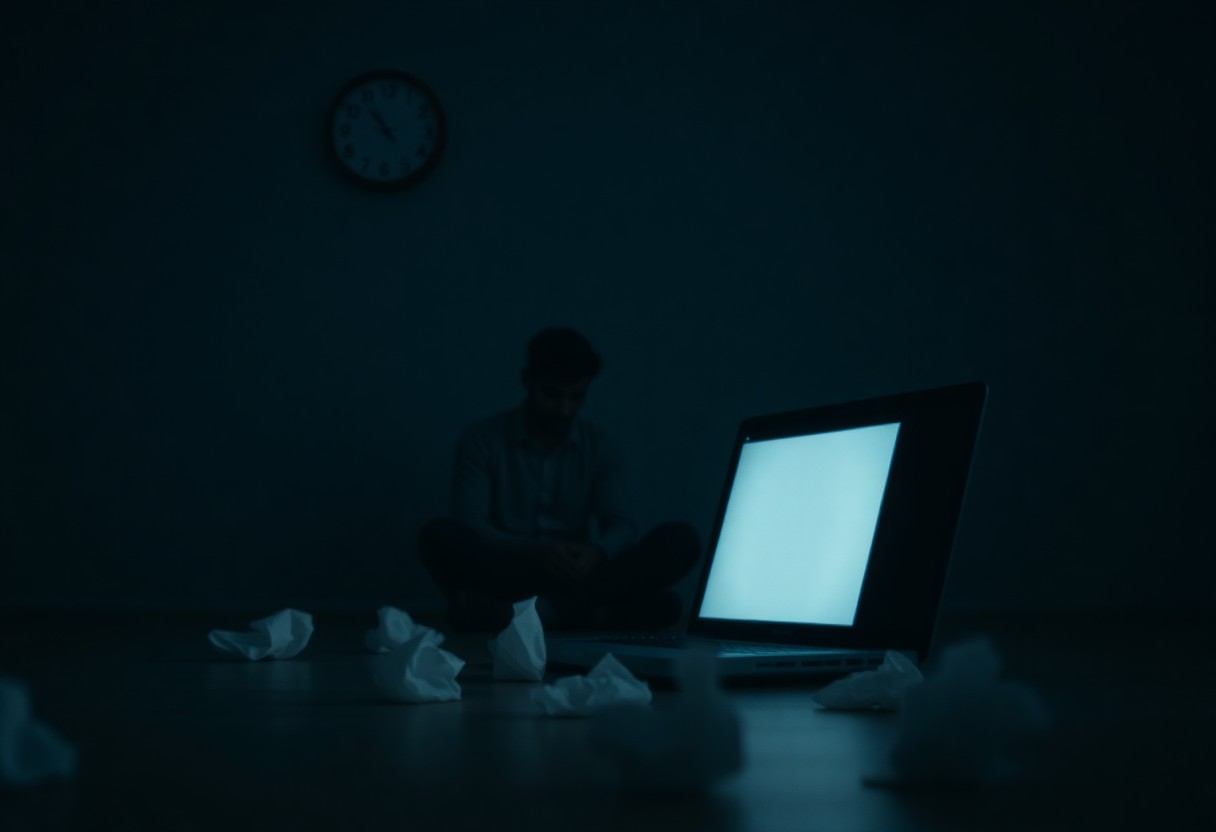
And engaging with a therapist or counselor can also connect you to additional resources and support networks that reinforce positive change. You’re not alone in this, and professional help can be a key step toward healing and reclaiming control over your habits.
Moving Forward: Breaking the Cycle
Setting Goals for Change
Many people find that setting clear, achievable goals helps them gain control over their habits. In terms of addressing a porn habit that might be linked to underlying pain, defining what you want to change is an empowering first step. Think about what success looks like for you—whether it’s reducing consumption, identifying triggers, or replacing that time with more fulfilling activities.
Around your goals, it’s useful to create a plan that includes small milestones and reflects your pace. Celebrate progress without judging setbacks, and adjust your targets as needed. If you’re looking for insights or a personal story related to this journey, you might find Help! My Boyfriend is Addicted to Porn to be a helpful resource.
Building a Support System
Forward movement is much easier when you don’t have to do it alone. Building a support system can provide encouragement, accountability, and understanding as you work through your pain and your habit. This network can include trusted friends, family members, or professionals who respect your goals and offer non-judgmental support.
You might also consider joining groups or forums where others share similar experiences. Connecting with people who understand the struggles and victories can lessen feelings of isolation and boost your confidence on the path to change.
In fact, consistent communication within your support system keeps you grounded. Sharing your feelings and challenges openly can help you process pain more constructively while resisting old patterns linked to your habit.
Embracing a Healthier Lifestyle
By adopting healthier routines, you can replace triggers and cravings with positive habits that nourish your mind and body. Activities like regular exercise, hobbies, mindfulness practices, and better sleep all help reduce the emotional discomfort that might be driving your porn use.
Taking care of your overall well-being reinforces your ability to cope with pain in healthier ways. You’ll likely notice increased energy, improved mood, and a greater sense of control over your impulses—each of which supports breaking the cycle.
Breaking the habit often becomes much more manageable when your lifestyle supports your mental and emotional health. When you feel good in your body and mind, the need to turn to porn for relief diminishes, creating space for richer, more fulfilling experiences in your life.
Conclusion
The connection between pain and your porn habit might be more significant than you initially thought. When you explore the reasons behind your behavior, it becomes clear that pain—whether emotional, physical, or psychological—can often be a trigger that drives you to seek comfort in porn. Understanding this link gives you a powerful insight into your patterns, allowing you to approach your habit with compassion and awareness rather than judgment.
By recognizing pain as a possible underlying factor, you open the door to healthier coping strategies and self-care practices. This journey is about empowering yourself to face those feelings head-on and finding new ways to meet your needs. You have the ability to rewrite your story, turning discomfort into growth and creating a way forward that supports your well-being.
FAQ
Q: How can emotional pain contribute to increased porn consumption?
A: Emotional pain, such as feelings of loneliness, stress, or sadness, can lead individuals to seek comfort or distraction. Pornography may be used as a coping mechanism to momentarily relieve negative emotions, creating a pattern where pain indirectly drives the habit.
Q: Are there specific types of pain that are more likely to influence porn use?
A: Both emotional pain (like anxiety, depression, or trauma) and physical pain can influence behavior. Emotional distress is more commonly linked to increased porn consumption as individuals look for escapism or solace. Physical pain may also affect mood and stress levels, potentially encouraging similar behaviors.
Q: Can recognizing the link between pain and porn habits help in managing usage?
A: Yes, becoming aware of how pain influences porn use allows individuals to address the underlying causes rather than only focusing on the habit itself. This awareness can lead to healthier coping strategies and reduce reliance on pornography as a form of relief.
Q: What alternative coping strategies can be used instead of turning to porn when in pain?
A: Engaging in activities like physical exercise, meditation, talking to friends or a therapist, pursuing hobbies, or practicing mindfulness can provide effective ways to manage pain without resorting to pornography. These methods promote emotional well-being and resilience.
Q: Is professional help recommended for those who feel their porn habit is driven by pain?
A: Seeking support from mental health professionals can be highly beneficial, especially when pain and porn use are intertwined. Therapists can help individuals explore emotional challenges, develop healthier coping mechanisms, and address any underlying issues contributing to the habit.
Q: How does habitual porn use in response to pain affect long-term emotional health?
A: Habitual use of porn as a pain management tool can potentially exacerbate emotional difficulties over time. It may create a cycle where immediate relief is prioritized, but underlying problems remain unresolved, potentially leading to increased distress or dependence on the habit.
Q: Can lifestyle changes help reduce the impact of pain on porn habits?
A: Yes, incorporating balanced nutrition, regular physical activity, sufficient sleep, and social connections can improve overall emotional health. Creating a supportive environment helps lessen the influence of pain on behaviors like porn use and encourages healthier responses to stress.
Leave a Reply