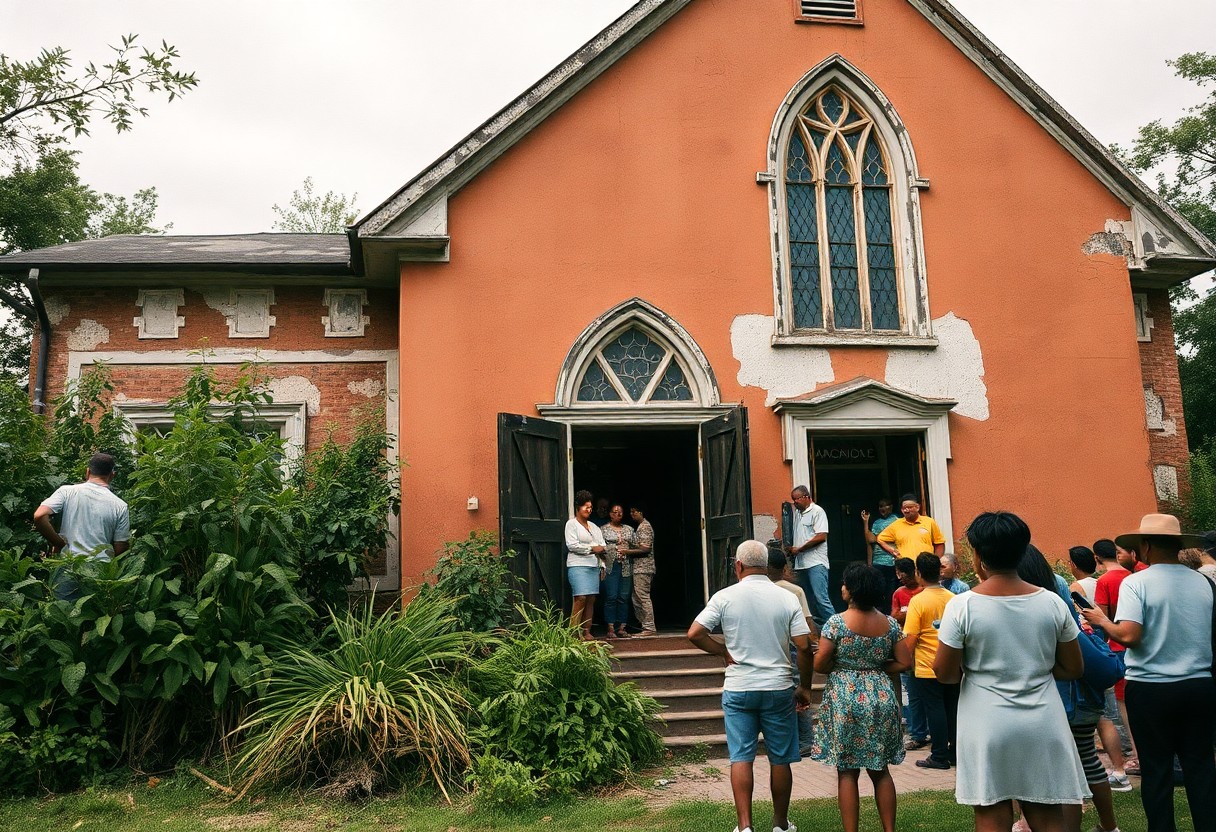
Scripture often speaks of peace and rest for those who trust in Christ, but you may wonder whether the phrase “rest in peace” aligns with biblical teaching. As you explore this topic, you’ll learn about the phrase’s historical origins and how its meaning compares to what the Bible reveals about death and eternal rest. If you’re curious about Is it biblical to say ‘rest in peace’ when someone dies?, this post will provide you with clear, well-founded insights grounded in Scripture.
Key Takeaways:
The phrase “Rest in Peace” originates from the Latin “requiescat in pace,” expressing a hope for eternal rest after death, rooted in Roman Catholic tradition.
The exact phrase “Rest in Peace” is not found in the Bible, but Scripture speaks extensively about peace and rest for believers through faith in Christ.
Biblical passages such as Isaiah 57:2, John 14:27, and Philippians 4:7-8 emphasize the peace and rest believers experience in Christ both now and after death.
Christian doctrine teaches that after death, believers’ souls are in the presence of God, awaiting the resurrection of their bodies at Christ’s return.
The phrase “Rest in Peace” can carry different theological meanings, including beliefs about purgatory in Catholicism, which are not universally held among all Christians.
Christians are encouraged to offer biblically grounded comfort to the grieving by focusing on the hope and assurance found in Christ rather than relying solely on the phrase “Rest in Peace.”
When comforting those mourning unsaved loved ones, believers should trust God to provide wisdom and compassion, using the opportunity to share the hope found in the gospel.
Origin of the Phrase “Rest in Peace”
For many, the phrase “Rest in Peace” originates from the Latin term *requiescat in pace*, meaning “May he begin to rest in peace.” This blessing reflects a hope for eternal rest after death, particularly aligned with Roman Catholic beliefs about the soul’s journey, including purgatory and eventual entrance into heaven. As you explore this phrase, you’ll see how its origins connect to a desire for spiritual peace beyond physical death.
Historical Context
To understand “Rest in Peace,” you need to know it dates back to early Christian times, evidenced by inscriptions like *dormit in pace* found in Roman catacombs. This phrase signified that the deceased had died in unity with Christ and would peacefully sleep until resurrection. The phrase reflects long-held Christian hopes for peace after death, linking you to centuries of religious tradition and belief.
Evolution of Usage
Rest in Peace has evolved beyond strict religious meanings to become a common, comforting phrase used broadly on gravestones and in condolences. Originally tied to Catholic doctrine, you’ll now find it embraced by various Christian denominations such as Anglicans and Lutherans, symbolizing hope for eternal rest and peace regardless of denominational background.
Another aspect of the phrase’s evolution is how it serves as a cultural expression of sympathy, often losing its specific theological context. While it originated with a clear spiritual meaning, it has since become a more general way for you and others to honor the deceased and offer comfort to the grieving, even beyond Christian circles.
Biblical References to Peace and Rest
Even though the exact phrase “rest in peace” isn’t found in the Bible, you will discover many scriptures that speak to the peace and rest believers find in Christ. From Isaiah’s depiction of those who “enter into peace” after a righteous life, to Psalms encouraging stillness and trust in God’s timing, the Bible offers you lasting comfort rooted in God’s promises. These passages assure you that peace is more than a fleeting feeling—it is a divine gift available to all who place their faith in Jesus.
Promises of Peace in Scripture
Against the turmoil you may face in life, Scripture offers peace that surpasses understanding through God’s presence and assurance. John 14:27 shows Jesus promising His peace to you, not as the world gives but as a deep, abiding calm for your heart. Philippians 4:7 further encourages you to bring your anxieties to God in prayer, assuring you that His peace will guard your heart and mind even in the hardest times.
The Concept of Rest in Christ
Rest is an invitation Jesus extends to you personally, offering relief from weariness through faith in Him. Matthew 11:28-30 reveals that true rest comes from trusting in Christ as your Savior and Lord, providing spiritual renewal and a hope that carries you beyond death. This rest is not just physical but a profound peace that sustains you throughout life and into eternity.
References to rest in Christ highlight how this promise is fulfilled through salvation by grace (Ephesians 2:8) and the hope of eternal life (Romans 2:4). You can confidently rely on Christ’s work to grant lasting peace and rest, knowing that your soul is secure and your future is with Him. This assurance allows you to encourage others with the true biblical hope beyond temporary comforts.
The Afterlife According to Scripture
All people face an eternal destiny after death, and Scripture teaches that this is determined by your relationship with God. Your soul will either experience everlasting peace in God’s presence or face separation from Him. The Bible describes this eternal state as resting in the loving fellowship of the triune God for believers or confronting His judgment for those who reject Him. Understanding these truths can offer you hope and clarity about what follows this life.
Believers’ Destiny
Between death and the return of Christ, your soul immediately enters into the presence of God, enjoying peace and rest as promised in Scripture. Your body, meanwhile, rests in the grave until it is resurrected and glorified to live eternally with Christ. This blessed hope assures you that heaven awaits, a place without pain or sorrow, where you will be reunited with fellow believers in joy and worship.
The Fate of Unbelievers
Fate for those who reject Christ is eternal separation from God, often described as torment or hell in Scripture. While God’s presence sustains all, for unbelievers, it becomes the source of judgment and inescapable anguish. This reflects the tragic reality of being cut off from the life-giving relationship with your Creator.
Also, Scripture emphasizes that hell is not merely about physical suffering but centers on being forever in God’s presence with His face turned away. This separation is a profound loss, emphasizing how personal and serious your choice regarding faith is. While the exact nature of this experience remains partly mysterious, the warning is clear about eternal consequences for rejecting God’s offer of salvation.
Comforting Language for the Grieving
Despite the common use of “Rest in Peace,” this phrase lacks clear biblical grounding and may offer only temporary comfort. When comforting those who mourn, you can speak with compassion and biblical truth, focusing on the peace believers have in Christ and the hope of eternal reunion. Sharing the assurance that the deceased is with Jesus and encouraging the grieving to find rest in Him provides meaningful consolation that goes beyond hollow phrases.
Biblical Perspectives on Death
Against the backdrop of “Rest in Peace,” the Bible shows that death leads believers into God’s peace, but this peace originates from faith in Christ, not from a phrase. You find hope in scriptures like Isaiah 57:2 and John 14:27, which promise rest and peace to those who trust in Jesus. Your confidence rests on God’s promises of eternal life and a future resurrection where soul and body unite gloriously.
Alternatives to “Rest in Peace”
Around expressing condolences, you can use phrases that reflect biblical hope and truth more accurately. Instead of “Rest in Peace,” speaking about the joy of the believer being in Jesus’ presence or praying for God’s peace to comfort those grieving can provide deeper solace. Saying things like, “He’s rejoicing before the Lord” or “May God’s peace guard your heart” honors faith and offers richer comfort.
Also, when offering words to those grieving, you can emphasize the promise of a future reunion and God’s sustaining presence. Encourage others by sharing that the deceased is with Christ, free from pain, and that you are there to support and love them through their loss. This approach brings biblical substance to your comfort, meeting both emotional and spiritual needs during grief.
The Role of Faith in Grief
To navigate grief with strength and peace, your faith can be a guiding light. Trusting in Christ’s promise of eternal rest and peace offers reassurance beyond temporary comfort. As you face loss, grounding yourself in biblical truth helps you move beyond platitudes and embrace the real hope found in a relationship with Jesus, giving purpose and meaning amid sorrow.
Finding Hope in Christ
Role of faith in your grief journey is to anchor your hope in Christ’s promises. Scripture offers peace that surpasses understanding (Philippians 4:7) and rest for your soul (Matthew 11:28). This hope is not wishful thinking but a confident assurance that your loved one shares in Christ’s eternal peace and that you, too, can find calm in the midst of loss.
Community Support in Grief
Faith plays a significant role in the support you receive through your community during grieving. Being surrounded by fellow believers provides comfort, encouragement, and practical help. Your church family offers a tangible expression of God’s love, walking with you as you mourn and providing a shared hope of reunion in Christ.
Christ-centered community fundamentally strengthens your healing process. When you engage with others who understand the promises of Scripture, you find an empathetic family eager to carry your burdens. This fellowship goes beyond sympathy—it actively models God’s peace by celebrating the life of the departed, offering prayers, and helping you rest in the assurance of Christ’s presence both now and forever.
Final Words
Presently, when you hear or use the phrase “Rest in Peace,” it is important to understand that while it offers comfort, it does not have direct biblical origins. Instead, your true hope and peace come from Christ’s promises of eternal rest for believers. As you face loss or comfort others, grounding your words in Scripture provides lasting assurance beyond temporary consolation, helping you and those you support to trust fully in the peace and rest found only in Him.
FAQ
Q: What is the origin of the phrase “Rest in Peace”?
A: The phrase “Rest in Peace” originates from the Ecclesiastical Latin term “requiescat in pace,” which means “May he begin to rest in peace.” It historically reflects a Christian blessing wishing the departed eternal rest, particularly within Roman Catholic doctrine where it conveys hope for peace after death.
Q: Is the phrase “Rest in Peace” found directly in the Bible?
A: No, the exact phrase “Rest in Peace” does not appear in the Bible. However, the Bible does speak about peace and rest for believers in Christ, emphasizing the spiritual rest and peace that come from faith and trust in Him.
Q: How do Christians find peace and rest according to the Bible?
A: Christians find peace and rest through faith in Jesus Christ, as He promises to give His peace that surpasses worldly understanding. Passages such as John 14:27 and Philippians 4:7 highlight that trusting Christ brings an inner peace that guards the heart and mind.
Q: What does the Bible say happens to believers after death?
A: According to the Bible, at death, believers’ souls immediately enter into the presence of God, experiencing rest and peace. Their bodies will be resurrected and glorified upon Christ’s second coming, fully united with their souls for eternity in heaven.
Q: Why might some Christians consider the phrase “Rest in Peace” a compromise?
A: Some Christians view “Rest in Peace” as a compromise because it lacks direct biblical support and can be broadly used without reference to Christ. While it offers temporary comfort, it does not fully convey the Christian hope and assurance found in Scripture regarding the afterlife.
Q: What are alternative ways Christians can offer comfort about death?
A: Christians can offer comfort by speaking biblically about the peace and rest found in Christ, reassuring grieving individuals that their loved ones who trusted Jesus are rejoicing in His presence. Expressions that highlight eternal reunion, God’s love, and the hope of resurrection provide deeper encouragement.
Q: How should Christians respond to the loss of an unsaved loved one?
A: When grieving the loss of an unsaved person, Christians are encouraged to offer compassion and trust God for the right words. While the situation is difficult, it is an opportunity to share the gospel gently and rely on God’s guidance for comforting those in sorrow.
In an age where self-proclaimed prophets and spiritual leaders flood our social media feeds, news outlets, and even church pulpits with bold predictions and divine claims, the need for discernment has never been greater. The Bible, our timeless guide, doesn’t leave us in the dark on this matter—it provides clear, practical guidelines for testing the authenticity of anyone who speaks in God’s name. Drawing from key scriptures like Deuteronomy 18 and 1 John 4, this post explores how to separate true messengers from false ones, empowering you to navigate spiritual truths with confidence and wisdom. You must rigorously evaluate anyone claiming divine revelation: test the spirits, verify conformity to Scripture, and beware dangerous false prophets who mislead many; when prophecy fails the biblical tests you are commanded to mark and avoid them, while you should embrace and defend true prophecy that builds the church.
Key Takeaways:
Test the spirits (1 John 4:1): determine the source of any claimed prophetic message before accepting it.
Test immediately: do not give prophetic claims a free pass or a “wait and see” margin; failure of any test disqualifies the claimant.
Old and New Testament standards require the same source-determination; temporal penalties differ but moral and eternal consequences remain.
Scripture is the final authority: any prophecy that contradicts the Bible or the gospel is false.
Fulfillment and accuracy matter: an unfulfilled or false prediction identifies the speaker as a false prophet.
Evaluate fruit and character: moral integrity, humility, submission to church authority, and consistent godly fruit are required of genuine messengers.
Do not support or follow proven false prophets: mark, avoid, and hold fast to what is good (1 Thessalonians 5:20–21).
Understanding Prophets and Their Role
Definition of a Prophet
You should understand a prophet as someone who claims to receive and deliver a specific message from God to others — whether that message is predictive (foretelling future events) or corrective/teaching (forth-telling moral and covenantal demands). In this teaching you are already treating the terms prophets and messengers interchangeably because anyone who says “I feel the Lord telling me” or offers a direct word to a congregation is functioning as a bearer of revelation, and therefore must be tested like a prophet. Modes of delivery vary: visions, dreams, audible impressions, symbolic actions (Ezekiel’s acted parables), and direct spoken words all appear in Scripture, and you must treat the mode as secondary to the claim that the source is God.
Scripture attaches objective standards to that claim: if a person asserts divine authorship of a message, you do not treat that as private feeling but as a public claim that can be evaluated. Deuteronomy 18:18–22 establishes the benchmark that a prophetic word must be vindicated by fulfillment and must not contradict God’s revelation; 1 John 4:1 commands you to test the spirits. Those texts mean that the prophetic office is not a wildcard where subjective experience overrides accountability. The Old Testament civil penalty for false prophecy (death in Deut) underscores how seriously God regarded the integrity of prophetic speech; the New Testament replaces civil sanctions with ecclesial discipline — you are commanded to judge and respond immediately.
Practically, that means every person who claims to carry a message from God enters a legalistic, biblical testing process: alignment with canonical Scripture, measurable fulfillment where predictions are made, consistent fruit of character and doctrine, and submission to accountable leadership and communal discernment. You must prioritize the authority of Scripture above any living voice, and you must apply communal checks — two or more witnesses, elders’ oversight, and plain evidence of fulfilled words — before granting credibility. If a single, clear predictive claim fails the test, Scripture identifies that person as a false prophet, and you are required to act accordingly: test immediately, correct where possible, and mark and avoid where deception is proven.
Biblical Examples of Prophets
Old Testament narratives give you concrete case studies in how prophets functioned and how the community judged them. Elijah’s confrontation on Mount Carmel (1 Kings 18) showed prophetic authority through supernatural demonstration and moral confrontation: he publicly exposed 450 prophets of Baal and called Israel back to covenant faithfulness. Isaiah produced extended messianic literature — passages such as Isaiah 7:14 and Isaiah 53 later became testable reference points in the New Testament, showing how predictive prophecy can be woven into God’s redemptive plan. Jeremiah’s ministry demonstrated the personal cost and public rejection that can accompany honest prophetic warning; his prophecies about Jerusalem’s fall (Jeremiah 25, 39) were specific and ultimately vindicated, providing a template for how you measure prophetic accuracy against historical outcomes.
In the New Testament you see both continuity and recalibration: Jesus is presented as the prophet like Moses (Deut 18:15–19) and as the ultimate revealer of the Father’s will, while early church figures such as Agabus (Acts 11:28; 21:10–11) issued specific, time-bound warnings — Agabus predicted a famine and later signaled Paul’s coming arrest — and those claims are recorded as fulfilled or at least as influential in community decision-making. The four daughters of Philip (Acts 21:9) illustrate that prophetic activity in the church included ordinary believers functioning in the gift, but always under apostolic oversight. Apostles and elders exercised discernment: prophecy was confirmed by the community and, where necessary, corrected (compare the corrective example of Paul confronting false teachers in Corinth).
More broadly, the biblical examples show recurring patterns you must use: prophecies that included dates or specific outcomes (famine, exile, deliverance) were either validated by history or exposed as false; prophets often combined moral rebuke with future prediction; and the community’s response — acceptance, correction, or rejection — hinged on verifiable evidence. These patterns give you operational criteria to apply today when evaluating people who claim to be prophets.
The Importance of Prophets in Scripture
Prophets in Scripture serve as God’s communicators for doctrinal clarity, covenant enforcement, and eschatological warning; their messages anchor the people of God to redemptive history and provide specific direction in crises. Hundreds of prophetic utterances in the Old Testament shaped Israel’s decisions about covenant fidelity, worship, and justice — for example, Haggai’s short ministry in 520 B.C. directly influenced the resumption of temple construction after exile, producing immediate corporate action when the people obeyed. Prophetic words also functioned as instruments of God’s long-term plan: multiple Old Testament prophecies converge in the New Testament fulfillment narratives, giving you external checks for authenticity and showing that prophecy is not merely emotional speech but part of a sustained divine storyline.
On a congregational level, prophets have the role of warning, exhorting, and directing the community toward obedience; they are also meant to expose deception and protect covenant purity. The New Testament commands you to test prophecies (1 John 4:1; 1 Thess 5:21) precisely because prophetic speech can either build up the church or lead it into error. When prophetic utterances align with Scripture, produce godly fruit, and are accountable to leadership, they function as instruments of correction and blessing. When they do not, they become vectors of harm — financial exploitation, spiritual manipulation, and doctrinal drift are documented outcomes in modern movements that lack accountability.
The theological stakes are high: Scripture treats prophetic authenticity as tied to eternal consequence — false prophecy is not a minor error but a category that invites warning, rebuke, and separation. The Bible provides you with both positive and negative models so you can differentiate true prophetic ministry that advances God’s revelation from counterfeit speech that undermines it. That means you should hold prophetic claims to the same textual, historical, and ethical standards Scripture applies, refusing to elevate living prophecy above the written Word or to tolerate prophetic systems that concentrate power without oversight.
For practical application you should use a short checklist every time a claimed prophetic word arrives: compare the content to canonical Scripture, demand specificity where predictions are made, verify fulfillment within a reasonable timeframe, evaluate the speaker’s character and financial transparency, and ensure the person is accountable to elders or recognized leadership. Watch for red flags such as exclusive “prophetic councils,” prophetic words used to control finances or politics, and refusal to submit to correction — those are immediate signals that the claim needs rigorous testing and likely rejection.
Biblical Basis for Testing Prophets
Old Testament Guidelines
Deuteronomy lays down the clearest procedural tests you must apply: compare any prophetic claim to the revealed law and covenant promises (Deut. 13:1–5; 18:20–22). Look for intrinsic conformity to the Torah: a genuine messenger will never counsel disobedience to God’s statutes or promote idolatry. Use the concrete benchmark in Deuteronomy 18:22—if a predicted event does not occur, the speaker has spoken presumptuously; that single measurable failure carries decisive weight. In practical terms you should log predictions, note dates and conditions specified, and check outcome against the prophecy: precision matters. A prophecy that says “within this year” or “before the end of the harvest” gives you a clear, testable window; vagueness removes accountability and should be treated with suspicion.
Prophetic community oversight in Israel also offers procedural examples you can adopt: prophets were accountable to priests, elders, and the covenant community, not lone charismatic authority. The case studies in 1 Kings 22 and Jeremiah 28 are instructive: Ahab’s court received 400 prophets affirming victory while one prophet—Micaiah—bore witness to the true word and was marginalized; Hananiah’s premature “peace” prophecy (Jer. 28) was later judged false because Jeremiah produced a contradictory, verifiable sign and the nation’s fate followed Jeremiah’s warning. You should therefore weigh majority acclaim against scriptural fidelity and predictive accuracy; numbers alone (crowds, endorsements, or perceived anointing) cannot substitute for verification against God’s revealed truth. Keep a record of who affirms the prophecy and whether endorsers themselves have historically passed tests of doctrine and character.
Sanctions in the Mosaic system were severe—Deuteronomy prescribes death for seducing Israel to other gods—yet the underlying rationale is accessible for you today: protective separation. The Old Covenant required immediate, public consequences to preserve covenant faithfulness in a theocratic polity; you should translate that to disciplined, communal responses now, such as public correction, removal from leadership, and cessation of platform for those proven false. Note the moral standard embedded in the ceremony and civil codes: the prophetic office demanded both accurate prediction and holy living. Evidence from the text shows that one substantive false prophecy renders the claimant a false prophet, and you must act accordingly by withdrawing support and influence rather than granting repeated chances for remediation without accountability.
New Testament Teachings
1 John 4:1 gives you the first-order rule in the apostolic era: “test the spirits.” The New Testament expands the testing rubric beyond mere prediction to include doctrinal conformity and fruit evaluation (Matt. 7:15–20; 1 Thess. 5:20–21). Apostles required that prophetic words align with the gospel they preached—Paul’s insistence that any message differing from the apostolic gospel be rejected (Gal. 1:8–9) functions as a non-negotiable hermeneutic. Practically you must place prophecy alongside Scripture: if a prophetic utterance contradicts the clear teaching of Christ and the apostles, you treat it as false. That means assessing claims on at least three axes—predictive accuracy, theological consistency, and observable spiritual fruit in the speaker’s life.
Case studies from Acts and the Pauline letters offer operational guidance: Agabus (Acts 11:27–28; 21:10–11) made predictive claims that proved accurate and consistent with apostolic ministry, gaining credibility; contrast Elymas the sorcerer (Acts 13:6–12), whose opposition to the gospel was judged and exposed. You should note the contextual signals: apostles verified prophetic claims not by spectacle but by congruence with mission and truth. In the early church numerical affirmation did not trump apostolic testing; prophetic utterances required communal scrutiny, corroboration when possible, and alignment with the shepherding purpose of the church. Use elders and mature, Scripture-saturated leaders to assess prophecies; decentralized verification is a safeguard against celebrity-driven error.
New Testament discipline replaces the Old Testament civil penalty with ecclesial correction: you are instructed to mark, avoid, and remove false teachers from influence (2 Thess. 3:14–15; Titus 3:10–11; 2 John 1:10–11). The apostolic reaction to false prophecy is not passive tolerance but active protection of the flock—withdraw fellowship, revoke authority, and cease financial or platform support. Quantitatively, the New Testament assumes a plurality of tests: doctrinal, moral, and prophetic—failure on any single test is disqualifying. That is why you must not adopt a “let’s keep them and only reject bad prophecies” posture; Scripture requires comprehensive judgment that can result in exclusion when a person is shown to be false.
More information: apply the apostolic tests as cumulative and immediate—1 Thessalonians 5:20–21 (“test everything; hold fast to what is good”) functions as a procedural checklist you should enact whenever a prophecy is delivered: document claims, request scriptural proof, solicit corroboration from qualified elders, and observe outcomes over the specified timeframe; if any one element fails, treat the prophecy and the claimant as disqualified.
The Continuity of Prophetic Standards
Comparing Deuteronomy and the New Testament shows a unified core requirement: you must determine the source of any prophetic utterance. Deuteronomy 18:20–22 gives you the forensic test—did the word come to pass?—while 1 John 4:1 requires spiritual discernment of origin. These are complementary, not contradictory. In numerical terms the Old Testament provided civil enforcement; the New Testament prescribes ecclesial enforcement—both aim to protect covenant fidelity. Use both predictive verification and doctrinal conformity as twin lenses: if a prophecy predicts an outcome and that outcome fails, and simultaneously the content departs from apostolic teaching, you have two independent axes of disqualification. That dual failure is commonly present in modern false prophets you encounter in charismatic or NAR circles: inaccurate predictions plus heterodox teaching; either alone is dangerous, both together is disqualifying.
Historical examples bridge the covenants and illustrate continuity: the 400 court prophets in 1 Kings 22 and the many false teachers warned about by Paul and John demonstrate prevalence—scripture repeatedly warns that many false voices will arise. You should therefore maintain institutional skepticism; treat prophetic claims as presumptively suspect until they clear the biblical tests. Apply standards such as: does the prophecy promote Christ and the cross, does it align with the apostles’ teaching, does the prophet’s life display holiness and accountability, and did the predictions occur within stated parameters? These are the same tests used by Israel’s leaders and the apostolic church, merely adapted to different covenant structures.
More information: understand that continuity does not mean identical civil penalties; rather, the consistent theological verdict is the same—false prophecy indicts the speaker’s standing before God and the community. For you that translates into a single actionable posture: test quickly, judge fully on all biblical criteria, and remove influence when disqualification is established; historical precedent and scriptural command both demand nothing less than decisive, documented, and communal response.
The Source of Prophecy
Distinguishing Between True and False Spirits
You must begin by tracing the spiritual voice back to its source: ask whether the communication bears the marks of God’s character and scriptural mandate. Test the spirit against explicit biblical criteria: does the message align with 1 John 4:1–3 (confessing Jesus Christ come in the flesh), Deuteronomy 18:21–22 (prophecies that fail are not from the Lord), and Matthew 7:15–20 (fruit reveals the tree)? Practical signs to watch for include precise, falsifiable predictions versus vague “seasonal” language, repeated post-event edits to prophetic statements, and patterns of prophetic retraction framed as “partial fulfillment.” For a concentrated guide on methods and examples you can compare to your own evaluations, consult this resource: Prophecy: How to Discern Truth and Avoid Deception.
Observe character and consequence next. Genuine prophets in scripture display moral integrity over time, not merely spectacular utterance: look at consistency in speech, humility in leadership, and whether the person submits to accountability. False spirits often produce sensationalism, financial exploitation, or celebrity-building rather than repentance and righteousness. A concrete example: multiple ministries over the past two decades have issued high-profile predictions tied to fundraising campaigns; when those predictions did not occur, the ministries rewrote the wording or claimed conditionality instead of acknowledging error—this pattern is a red flag you must weigh against the biblical tests.
Use community-level tests as a filter: bring claimed prophetic words to at least two or three mature, Bible-literate believers and to a local eldership for assessment (1 Corinthians 14:29 gives the model for weighing prophets). Compare the message to previous, verifiable prophecy from the same speaker—track at least five of their past prophecies, note dates and outcomes, and calculate a simple accountability metric: if more than one prophecy is demonstrably false (Deuteronomy standard), treat the source as unreliable and avoid supporting their ministry. Consistent failure across multiple, independent prophecies is a practical, scriptural disqualifier.
The Role of the Holy Spirit
The Holy Spirit functions as both originator and verifier of genuine prophetic speech: authentic prophecy will carry an inner witness—peace, enlightenment of Scripture, and a pull toward Christ-like obedience—rather than confusion, division, or fear. Expect the Spirit to confirm a word by opening Scripture to you in the same area the prophecy addresses; when you read Isaiah, Jeremiah, or New Testament passages and they illuminate the prophetic claim, that alignment is a significant indicator. Conversely, if the hearing produces anxiety, secrecy, or commands that pull people away from gospel obedience, those dynamics point to a different spirit.
Confirmation rarely arrives in isolation. Peter and the apostles modeled communal verification (Acts records multiple instances where public signs were weighed alongside teaching and communal judgment). Require at least two independent confirmations from Spirit-filled, Scripture-grounded leaders before validating a public prophetic claim; if you cannot secure such confirmations within a reasonable timeframe (days to a few weeks, depending on urgency), refrain from acting on the prophecy publicly. The New Testament pattern (1 Thessalonians 5:20–21; 1 Corinthians 14:29) expects testing and restraint, not impulsive obedience to private impressions.
The Spirit will never contradict Scripture or exalt the messenger above Christ. Watch for any prophecy that places the prophet’s authority on par with canonical revelation, or suggests additions to the gospel (Galatians 1:8–9). When a prophecy demands secrecy, loyalty to a leader over the local body, or material giving as evidence of faith, treat these as markers of a spirit bending toward control and exploitation. In practice, confirm whether the Spirit’s fruit—love, joy, peace, patience, kindness, goodness, faithfulness, gentleness, self-control (Galatians 5:22–23)—is evident around the messenger; absence of these fruit is a practical disqualifier.
More info: When you sense the Spirit’s confirmation on a prophetic word, record the impression immediately—date it, note Bible passages that surfaced, and list at least two witnesses who heard the same confirmation. Over time you can compare predicted outcomes to recorded notes; this log becomes concrete evidence for or against the Spirit’s activity in a given messenger.
Assessing the Message’s Alignment with Scripture
Doctrinal fidelity is non-negotiable: inspect the prophecy line-by-line against clear biblical teachings about Christ, salvation, and the nature of God. Compute alignment using a short checklist: (1) Does the message exalt Jesus and His finished work? (2) Does it require any addition to justification by faith? (3) Does it propose commands that contradict the moral law or gospel ethics? Use Galatians 1:6–9 as the standard for identifying “another gospel”; any prophetic claim that adds legalistic requirements, new salvific conditions, or contradicts Christ’s atoning work fails the scriptural test.
Examine theological content for specifics: if a prophecy references future covenantal changes, new sacrifices, or rites that displace Christ, flag it as error. Historical cases from church history show that extra-biblical revelations often introduce new hierarchies or rituals that centralize power; the New Apostolic Reformation’s emphasis on modern “apostolic chains” and new mandates provides a contemporary template for what to avoid. Compare any theological novelty to core summaries such as the Apostles’ Creed or key Pauline doctrines—if the prophecy cannot be reconciled without distortion, reject it.
Methodologically, perform a textual audit of the prophecy: extract declarative claims, identify prescriptive commands, and map each against at least two corroborating Scripture passages. For predictive elements, apply Deuteronomy 18:21–22—note precise timing, specific persons or nations named, and measurable outcomes; vagueness or retrofitting after the event undermines credibility. Use the community’s Bible tools (concordances, cross-references, commentaries) and require at least one elder-led handling session before any ministry acts on the word.
More info: Create a one-page alignment summary for every prophetic word you evaluate: list five core doctrinal checks (Christology, soteriology, sanctification, ecclesiology, and worship), cite the supporting scriptures for each, and note any conflicts. If you find even a single, direct contradiction, the prophecy fails the alignment test and must be rejected publicly and the messenger treated according to the disciplinary measures Scripture prescribes (mark and avoid where necessary).
Prophetic Accuracy and Accountability
The Requirement of Fulfilling Prophecies
Deuteronomy 18:20–22 sets the baseline: a prophecy that does not come to pass identifies its speaker as not sent by the Lord. You must treat that standard as binary — one failed, verifiable prediction converts an alleged prophet into a false prophet under biblical law. Concrete application means you document the prophecy (date, wording, audience, any conditional language), track the timeline the speaker implied, and demand objective verification rather than relying on reinterpretation or retroactive spiritualizing of the claim.
Examples from recent history illustrate how this plays out practically. Harold Camping publicly predicted May 21, 2011, as the Rapture and then adjusted explanations when nothing happened; you can study the timeline, public statements, and financial fallout to see how failure changes both credibility and real-world consequences. In local church settings you should require the same rigor: if someone declares a specific future event for your congregation or community, treat it like any other claim — test specificity, assess falsifiability, and hold the claimant accountable to the original words rather than to subsequent reinterpretations.
New Testament texts reinforce this requirement with parallel checks: 1 John 4:1 commands you to test the spirits, and 1 Thessalonians 5:20–21 tells you to test everything and hold fast to what is good. You must therefore combine prophetic content-testing with observational fruit-testing (Matthew 7:15–20): compare the prophet’s public life, teaching, and outcomes against Scripture and community well-being. If the prophecy fails, Scripture does not give you the liberty to keep the person’s platform or to continue receiving their messages.
Temporal vs. Eternal Consequences for False Prophecies
Old Testament law carried a civil penalty for false prophecy — Deuteronomy 18 explicitly ties false prophecy to a capital penalty in Israel’s covenant context. You should understand the categories behind that law: Israel’s civil penalties addressed governance and covenant purity in a theocratic nation-state. Modern application therefore separates moral imperatives (still binding), ceremonial practices (fulfilled in Christ), and civil punishments (context-specific). That separation explains why you do not enact capital sanctions today, but it does not erase the ethical severity of giving false messages in God’s name.
In the New Testament you apply different temporal consequences that are nonetheless severe and pragmatic: mark, distance, and remove platform. Romans 16:17 urges you to identify and mark those who cause divisions and teach contrary to apostolic doctrine; 2 John 10–11 warns against receiving or supporting false teachers. Practically this means you withdraw endorsement, stop funding or promoting the individual, and remove them from leadership roles. Marking and avoiding a false prophet is the New Testament equivalent of protecting the covenant community — it is a required, non-negotiable discipline.
Eternal consequences do not change between covenants. Scripture repeatedly links false teaching and unrepentant deception with final judgment (Matthew 7:21–23; Galatians 1:8–9). You therefore treat every prophetic failure not simply as a ministry malpractice but as a spiritual emergency: demand repentance, correct the error publicly if the prophecy was public, and ensure the person is shepherded under accountability structures that address both doctrinal error and soul care. Failure to repent after being shown false has eternal significance.
Further practical guidance: require a documented, measurable fulfillment window when you accept any prophecy — specificity matters. If a prophecy contains open-ended language (e.g., “suddenlies in the upcoming season”), press for clarification (what season, what indicators, within how many months). Use a default verification window of 3–12 months for most congregational-level prophecies unless the messenger explicitly anchors the timing to a specific, verifiable event or calendar date.
The Importance of Accountability in Prophetic Ministry
You should insist that every person functioning as a prophet or messenger operate under a plurality of elders or a prophetic oversight council; plurality prevents unilateral pronouncements from becoming unchallengeable dogma. Establish written protocols: submission of prophetic words to the council within 48 hours of public delivery, archival of the prophecy (text, audio/video), and a formal review process within 30–90 days to confirm fulfillment or to document failure. These are not bureaucratic hurdles but safeguards that protect congregations from manipulation and error.
Financial transparency and ministry governance are part of prophetic accountability. Require regular, independent audits for ministries that operate nationally or receive significant donations; demand that prophetic leaders disclose income streams and ministry expenditures to the oversight body. Abuse patterns in movements lacking oversight—examples include unaccountable networks within the New Apostolic Reformation—show how absence of checks enables doctrinal drift and financial exploitation. Preventing harm means you insist on both spiritual and administrative accountability.
Discipline and restoration pathways must be codified so you do not substitute silence or secrecy for correction. Define graduated sanctions (suspension of public prophetic activity for 6–12 months; mandatory mentoring and theological instruction; requirement to publicly recant the failed prophecy if it was broadcast), then set clear criteria for restoration (demonstrated repentance, theological reformation, and two consecutive quarters of oversight-approved ministry behavior). These benchmarks give you objective measures to evaluate repentance and re-entry.
More actionable steps: require every prophetic claimant to maintain a public log of prophecies with dates and outcomes, mandate quarterly reviews by an elders’ panel, and enforce a minimum suspension period of 6 months for any prophecy deemed false and harmful. If the person receives funds for prophetic activity, require repayment or restitution when promises tied to the prophecy drove donations. Structuring accountability in this way protects the flock, deters falsehood, and creates a clear path for genuine restoration.
The Role of Community in Discernment
The Importance of Church Leadership
Expect your church leaders to function as primary gatekeepers: elders, pastors, and appointed overseers carry the biblical responsibility to test prophetic claims against Scripture and communal practice (1 John 4:1; 1 Thessalonians 5:20–21; Titus 1:5–9). Practical implementation usually looks like a team of at least two to three leaders reviewing any public prophetic word before it receives official church endorsement; historically, councils and elderships served that role in local assemblies and in Acts 6 you see leadership appointed to manage communal concerns. In your context, require written submissions for significant prophecies—especially those directing church policy or finances—so the leadership can compare wording, timing, and claimed revelation against doctrine and observed fruit.
Expect leaders to apply both doctrinal and behavioral filters: doctrine first, fruit second. Theological screening should cite specific texts when a prophetic claim references future events or commands behavior that departs from the gospel, and moral screening should flag any leader or claimant whose life exhibits persistent patterns of greed, sexual immorality, manipulation, or proven deception. Implement measurable thresholds: for example, if a prophet’s word commands a church-wide financial decision, require approval from a majority of a board of three or more elders plus a congregational vote; if a prophet’s lifestyle shows two verified instances of ethical failure, move to formal discipline and public correction in line with Matthew 18 procedures.
Train your leadership team in standardized protocols so you don’t react case-by-case without consistency: create a written policy that includes time-bound verification (48–72 hours for urgent words, longer for long-term predictions), requirement of at least two corroborating witnesses for specific factual claims (echoing Deuteronomy 19:15), and a process for escalation to a broader denominational council when needed. Strong leadership prevents lone prophetic voices from destabilizing the whole body; if your elders fail to act, you expose the church to spiritual and financial harm, but if they execute these protocols faithfully, you protect the flock and preserve biblical order.
The Role of the Congregation
Expect your congregation to function as a distributed check on prophetic claims rather than passive consumers. Every member has a responsibility to test prophets (1 John 4:1), so equip regular attenders with simple evaluation tools: can the prophecy be matched to explicit Scripture, does it promote Christ-centered obedience, and does it produce humility and holiness in the one who delivered it? In practical terms, educate groups of 10–30 people in small-group settings to examine public words within 72 hours, report concerns to leadership, and document observations—this creates a culture where a single charismatic voice cannot dominate without communal corroboration.
Encourage your congregation to use concrete standards when interacting with prophetic content: require prophets to state timeframes when they predict events, insist on clarity (objective language rather than vague impressions), and demand accountability if fulfillment is claimed. Historical examples within churches show that vague, moving-target prophecies create long-term confusion; by contrast, when a congregation holds a prophet to a clear 90-day or one-year fulfillment window and documents outcomes, you can quickly determine whether the claim stands. Equip at least 10% of your regular attendees—men and women mature in doctrine—to serve as a standing review panel for public prophecies so that evaluation is routine, not ad hoc.
More info: teach your congregation the biblical concept of “mark and avoid” alongside the constructive practice of restoration—if a claimant is shown to be false, the whole fellowship should both avoid supporting their ministry and offer pastoral pathways for repentance and restoration when genuine humility appears.
Collaborative Testing of Prophecies
Design collaborative testing as a multi-step, documented procedure your church applies to every significant prophetic claim: step one, immediate doctrinal vetting against Scripture; step two, verification of specifics (dates, names, verifiable outcomes); step three, review of the claimant’s life and ministry history; step four, a three-person panel decision (two elders plus one external mature believer) before public validation. Use the biblical principle of multiple witnesses—Deuteronomy 19:15 and 1 Corinthians 14:29—as the operational rule: do not act on a prophet’s claim until at least two credible, independent witnesses can confirm the content or the fruit.
Include external review in the process for high-stakes prophecies: when a word affects church direction, personnel, or significant finances, bring in at least one qualified outside evaluator from a trusted network or denominational council to avoid internal bias. In practice, a church of 350 members might require concurrence from its three elders plus one outside pastor before implementing a prophecy that involves relocation, hiring a lead pastor, or launching a multimillion-dollar building project. That layered approach mitigates the risk of groupthink and exposes dangerous prophetic claims early, while still allowing genuine prophetic ministry to be recognized and affirmed.
Supplement collaborative testing with a documented appeals process: if you disagree with a panel’s decision, file a written appeal with evidence and witnesses within 14 days, and the case moves to a regional council. Link this workflow to educational resources—teach your leaders and congregation to consult careful treatments like How to Judge a Prophetic Word for practical checklists and sample documentation templates.
More info: evaluate prophetic accuracy both short-term (48–90 days) and long-term (12 months) and keep a rolling log of prophecies and outcomes so trends—whether consistent truth-telling or repeated failure—become undeniable and inform future decisions about a claimant’s credibility.
Practical Steps for Testing Prophets
Scriptural Examination
Start by measuring every claimed message against the full counsel of Scripture: compare specific prophetic statements to 1 John 4:1, 1 Thessalonians 5:20–22, Deuteronomy 18:20–22 and Matthew 7:15–20. Look for direct contradictions to core doctrines—salvation by grace through faith, the triune nature of God, the finality of Christ’s work—and flag any addition that proposes new salvation terms or redefines sin. If a messenger asserts a new command or revelation that changes gospel vitals, mark that as the most dangerous theological error and treat the claim as disqualifying until it is reconciled with Scripture.
Test prophetic predictions for accuracy and accountability with biblical criteria: Deuteronomy 18:22 teaches that an unfulfilled prediction invalidates the prophet’s claim. Require immediate, documented outcomes when a prophecy contains time-sensitive forecasts (for example, predicting a specific political event, natural disaster, or “suddenlies” in a named season). If a prophecy gave three concrete outcomes and zero occurred, you have objective grounds to reject both the prophecy and the prophet; one clear, verifiable failed prediction is sufficient under the Old Testament standard and must be treated seriously in the New Testament practice of marking and avoiding false teachers.
Apply sound hermeneutics rather than devotional isolationism: check original context, genre, and canonical consistency before accepting symbolic language as literal instruction. When a messenger cites obscure prophetic imagery, consult at least two mature, biblically literate leaders or commentaries to test the interpretation—Deuteronomy 19:15-style corroboration in practice. Verify that the prophet’s teaching aligns with historic creeds and confessions where appropriate; conformity to central biblical truths is a positive sign, while novel doctrines that lack corroboration from multiple knowledgeable voices are a clear warning.
Prayerful Discernment
Pair your scriptural testing with targeted prayer: ask the Lord for wisdom (James 1:5) and for the Spirit’s confirming witness (1 John 4:1). Rather than seeking an emotional sensation as proof, request specific confirmation in Scripture or consistent inward conviction that persists beyond an initial encounter. Use corporate prayer with your elders or trusted small-group leaders to see whether the Spirit gives agreement; historical practice and biblical precedent favor multiple witnesses rather than a lone subjective impression.
Seek the gift of discernment in practice by cataloging the impressions and scriptures that surface in prayer and checking for continuity over time. If you journal prayer responses, track whether the same biblical themes—repentance, Christ-exaltation, holiness—recur across days; consistent repetition of these themes typically aligns with the fruit of the Spirit, while erratic, fear-driven, or financially motivated prompts are suspect. In numerous cases from charismatic circles between 2010 and 2020, prophecies that produced repeated anxiety and immediate giving requests correlated with later doctrinal and moral failures—an observed pattern you must weigh.
Use focused prayer-questions as you seek confirmation: does this message point people to Christ and repentance, or to a leader’s agenda; does the Spirit bring Scripture to mind that affirms or negates the claim; are two or three mature believers sensing the same confirmation? Guard against equating healing of emotions with prophetic truth—spiritual consolation can accompany error. Maintain fasting and extended corporate prayer when a prophecy has significant implications for the congregation; sustained seeking often reveals whether a message bears divine endorsement.
More info about Prayerful Discernment: incorporate short, repeatable practices—daily 10–20 minute Scripture-focused prayer, asking God to highlight any contradiction, and a communal discernment meeting within 48–72 hours with at least two elders. Record the prophetic claim, the Scriptures cited, and the communal prayer conclusions so you have a documented trail for future reference and accountability.
Observing the Fruit of Their Ministry
Assess visible outcomes over measurable timeframes—track 6–12 months of ministry activity rather than relying on a single meeting. Evaluate discipleship depth, not just attendance spikes: a church that gains 200 new attendees in a month but produces zero new small groups, no increase in Bible literacy, and no evidence of holiness in life is showing negative fruit. By contrast, steady growth accompanied by sustained teaching, mature leadership development, and clear repentance indicates positive fruit that aligns with Matthew 7:16–20.
Examine character and lifestyle as core indicators: consistency with the fruit of the Spirit (Galatians 5:22–23) in private and public life signals authenticity, while lavish personal living, secrecy around finances, and authoritarian control are red flags. Investigate whether prophetic claims are used to shield misconduct or circumvent accountability; historical case studies within the New Apostolic Reformation and parts of the charismatic movement show a recurring pattern where prophetic authority becomes a tool to centralize power and silence dissent—this pattern should be treated as dangerous to congregational health.
Measure doctrinal and communal outcomes: look for sound preaching, correction in love, and the production of mature believers who can articulate gospel truths and teach others. Use simple metrics—percentage of leaders trained in expository preaching, number of consistent Bible study groups, and documented evidence of restored relationships after correction—to gauge long-term fruit. If a ministry’s primary output is repeated sensational predictions with no long-term discipleship infrastructure, that is a strong signal to mark and avoid.
More info about Observing the Fruit of Their Ministry: request verifiable references (pastor contacts, former congregants), review financial statements for transparency, watch 6–12 months of recorded sermons for doctrinal stability, and interview at least two former members about why they left; patterns revealed by these concrete checks often expose whether public charisma masks underlying problems. Strong positive fruit will include demonstrable, reproducible discipleship and accountability structures.
To wrap up
Considering all points, you must approach claims of prophecy with disciplined biblical criteria rather than emotion or spectacle. Test the spirits as Scripture commands (1 John 4:1), compare every utterance to the clear teaching of God’s Word, and evaluate whether the message consistently glorifies Christ and aligns with the gospel. You are to examine doctrine first, because a message that departs from foundational truth cannot be from the Lord; doctrinal conformity is the primary filter through which every prophetic claim must pass. At the same time, you assess the messenger’s character and ongoing fruit—integrity, humility, accountability, and a life shaped by Scripture reveal more about source than dramatic language or purported revelation.
You must also insist on verifiable fulfillment and coherent practice. The Old and New Testaments require you to determine source: a failed prediction, a pattern of error, or contradictory instruction disqualifies a claimant as a genuine prophet. While civil penalties of ancient Israel are not applied in the same way today, the moral and ecclesial consequences remain: the church is commanded to mark, avoid, and refuse support for false teachers and false prophets. You should not grant a free pass because of charisma, popularity, or occasional accurate statements; one must pass all relevant tests—doctrine, life, fruit, motive, and fulfillment—to be trusted as a messenger from God.
Practically, you are to act with measured rigor: hold speakers up to Scripture immediately, consult mature leaders and biblical scholars, document prophetic claims and watch for consistent patterns, and withdraw endorsement or financial support from ministries that fail biblically grounded tests. Test everything and hold fast to what is good (1 Thessalonians 5:21) by publicly and privately warning where necessary while preserving charity toward individuals without compromising truth. Your obedience in testing prophecies safeguards the church, protects the vulnerable, and preserves the authority of God’s Word so that genuine prophetic ministry, if it occurs, is honored and falsehood is exposed.
FAQ
Q: What is the basic biblical standard for testing anyone who claims to be a prophet or messenger of God?
A: Test the source of the message. Key texts: 1 John 4:1 (“test the spirits”), 1 Thessalonians 5:20–21 (“do not despise prophecies; test everything; hold fast to what is good”), Deuteronomy 18:18–22 (a prophet must not contradict God’s revelation and must be accurate), Matthew 7:15–20 (identify by fruit). Every claimed prophecy must be measured against Scripture, conscience, and community discernment to determine whether it truly originates from God.
Q: What counts as failure; what happens when a prophecy does not come true?
A: According to Deuteronomy 18:22, a prophecy that fails is evidence the speaker is not from God. The Old Testament prescribed civil penalties, but the New Testament prescribes church discipline: examine, mark, and avoid (Romans 16:17; Titus 3:10). A single clear false prediction renders the message and the messenger untrustworthy for the church’s guidance until genuine repentance and demonstrable change occur.
Q: What specific tests must every prophet or prophetic message pass?
A: 1) Conformity to Scripture — no message may contradict God’s revealed truth (Deut. 13–18; Acts 17:11). 2) Fulfillment and accuracy — specific, verifiable claims must come to pass (Deut. 18:21–22). 3) Christ-centered content — the message must exalt Christ and align with the gospel (1 John 4:2–3; 1 Cor. 12–14). 4) Moral and Spirit-produced fruit — the messenger’s life should display godly character (Matt. 7:16–20; Gal. 5:22–23). 5) Accountability — submission to local church leadership and peer testing (1 Thess. 5:12–13; Heb. 13:17). All five must be satisfied; failure of any requires rejection.
Q: How do Old Testament and New Testament approaches differ in practice and consequence?
A: The underlying standard—ascertaining the source—is the same. Differences: Old Covenant included civil penalties (Deut. 18) tied to national law; New Covenant focuses on ecclesial discipline—testing, marking, and avoiding false teachers (1 John 4:1; Romans 16:17). Ceremonial and civil laws no longer govern the church, but moral and doctrinal norms remain binding. Eternal consequences for leading people astray remain severe in both covenants.
Q: What practical, step-by-step process should an individual or congregation use to evaluate a prophetic claim?
A: 1) Record the claim in writing, with dates and specifics. 2) Compare its content with Scripture for doctrinal consistency. 3) Check whether it exalts Christ and promotes holiness. 4) Ask for accountability: who oversees the person? Are elders involved? 5) Watch the track record—wait for fulfillment on verifiable details rather than relying on impressions. 6) Test the spirit in prayer and consult mature, scripture-literate leaders (1 John 4:1; 1 Thess. 5:20–21). 7) If the message fails or the messenger shows ungodly fruit, mark and avoid and withdraw support (Romans 16:17; Titus 3:10).
Q: How can the church distinguish genuine prophetic gifting from cultural prophetic styles, hype, or manipulation?
A: Evaluate posture and pattern: true prophetic ministry is humble, accountable, repeatable, and characterized by obedience to Scripture and servant leadership. False or unhealthy prophetic culture emphasizes spectacle, secrecy, personal elevation, financial exploitation, coercion, or fear. Test motives (seeking personal gain or control vs. building up the body), check accountability structures, and observe long-term consistency of doctrine and life. Genuine prophecy will confirm the gospel, encourage holiness, and bear spiritual fruit over time (Matt. 7:15–20; 1 Cor. 14:3).
Q: If someone is shown to be a false prophet, how should believers respond toward the person and toward protecting the church?
A: Apply biblical discipline: mark and avoid association that enables further deception (Romans 16:17), withdraw financial and platform support, warn the congregation, and protect vulnerable members. Offer a path to repentance and restoration if the person confesses and demonstrates sustained change (Gal. 6:1). Report criminal abuse or fraud to civil authorities where applicable. Maintain pastoral care for those harmed and teach the congregation the tests so they can discern future claims.
Just because you face physical or emotional challenges does not mean that your purpose or calling is limited. The story of Mephibosheth in the Bible demonstrates how God’s call can rise above such barriers, providing hope and restoration even in the most unlikely circumstances. Through his life, you can learn how divine favor and destiny are not constrained by your limitations but are empowered by faith and God’s grace to transform your journey and impact your future.
Key Takeaways:
God’s call on a person’s life goes beyond physical and emotional limitations, as demonstrated by Mephibosheth’s journey despite his lifelong disability.
Divine purpose can manifest even through unexpected circumstances and human mistakes, highlighting God’s greater plan beyond earthly challenges.
Faithfulness and integrity, like King David’s commitment to his promise, play a significant role in unlocking God’s blessings in the lives of those He calls.
The power of divine remembrance can restore and elevate individuals, opening doors of favor and opportunity when least expected.
Favor from God often flows through people, emphasizing the importance of relationships and social connections in fulfilling God’s purpose.
Challenges and opposition may still arise in the lives of those called by God, but these difficulties are opportunities to deepen reliance on Him as the ultimate source of help.
Mephibosheth’s story serves as a metaphor for redemption, illustrating that everyone is welcome to approach God’s throne boldly, regardless of past limitations or hardships.
The Life of Mephibosheth
To understand how God’s call can rise above physical and emotional limitations, you need to look closely at Mephibosheth’s life. Despite being crippled from a young age and facing societal disadvantages, he was elevated by King David’s favor and grace. His story shows that neither your disabilities nor your past define your future when God’s purpose calls you to a higher destiny. Through Mephibosheth, you see that divine plans can transform setbacks into platforms for blessing and honor.
Background and Early Life
With origins rooted in the royal family as Jonathan’s son and King Saul’s grandson, Mephibosheth’s early life was marked by both privilege and tragedy. At just five years old, an accident caused by his fleeing nurse left him lame, dramatically shaping his physical reality. However, his lineage and the promise made between Jonathan and David set the foundation for God’s greater purpose in his life, encouraging you to trust that your beginnings do not limit what God can achieve through you.
Physical Limitations and Their Impact
Impact on Mephibosheth’s life was significant due to his lameness, which could have easily limited your opportunities and identity in society. His condition, caused by a fall while being carried in panic, led to lifelong physical challenges. Yet, this did not prevent him from receiving honor and favor from King David, highlighting that your disabilities do not have to restrain your destiny or God’s call upon your life.
Indeed, the consequences of Mephibosheth’s injury shaped how others perceived him and likely affected his confidence and social standing. Still, God’s plan showed that personal limitations can be overshadowed by divine favor. His story teaches you to confront your physical or emotional wounds not as barriers but as part of your growth, knowing that God can use your weaknesses to manifest His power and blessing.
The Promise of God
While Mephibosheth’s physical limitation could have defined his future, God’s promise through His covenant overshadowed any earthly constraints. You may face challenges or feel unworthy, but just as God had a plan for Mephibosheth before he was born, your life is not limited by your disabilities or circumstances. God’s promises create new possibilities, inviting you to step into a destiny filled with hope and restoration beyond your limitations.
Jonathan’s Covenant with David
Any lasting assurance in your life can be traced back to foundational commitments like Jonathan’s covenant with David, a powerful bond of loyalty and love. This covenant ensured that despite turmoil and danger, a promise was made for the benefit of Mephibosheth’s future. Your own life may be impacted by promises made on your behalf, enabling you to receive blessings and favor that transcend current difficulties.
Divine Favor Granted
Before Mephibosheth could reclaim his inheritance and dignity, divine favor paved the way by gaining King David’s intervention. This favor was not random but the result of God’s hand working through human relationships to elevate someone once crippled and marginalized. As you navigate your own challenges, know that favor can come through unexpected channels, opening doors and creating opportunities you never imagined.
Indeed, divine favor in Mephibosheth’s life moved beyond mere kindness—it transformed his entire situation. Despite his physical disability and a precarious political background, favor bestowed by David allowed him to inherit lands, servants, and a place at the king’s table daily. This demonstrates how God’s favor, flowing through others, can cause your limitations to fade as you are positioned for breakthrough and restoration in your personal journey.
A Call to Restoration
For you, Mephibosheth’s story reveals how God’s call goes beyond your limitations—physical or emotional—and beckons you toward restoration. Despite his disability and challenging past, God’s plan brought Mephibosheth from obscurity to honor, showing that divine restoration is possible for anyone willing to respond to His call. Your restoration might not come in expected ways, but trusting in God’s purpose means embracing new opportunities that rebuild your life and identity.
David’s Invitation to Mephibosheth
Across the distance of years and circumstances, King David’s invitation to Mephibosheth was a personal call that transcended social stigma and physical limitation. This invitation meant you, like Mephibosheth, are invited into the presence and favor of God’s kingdom, regardless of your past or condition. It encourages you to answer God’s call boldly, knowing that His purpose is to uplift and restore rather than exclude.
Restoration of Rights and Identity
Across Mephibosheth’s life, the restoration of his rights and identity marked a profound transformation. His father’s lands and household were returned to him, symbolizing God’s ability to reinstate what was lost in your life. This restoration demonstrates that your true identity and privileges can be reclaimed through God’s intervention, allowing you to move forward with dignity and renewed purpose despite previous setbacks.
Mephibosheth’s restoration was more than regaining property—it was the reclaiming of his standing and honor within the kingdom. This shows you that God’s restoration addresses both tangible needs and intangible aspects like self-worth and belonging. Even with challenges, you have access to divine empowerment that restores your heritage, connects you to God’s people, and redefines your value in His eyes. Your restored identity paves the way for a future filled with hope and service.
Overcoming Fear and Shame
Many people struggle with fear and shame when facing their limitations, but God’s call can empower you to rise above them. Just like Mephibosheth, who likely felt fear and unworthiness due to his disability and past, you too can embrace your identity beyond your challenges. Your past mistakes or physical barriers do not disqualify you from God’s purpose or favor. By trusting His plan, you can step boldly into the new opportunities He offers, finding dignity and acceptance despite what once held you back.
Mephibosheth’s Initial Reaction
Against all odds and his personal fears, Mephibosheth responded with uncertainty when summoned by King David. Holding deep-rooted concerns about his physical limitation and the complicated history between David and Saul, he might have wondered if he would face rejection or punishment. Such hesitations reveal that you are not alone in feeling apprehensive when called to step into unfamiliar or intimidating roles, especially when past experiences or perceived weaknesses challenge your confidence.
Transition from Fear to Acceptance
Any fear or shame you face can transform into acceptance as you experience God’s faithfulness and favor, much like Mephibosheth did when David restored his family’s inheritance and invited him to dine at the king’s table. This transition is possible when you choose to focus on the promises laid out for you, moving from self-doubt toward embracing your value and purpose despite limitations.
At the heart of Mephibosheth’s journey was a powerful shift—from fear and uncertainty to a confident acceptance of grace. This transformation occurred because King David honored his covenant and treated Mephibosheth with kindness, removing the stigma of his disability and family history. In your life, such a transition requires trusting that God’s intentions toward you are honorable, allowing you to walk boldly into what He has prepared. As you lean into this truth, your fear and shame diminish, replaced by the freedom to fulfill your calling.
The Influence of Relationships
Keep in mind that your relationships can profoundly shape your destiny, as seen in Mephibosheth’s story. His connection with King David opened doors despite physical limitations, showing how God uses people to fulfill divine purposes. Exploring Lessons from Mephibosheth: Overcoming Limitations can deepen your understanding of how meaningful relationships foster breakthrough even when life seems constrained by challenges.
The Role of King David
Between you and God’s plans, the support of others can be transformative. King David’s commitment to Mephibosheth showcased how honoring promises and extending grace empower those who feel limited. David’s actions illustrate how your own influence can change lives and elevate others beyond adversity.
Legacy of Jonathan
By the promise made between Jonathan and David, you see how enduring legacies impact lives. Jonathan’s love and faithfulness ensured Mephibosheth’s protection and future blessings, reminding you that the integrity of previous generations can open doors for your own progress.
David’s faithfulness to his word to Jonathan reflects the importance of keeping commitments that transcend time and circumstances. This legacy supported Mephibosheth’s elevation despite physical and social obstacles, helping you realize that honoring established promises can unlock blessings and transform your journey beyond limitations.
Lessons from Mephibosheth’s Journey
Now, you can learn from Mephibosheth’s story that physical and emotional limitations do not disqualify you from God’s purpose. Despite his injury and the challenges he faced, Mephibosheth’s life was transformed through faithfulness, divine favor, and a promise kept. Your own challenges can become pathways to unexpected blessings when you trust God’s plan and remain open to His calling beyond your perceived limits.
Embracing God’s Call Despite Limitations
Journey with Mephibosheth shows that embracing God’s call requires courage beyond your weaknesses. Though he was crippled and vulnerable, he accepted the invitation to dine with King David, stepping into a role that exceeded his physical condition. You, too, must step forward despite fears or obstacles, trusting that God’s purpose for you transcends any limitation you face.
The Power of Remembrance and Favor
Remembrance and favor played a powerful role in Mephibosheth’s elevation. When God prompted David to act on his promise, Mephibosheth’s life shifted dramatically—he regained his inheritance and found a place at the king’s table. You can experience similar shifts when divine favor aligns with the actions of those who hold influence in your life.
In fact, the story highlights how blessings often flow through divine intervention paired with human response. God’s favor reached Mephibosheth through David’s faithfulness and kindness, illustrating that your breakthrough depends not only on God’s will but also on the cooperation of others moved to act. Therefore, it is necessary to pray for favor both in the sight of God and among people who can open doors on your behalf.
Conclusion
The story of Mephibosheth teaches you that God’s call transcends physical and emotional limitations, empowering you beyond any challenges you face. Despite his disability and societal status, Mephibosheth was elevated through divine favor, illustrating how your worth is not defined by your circumstances. You can trust that God’s purpose for your life will prevail, breaking barriers and opening doors that seem impossible. Discover more about Mephibosheth – how God heals our low self-esteem and learn how your identity can be restored through His grace.
FAQ
Q: Who was Mephibosheth, and why is his story significant in understanding God’s call?
A: Mephibosheth was the son of Jonathan and grandson of King Saul who became physically disabled at a young age. Despite his limitations, he was shown favor by King David due to a promise made to his father. His story highlights how God’s purpose works beyond physical and emotional challenges, demonstrating that divine calling and blessings can transcend human limitations.
Q: How does Mephibosheth’s physical disability relate to God’s ability to use people despite their limitations?
A: Mephibosheth’s lameness, caused by an accident in his childhood, symbolizes the obstacles individuals may face. However, God’s call and blessings on his life were not hindered by this. Instead, his story illustrates that personal limitations do not restrict God’s plan, as divine favor and purpose can elevate and empower those whom society may overlook.
Q: In what ways did King David’s relationship with Mephibosheth demonstrate God’s grace over human weaknesses?
A: King David showed grace by inviting Mephibosheth to dine at his table daily and restoring his family’s inheritance. This act of kindness and loyalty reflects God’s mercy that often operates through human agents, transforming lives regardless of past hardships or physical shortcomings.
Q: Can Mephibosheth’s story be seen as a metaphor for redemption for people facing disabilities or setbacks?
A: Yes, Mephibosheth’s story serves as a powerful metaphor for redemption. It teaches that despite challenges or social stigma, one can find acceptance, dignity, and purpose through God’s intervention. It encourages believers to approach God’s presence confidently, knowing He values and honors them beyond their limitations.
Q: How does the story encourage individuals with disabilities in their spiritual walk?
A: The story encourages individuals to trust that God’s call and favor are not limited by physical or emotional conditions. It reassures them that God’s kingdom welcomes all who come with faith and humility, and that His strength is made perfect in weakness, offering hope and purpose despite challenges.
Q: What lesson does the story of Mephibosheth teach about faithfulness and keeping promises in the context of God’s plans?
A: The story demonstrates the importance of faithfulness through David’s commitment to a promise made to Jonathan, Mephibosheth’s father. It underscores that God works through people who honor their word, suggesting that integrity and loyalty are vital in fulfilling divine purposes, even when circumstances seem unfavorable.
Q: How can believers apply the principles from Mephibosheth’s story to overcome emotional or physical setbacks?
A: Believers can draw strength from Mephibosheth’s example by embracing God’s grace and calling despite setbacks. They are encouraged to rely on God’s power, seek supportive relationships, and maintain hope that divine favor can open doors and restore what seems lost, reinforcing that limitations do not define their worth or destiny.
Most business challenges require more than just strategy and skill—they demand ethical clarity and spiritual insight. When you integrate Christian principles into your decisions, relationships, and responses to adversity, you build a foundation of honesty, respect, and servant leadership. This approach not only safeguards your integrity but also positions your business as a testimony of God’s faithfulness. Learning how to navigate complex dilemmas with grace empowers you to balance profit with purpose while fostering justice and fairness in every aspect of your professional journey.
Key Takeaways:
Honesty and integrity form the foundation of ethical business conduct, fostering long-term trust through transparent and fair transactions.
Treating others with dignity and respect aligns with the Golden Rule, encouraging fairness and compassion toward employees, customers, and competitors.
Personal responsibility and servant leadership inspire business leaders to prioritize the well-being of others while being accountable for their decisions.
Balancing profit with purpose emphasizes working wholeheartedly as if serving the Lord, using business success to benefit communities and honor God.
Commitment to justice and fairness involves transparent dealings and wise conflict resolution, avoiding exploitation and promoting biblical justice.
Navigating business challenges with grace reflects a continuous process of prayer, discernment, and alignment with biblical principles.
Integrating Christian ethics in business cultivates a lasting legacy of trust, excellence, and positive impact in the marketplace.
The Pillars of Christian Ethics in Business
Defining Christian Business Ethics
Christian business ethics centers on applying biblical truths to everyday commercial activities, ensuring that your decisions and interactions reflect God’s character. This means prioritizing integrity over profit, treating others with respect rooted in the Golden Rule, and embracing stewardship rather than exploitation. These ethical pillars shape a workplace culture where accountability, fairness, and servant leadership thrive—creating a sustainable and trustworthy business environment guided not by fleeting trends but by eternal principles.
The Role of Scripture in Business Decision-Making
Scripture serves as the foundational compass guiding your business judgments, offering wisdom that transcends shifting market demands. Verses like Proverbs 16:11 emphasize honest measures, while Colossians 3:23 calls you to work wholeheartedly as unto the Lord. Consulting these biblical directives with prayer and reflection ensures your choices align with justice, stewardship, and respect, even amid complex challenges.
In practice, embedding Scripture into decision-making fosters clarity and ethical consistency. For instance, a leader confronted with cost-cutting pressures might turn to Proverbs 19:1, choosing integrity over deceptive shortcuts despite short-term gains. Prayerful discernment inspired by biblical passages helps navigate conflicts with grace and ensures contracts and negotiations honor God’s standards. Integrating Scripture transforms business strategy from mere profit-seeking to kingdom-oriented stewardship, where every transaction and relationship reflects your commitment to God’s justice, mercy, and truth.
Upholding Honesty: Trust as a Foundation
The Biblical Mandate for Integrity
Scripture calls you to embody integrity as a non-negotiable standard in business. Proverbs 19:1 highlights that walking in integrity, even in humble circumstances, surpasses disingenuous gain. This guidance insists on transparency and truthfulness in every interaction, shaping not just your reputation but reflecting God’s righteousness through your conduct. Honesty forms the cornerstone of faithful stewardship and aligns your work with His standards.
Building Trust Through Transparent Practices
Transparency in pricing, contracts, and communication reinforces trust among stakeholders, demonstrating your commitment to fairness. Exercising open disclosure avoids misunderstandings and fosters stronger relationships. Such transparency is a practical application of Proverbs 16:11, signaling that honest scales and balances are God’s requirement—not optional.
Demonstrating transparent practices means sharing complete and truthful information about products and services, including limitations or challenges. For instance, companies that openly address supply delays or price fluctuations invite customer loyalty rather than suspicion. Transparent financial reporting and clear contract terms reduce conflicts and litigation risks. Leading with honesty encourages employees to mirror this ethic, cultivating a culture where accountability thrives. In a marketplace rife with skepticism, your consistent transparency becomes a distinct competitive advantage and a living testimony of biblical integrity.
Dignity in the Workplace: The Golden Rule in Action
Treating Employees with Respect
You demonstrate the Golden Rule by ensuring your employees receive fair wages, safe working conditions, and opportunities for growth. Leading with compassion involves listening attentively, valuing their contributions, and addressing conflicts with grace. Studies show that businesses fostering respectful workplaces experience up to 21% higher productivity and lower turnover rates. Providing support amidst challenges reflects your commitment to honoring each individual’s worth, building loyalty rooted in dignity rather than mere compliance.
Ethical Treatment of Customers and Competitors
Applying Christian ethics means offering transparent pricing and honest communication to customers, avoiding manipulative tactics that erode trust. You engage competitors fairly, resisting the temptation to undermine or exploit for short-term gain. This conduct aligns with Proverbs 16:11 by practicing honest scales and balances, positioning your business as a beacon of integrity in competitive markets.
In practical terms, ethical treatment of customers manifests by clearly disclosing product limitations and honoring warranties without hesitation. For example, the outdoor gear company Patagonia publicly shares supply chain challenges and environmental impacts, building credibility and customer loyalty through transparency. Similarly, fair competition means acknowledging rival strengths and focusing on your own value proposition rather than disparaging others. Such integrity often leads to stronger partnerships and a reputation that outlasts fluctuating market conditions, reinforcing that your business is not merely transactional but relational and Kingdom-centered.
Embracing Servant Leadership: Putting Others First
The Concept of Servant Leadership in the Bible
Jesus exemplified servant leadership by washing His disciples’ feet, demonstrating that true leadership means humbly serving others rather than seeking authority for personal gain (John 13:1-17). This model calls you to prioritize the needs of employees, customers, and communities, reflecting Christ’s love in your leadership style. As you put others first, you cultivate a workplace where trust and collaboration flourish, strengthening your business’s foundation and witness.
Cultivating a Culture of Accountability and Responsibility
Encouraging ownership at every level aligns with Galatians 6:5, where each person carries their own load. You create a culture where team members own their decisions, understand their impact, and engage in honest self-assessment. Such environments foster transparency, resilience, and mutual respect, enabling corrective actions before issues escalate and reinforcing your commitment to biblical stewardship.
Helping your team embrace accountability requires clear expectations paired with consistent support and feedback. Case studies from Christian organizations show that transparency in reporting and regular review sessions reduce errors by up to 30%, enhancing efficiency and trust. When leaders own mistakes openly and pursue restoration, they model humility and inspire integrity. Encouraging repentance and forgiveness fosters an atmosphere where growth replaces fear. By embedding these practices, your business not only improves performance but also reflects the servant heart that underpins Christian leadership.
Balancing Profit and Purpose: Business as a Kingdom Venture
The Scriptural Perspective on Wealth
The Bible offers a measured view of wealth, emphasizing stewardship over accumulation. Scriptures like Proverbs 3:9-10 encourage honoring God with your resources, promising that faithfulness leads to blessing. Wealth itself is neutral—it becomes either a tool for Kingdom impact or a snare depending on your heart’s intent. Using your profits to advance God’s purposes rather than mere self-enrichment aligns your business with eternal values and opens doors for meaningful influence in the marketplace.
Aligning Business Goals with Community Benefit
Your business thrives not in isolation but as part of a broader community ecosystem. Proverbs 11:25 highlights how generosity enriches both giver and receiver. By integrating community needs into your business model—such as fair hiring practices or local partnerships—you reflect Kingdom principles and foster sustainable impact beyond the bottom line. This alignment promotes goodwill, strengthens social fabric, and enhances your enterprise’s reputation as a force for good.
Going further, businesses that actively invest in their communities—through job creation, affordable services, or environmental stewardship—demonstrate practical obedience to biblical mandates for justice and love (Micah 6:8). Take, for example, companies that implement living wage policies or sponsor local educational programs; these initiatives often lead to increased employee loyalty and customer trust. You position your business not just as a profit center, but as a steward of God’s resources, entrusted with improving lives and reflecting His Kingdom on earth.
Justice and Fairness: Principles Over Profits
Implementing Fair Policies and Practices
Your business policies reflect your commitment to biblical justice when they ensure equitable treatment across all levels. Establish clear, unbiased criteria for hiring, promotion, and compensation, avoiding favoritism or discrimination. For example, setting transparent wage scales aligned with living standards honors the call to “honest scales and balances” (Proverbs 16:11). Regularly reviewing these policies, especially in areas like employee benefits and dispute resolution, helps maintain fairness even under pressure to cut costs or expedite decisions.
The Importance of Ethical Transparency
Transparency in your business dealings builds trust by openly sharing relevant information about pricing, contracts, and operational decisions. Disclosing terms clearly and promptly prevents misunderstandings and demonstrates respect for all parties involved. When you confront challenges or errors, transparent communication paves the way for reconciliation and restoration rather than concealed blame or mistrust. Your willingness to share both successes and setbacks aligns your business with Christ-like honesty and fairness.
Beyond simply avoiding deception, ethical transparency strengthens relationships internally and externally by promoting accountability and enabling informed choices. For instance, companies practicing transparent pricing models often experience higher customer loyalty because clients perceive fairness and consistency. Internally, transparent leadership fosters an environment where employees feel valued and empowered, reducing conflicts stemming from misinformation or suspicion. Providing accessible information about supply chain practices or community impact also shows stewardship aligned with biblical justice, enhancing your reputation and witness.
Navigating Ethical Dilemmas: A Graceful Approach
Biblical Guidance for Tough Decisions
Lean on scriptures like James 1:5, which invites you to seek God’s wisdom when faced with complex choices. Applying biblical truths doesn’t limit options but rather clarifies your priorities, enabling decisions that honor integrity and justice. Whether confronting unfair competition or internal conflicts, aligning your judgments with God’s standards leads to outcomes that reflect both faith and sound business sense.
Practical Strategies for Ethical Conflict Resolution
Conflict often arises when interests clash, but addressing disputes with humility and respect aligns with Matthew 18:15-17’s guidance on reconciliation. Approach disagreements by listening carefully, seeking common ground, and focusing on restoring relationships over winning arguments. Transparent communication combined with prayer fosters an atmosphere where truth and grace coexist, helping you resolve issues without compromising your values.
Implementing strategies like mediation or facilitated dialogue can transform workplace conflicts into opportunities for growth. For instance, a Christian-owned company facing wage disputes successfully used a servant leadership approach—inviting employee input and sharing decision-making power—to reach a fair resolution that upheld dignity and strengthened trust. Emphasizing accountability and repentance when mistakes occur also encourages healing and renewal, reflecting the grace central to your faith and business ethos.
Stewardship of Resources: Beyond Financial Gains
Understanding Stewardship in Business Context
Stewardship in business transcends mere financial management; it reflects your role as a caretaker of all resources entrusted to you. Scripture highlights stewardship as a sacred responsibility, calling you to manage assets wisely, ethically, and with a heart aligned to God’s purposes. This includes time, talent, finances, and relationships—each element demands accountability and reflects your dedication to honoring God through sustainable and purposeful business practices.
Environmental and Social Responsibilities
God’s creation entrusts you with more than financial capital—it includes the environment and communities your business touches. Acting as a faithful steward means implementing eco-conscious initiatives and supporting social well-being. Efforts like reducing waste, sourcing responsibly, and engaging in fair labor practices demonstrate your commitment to stewardship that integrates creation care and compassion for others.
Companies embracing environmental and social responsibilities not only protect natural resources but also build reputational capital rooted in biblical justice. For example, Patagonia’s dedication to sustainability through recycled materials and fair labor stands as a model of stewardship that honors both God and neighbor. By investing in community development programs or adopting green technologies, you actively participate in God’s mandate to “love your neighbor” and safeguard the earth (Genesis 2:15). Those tangible actions create a ripple effect, promoting long-term sustainability while bearing witness to your faith in the marketplace.
Developing an Ethical Organizational Culture
Creating an Environment of Ethical Awareness
Embedding ethical awareness throughout your organization starts by openly communicating biblical principles in policies and daily interactions. Encouraging transparent dialogue about ethical dilemmas allows employees to see honesty and integrity as non-negotiable values, not just rules. For example, companies that share real-world case studies rooted in Scripture foster a stronger commitment to ethical behavior, helping your team recognize how faith shapes practical business choices and cultivates mutual respect.
Continuous Training and Development in Ethics
Consistent ethics training reinforces biblical standards as living, actionable commitments, ensuring your team remains vigilant against compromising situations. Incorporating role-playing scenarios and scriptural reflections deepens understanding, while periodic reviews keep ethics top-of-mind amid evolving challenges. Continuous development equips your workforce to integrate Christian values seamlessly, turning ethical principles into habitual practice across all levels of decision-making.
Ongoing ethics training not only clarifies expectations but also empowers your employees to navigate complex situations aligned with biblical justice and servant leadership. For instance, workshops that emphasize Matthew 7:12’s “Golden Rule” inspire practical application in negotiating fair wages and resolving conflicts with grace. Research shows organizations with regular ethics reinforcement experience fewer violations and stronger internal trust. By investing in continual education, you foster a culture where ethical dilemmas become opportunities to exemplify faith-driven integrity, ultimately enhancing your business’s reputation and Kingdom impact.
The Impact of Christian Ethics on Business Relationships
Building Long-Term Partnerships
Honesty and integrity lay the foundation for partnerships that endure. When you consistently demonstrate transparency and fairness, partners find confidence in your commitments, reducing risks and fostering mutual growth. Biblical ethics inspire you to prioritize relational trust over quick wins, encouraging collaboration that withstands market fluctuations. Companies like Chick-fil-A embody this by aligning their business practices with Christian values, cultivating loyal partnerships that span decades.
The Ripple Effect of Ethical Practices in Networks
Ethical conduct within your business extends beyond immediate transactions to influence entire networks. Applying Christian principles in dealings creates a positive chain reaction, inspiring suppliers, clients, and even competitors to uphold similar standards. This widespread integrity enhances the overall health of marketplaces and communities, driving sustainable success.
The ripple effect manifests when your steadfast adherence to biblical ethics encourages others to mirror your example, creating an ecosystem of trust and accountability. For instance, research shows companies with strong ethical cultures reduce employee turnover by over 50%, positively affecting partner stability. As you act justly and transparently, you become a catalyst for fairness, making ethical behavior not just an individual choice but an industry expectation rooted in Kingdom values.
Overcoming Challenges: Resilience Through Faith
Biblical Examples of Resilience in Adversity
Figures like Joseph and Job embody resilience grounded in faith. Joseph endured betrayal and imprisonment yet rose to leadership through unwavering trust in God’s plan. Job faced devastating loss but maintained integrity, ultimately experiencing restoration. Their stories teach you that steadfast faith and perseverance amidst trials foster spiritual strength, guiding your response to setbacks and uncertainty in business.
Faith as a Tool for Navigating Business Challenges
Your faith provides a framework to face conflicts, financial pressures, or ethical dilemmas with calm and clarity. Prayer and scripture offer wisdom and peace, helping you discern right actions aligned with biblical values. Relying on God’s guidance strengthens your resolve, enabling you to handle adversity without compromising integrity or compassion.
Drawing on faith can transform stressful business moments into opportunities for growth. By integrating daily prayer and meditation on scripture—such as James 1:5 encouraging wisdom through God’s guidance—you enhance decision-making under pressure. Faith fosters a mindset that values purpose over profit, empowering you to persevere through setbacks while maintaining a servant-leadership posture. This spiritual resilience not only sustains you but also inspires trust and loyalty among your team and stakeholders, proving that overcoming challenges with grace aligns your business with Kingdom principles.
The Role of Prayer and Discernment in Business Ethics
Seeking Divine Guidance in Decisions
Prayer opens the door for you to invite God’s wisdom into complex business decisions, especially when ethical dilemmas arise. By consistently seeking divine guidance, you align your choices with biblical truth rather than worldly pressures. This spiritual practice sharpens discernment, helping you distinguish between short-term gains and Kingdom-focused outcomes. Companies led by those who integrate prayer often report greater clarity in navigating challenges and sustaining ethical integrity over time.
The Importance of Community Support and Accountability
Engaging a community of trusted believers provides you with valuable counsel and holds you accountable to uphold Christian ethics in your business. This network reinforces integrity by offering diverse perspectives, prayer support, and honest feedback, which strengthens your decision-making. Surrounding yourself with fellow believers not only encourages you to persevere through challenges but also cultivates transparency and trust within your leadership and team.
Christian business leaders who establish accountability groups, mentorship, or partnerships grounded in shared faith experience measurable benefits, including increased ethical consistency and resilience. For example, a study of faith-based business networks showed a 40% lower incidence of ethical breaches compared to industry averages. These relationships also create a safe space for confession and repentance when mistakes occur, enabling restoration of trust swiftly and authentically. Integrating community support anchors your business firmly in biblical principles, fostering both personal growth and a company culture that reflects God’s justice and grace.
Celebrating Successes: Acknowledging God’s Hand in Business
The Importance of Gratitude in Business Operations
Recognizing every achievement as a gift encourages you to approach success with humility and thankfulness. Expressing gratitude not only honors God but also nurtures a positive organizational culture that values teamwork and shared purpose. Research shows companies practicing gratitude experience improved employee engagement and customer loyalty, reflecting the biblical principle of giving thanks in all circumstances (1 Thessalonians 5:18). Cultivating this mindset enables you to celebrate milestones without pride, focusing instead on stewardship and ongoing faithfulness.
Sharing Testimonies of Faith in the Marketplace
Sharing how God’s guidance shaped your business decisions transforms your workplace into a testimony of faith in action. Transparent stories about overcoming setbacks or ethical challenges inspire trust and encourage others to integrate their beliefs with their professional lives. This openness can spark meaningful conversations, deepen relationships, and demonstrate that integrity rooted in Scripture translates into sustainable success.
Detailing personal testimonies within your business setting provides tangible proof that biblical values—such as integrity, servant leadership, and justice—aren’t merely theoretical but produce measurable outcomes. For example, leaders who openly discuss prayerful discernment during critical decisions often report stronger team cohesion and customer respect. Case studies reveal that sharing faith-based experiences enhances corporate reputation and attracts employees and clients who prioritize ethical and purpose-driven partnerships. By making your faith visible through testimony, you invite God’s presence to be acknowledged as the true source of your business’s victories.
Final Words
Following this, as you navigate business challenges, embracing Christian ethics equips you to respond with integrity, respect, and servant leadership. By aligning your decisions with biblical principles, you foster trust, ensure fairness, and balance profit with a meaningful purpose. This approach not only honors your faith but also strengthens your impact in the marketplace, creating a legacy that reflects God’s wisdom and grace through every trial you face.
FAQ
Q: How can honesty and integrity influence business success from a Christian viewpoint?
A: Honesty and integrity build trust among employees, customers, and partners, creating a solid foundation for long-term relationships. Christian ethics emphasize truthful communication and fair dealings, even when shortcuts might appear profitable. This approach aligns with Proverbs 19:1, encouraging businesses to prioritize uprightness over immediate gains.
Q: What role does the “Golden Rule” play in managing workplace relationships?
A: The “Golden Rule” from Matthew 7:12 guides leaders to treat others with dignity, respect, and fairness. Applying this principle means providing fair wages, fostering supportive environments, and resolving conflicts compassionately. It cultivates a culture of mutual respect that enhances teamwork and overall workplace harmony.
Q: How does servant leadership shape decision-making in Christian business ethics?
A: Servant leadership involves prioritizing the needs of others and acting responsibly for the common good, reflecting Galatians 6:5. Christian leaders take full ownership of their decisions and model accountability. They seek to serve employees, customers, and communities rather than pursuing authority or personal gain.
Q: Why is balancing profit with purpose important in Christian business practice?
A: Balancing profit with purpose means viewing business success as an opportunity to serve God’s plan and bless others, rather than prioritizing financial gain alone. Colossians 3:23 encourages wholehearted work as if serving the Lord, promoting stewardship of resources and a commitment to meaningful impact within communities.
Q: How should a Christian business leader approach justice and fairness?
A: A Christian business leader ensures transparency in pricing, contracts, and operations, reflecting Proverbs 16:11’s emphasis on honest scales. Justice involves addressing disputes with grace and avoiding exploitation. Ethical decisions require ongoing prayer, discernment, and alignment with biblical standards of fairness.
Q: In what ways can Christian ethics help leaders navigate adversity gracefully?
A: Christian ethics equip leaders to face challenges with accountability, humility, and a spirit of repentance when mistakes occur. By grounding responses in biblical principles and servant leadership, leaders can restore trust, demonstrate resilience, and inspire hope even during difficult situations.
Q: How does integrating biblical ethics impact a company’s reputation and legacy?
A: Incorporating biblical ethics fosters a reputation for trustworthiness, excellence, and compassion. This reputation not only attracts loyal customers and dedicated employees but also establishes a lasting legacy that reflects God’s faithfulness and wisdom, positively influencing the marketplace beyond immediate business outcomes.
With diverse methods available, understanding different biblical interpretations enables believers to engage Scripture more deeply and meaningfully. He, she, or they must navigate various approaches—each offering unique insights but also posing risks, such as overlooking context or embracing subjective meanings. By recognizing the strengths and limitations of these methods, readers can better appreciate Scripture’s richness and approach it with balanced discernment, fostering a more faithful and informed application in their spiritual journey.
Key Takeaways:
Various interpretive methods exist, each offering unique insights and challenges in understanding Scripture.
Historical-critical and historical-grammatical approaches focus on original context and author intent, aiding clarity but sometimes overlooking deeper spiritual layers.
Traditional and canonical methods emphasize the Bible’s unified message through the church’s historical reading and faith community.
Allegorical and contextual approaches explore symbolic meanings and contemporary issues, enriching interpretation but risking subjective bias.
Personal, denominational, and cultural contexts influence how Scripture is understood and applied by different readers.
Faithful interpretation should balance context, literary form, tradition, and an openness to the Holy Spirit’s guidance.
Engaging with multiple methods helps believers appreciate the Bible’s depth and discern its meaning for today’s life and faith.
The Foundations of Biblical Interpretation
The Role of Context in Scripture
Understanding a passage requires examining its historical and cultural setting alongside the immediate literary environment. For example, Paul’s letters address specific churches with unique issues, making knowledge of their circumstances vital. Overlooking context risks distorting meaning or applying texts inappropriately. The historical-critical and historical-grammatical methods especially emphasize context to recover original intent, ensuring interpretations stay grounded rather than drifting into speculative or anachronistic readings.
Understanding Literary Genres in the Bible
Recognizing genre shapes how a passage is read—whether poetry, prophecy, narrative, or epistle. Literal and figurative elements differ widely across genres, influencing tone and purpose. Psalms employ poetic imagery, while Revelation uses symbolic visions. Applying the same interpretive expectations to all genres can obscure meaning and lead to confusion.
Genres in the Bible present distinct frameworks that guide interpretation. Historical narrative, such as the books of Kings, emphasizes chronological events and cause-effect relationships, demanding attention to plot and character development. Wisdom literature, including Proverbs, uses concise sayings to convey ethical truths, often requiring reflective application rather than strict literalism. Prophetic texts combine poetic imagery with oracles, challenging readers to discern symbolic from direct messages. Epistles, like those of Paul, address doctrinal and practical issues through reasoned argumentation. Navigating these genres intentionally reduces misinterpretations and unlocks the text’s full richness.
Dissecting Major Interpretive Approaches
Historical-Critical Method: Navigating the Past
This method uncovers the Bible’s original setting by investigating authorship, source materials, and the cultural and historical backdrop. Scholars who employ it often rely on archaeological findings and ancient manuscript comparisons to clarify what the text meant to its first audience. Its strength lies in revealing the authentic voice of Scripture’s context, though it sometimes risks neglecting how those meanings resonate with contemporary believers.
Literary Analysis: Discovering the Text’s Beauty
Literary analysis examines the Bible’s narrative techniques, genres, and symbolism to reveal its artistic and theological depth. By engaging with its poetic structures, parables, and metaphors, this approach unearths layered meanings that enrich understanding. While it may sideline historical factors, it illuminates the text’s rhetorical power and spiritual message.
The literary approach emphasizes detailed attention to how biblical authors craft their stories and arguments. For example, recognizing the chiastic structure in Psalms or the use of irony in prophetic literature reveals nuances that purely historical readings might miss. This focus on form and style enhances appreciation of Scripture’s complexity and beauty, showing how literary devices shape theological insight and invite readers into a deeper encounter with the text’s meaning.
Traditional/Canonical Approach: Lessons from Church History
This approach draws on the collective wisdom of the Church’s historic interpretation, seeing Scripture as a unified canon with a consistent theological message. It benefits from centuries of reflection by theologians and councils, helping readers connect with the faith community across time. However, it may sometimes downplay the specific original context if applied in isolation.
By tracing how passages were understood in early Christian writings, such as the Church Fathers or creedal formulations, this method preserves a living tradition of interpretation. It values the canon’s coherence and doctrinal continuity, often guiding believers toward orthodox readings that have shaped Christian belief. This long-standing interpretive lens grounds Scripture’s application in communal faith rather than individual preference.
Allegory searches beyond literal sense to uncover spiritual and symbolic meanings, opening Scripture to rich, layered insights. This method fuels devotional and mystical readings that connect biblical narratives to broader theological truths. Yet, it carries the danger of subjective or fanciful interpretations disconnected from the text’s original intent.
Historically, allegorical readings flourished with thinkers like Origen and Augustine, who discerned Christological or eschatological meanings hidden beneath surface narratives. For instance, the Exodus story could represent spiritual liberation from sin. Such interpretations invite believers into profound reflections about God’s work, but require disciplined restraint to avoid arbitrary impositions on Scripture.
Historical-Grammatical Method: Balancing Context and Form
This widely embraced Evangelical method evaluates Scripture as normal literature, carefully weighing grammar, syntax, historical setting, and genre to uncover authorial intent. It strives for a balanced interpretation that respects both the text’s original meaning and literary features, providing a solid foundation for doctrinal clarity. However, it may sometimes overlook spiritual or symbolic dimensions that enrich the text.
Interpreters using this method analyze verbs, sentence structures, and word choices alongside historical context to avoid misreadings. For example, identifying Hebrew idioms or Greek nuances helps clarify difficult passages. While grounded in the text’s literal meaning, it recognizes the necessity to discern different literary forms—from narrative to prophecy—thus preventing an overly rigid or simplistic reading.
Contextual Approaches: Today’s Issues Through an Ancient Lens
Contextual interpretation reads Scripture through present-day concerns such as social justice, gender equality, or liberation. It highlights voices and themes historically marginalized, offering fresh perspectives on Biblical teachings. This method can sharpen awareness of Scripture’s relevance but risks interpreting selectively or promoting ideological agendas.
African, feminist, liberation, and postcolonial hermeneutics exemplify contextual approaches that uncover hidden dimensions of Scripture. They reveal, for example, how Jesus’ ministry challenged power structures or advocated for the oppressed. While these insights enrich understanding, interpreters must balance contemporary insights with sound exegesis to avoid distorting original meanings.
Human Sciences in Biblical Interpretation: An Interdisciplinary Perspective
Incorporating sociology, anthropology, and psychology, this approach explores how cultural, social, and psychological factors influence biblical texts and their reception. It brings fresh analytical tools that can illuminate group dynamics, belief systems, and ancient worldview. Yet, modern theories sometimes present challenges when applied to ancient contexts that differ significantly from today’s.
For instance, psychological studies of authorial intent or communal identity may explain certain narrative emphases or legal regulations in Scripture. Sociological models help interpret covenant relationships or priestly roles. While these sciences deepen contextual insight, the interpreter must ensure that contemporary frameworks do not overshadow the Scripture’s theological message.
The Fundamentalist Approach: Authority and Literalism
The fundamentalist method insists on the Bible’s literal truth and inerrancy, affirming Scripture as divine, infallible authority. This approach strengthens doctrinal certainty and offers clear moral guidelines. Nevertheless, it can struggle with recognizing literary genres, cultural context, or the benefits of critical scholarship, occasionally leading to rigid or simplistic readings.
Adherents often emphasize straightforward readings of biblical narratives, prophetic predictions, and commandments, rejecting allegorical or critical methods that question literalist interpretations. While this approach fosters strong convictions about Scripture’s trustworthiness, it may inadvertently minimize the richness of the Bible’s diverse literary forms and historical complexity found in more nuanced hermeneutics.
The Spectrum of Interpretive Perspectives
Denominational Variations: How Traditions Shape Reading
Different Christian traditions emphasize distinctive interpretive methods that profoundly influence their biblical understanding. For example, the Catholic Church highlights the Traditional/Canonical approach, valuing centuries of ecclesial insight and the Bible’s unified nature, while many Evangelicals prioritize the Historical-Grammatical method, seeking the original authorial intent through linguistic and historical analysis. Orthodox communities often blend liturgical symbolism with patristic exegesis, reflecting how denominational identity shapes what is highlighted or downplayed in Scripture interpretation.
Personal Experience and Cultural Context: The Reader’s Lens
Each believer approaches Scripture through their unique cultural background and life experiences, which inevitably colors their interpretation. Contextual approaches—such as liberation, feminist, or postcolonial readings—bring to light questions often overlooked by traditional methods, illustrating how modern concerns reshape biblical applications. This personal lens can offer fresh relevance but also risks introducing selective or ideological biases into the text’s meaning.
Personal and cultural contexts deeply affect how Scripture speaks to individuals and communities. For instance, a reader from a marginalized group might prioritize themes of justice and liberation found in prophetic books, drawing on Contextual Approaches that highlight systemic oppression and hope. Meanwhile, a reader shaped by conservative environments might stress literal or doctrinal clarity found in fundamentalist or historical-grammatical methods. These diverse perspectives demonstrate how Scripture’s interpretation not only reflects the text itself but also the reader’s realities, values, and struggles, making biblical engagement a dynamic dialogue between ancient words and contemporary life.
Navigating Interpretive Challenges
Common Misinterpretations and Their Impacts
Misinterpretations often arise from overlooking context or applying a strictly literal lens to symbolic texts. For instance, interpreting apocalyptic literature purely literally can lead to unfounded end-times speculation, which has historically fueled divisive and sometimes harmful movements. Such errors risk distorting Scripture’s intended message, causing confusion or justification for questionable doctrines. Misreadings can obscure central themes like grace or justice, affecting personal faith and community ethics. Addressing these challenges involves attentiveness to genre, authorial intent, and the broader canonical witness.
The Balance Between Literal and Figurative Language
Balancing literal and figurative interpretation demands discernment; taking metaphorical passages as fact risks absurd conclusions, while ignoring literal truths can diminish Scripture’s historical reliability. For example, the Psalms employ rich poetic imagery that invites spiritual reflection rather than factual reporting, whereas the historical narratives in the Gospels call for careful literal understanding. Recognizing genre and authorial style guides readers to appropriate application and avoids extremes that compromise sound interpretation.
Delving deeper, this balance requires sensitivity to language patterns and cultural idioms present in biblical texts. Parables and prophetic visions intentionally use figurative speech to convey theological truths, engaging the imagination and prompting spiritual insight. Conversely, treating genealogies or legal codes as symbolic undermines their concrete role within the biblical framework. The historical-grammatical method offers one effective tool here by emphasizing grammar and context to clarify when a passage calls for a literal or symbolic reading. An informed interpreter integrates both aspects, ensuring doctrine and devotion rest on a well-grounded understanding rather than misapplied literalism or unchecked allegory.
Essential Principles for Faithful Reading
Scripture Interprets Scripture: A Holistic Approach
Using clear and well-understood biblical passages to illuminate more obscure or difficult texts helps maintain consistency across Scripture. This approach avoids isolated verse-snap judgments and honors the Bible’s internal harmony. For example, interpreting challenging prophetic imagery gains clarity when balanced with straightforward teachings elsewhere. It safeguards against misinterpretations by grounding difficult texts within the broader biblical narrative, helping believers discern coherent theological meaning throughout diverse books and styles.
Seeking Authorial Intent: What Were They Really Saying?
Understanding what the original human author intended to communicate, under divine inspiration, grounds interpretation in concrete meaning rather than subjective speculation. This involves studying language, culture, historical setting, and literary form to capture the message intended for the first audience. It helps bridge the gap between ancient texts and modern readers by uncovering purpose rather than imposing contemporary ideas.
Diving deeper, this principle requires grasping the interplay between the divine and human authorship dynamic. Scholars often rely on historical-grammatical methods to reconstruct the author’s environment, grammar usage, and genre expectations. For instance, Paul’s letters, shaped by Greco-Roman rhetoric and Jewish tradition, communicate differently than apocalyptic Revelation. Appreciating those nuances highlights the original message’s depth and safeguards against anachronistic readings.
Recognizing Tradition: Learning from Historical Read
Examining how the church throughout centuries has interpreted Scripture enriches understanding by connecting believers to a living tradition. This method respects the canon as a whole and acknowledges interpretive wisdom accumulated by early church fathers, creeds, and councils. It provides a tested framework that balances personal insight with communal discernment.
The historical-canonical lens highlights patterns of interpretation that shaped doctrine and practice, such as the use of typology or allegory by Augustine and Origen. Engaging with these traditions prevents fragmentation of biblical meaning and fosters unity within the body of Christ. Moreover, it reveals how Scripture’s application has evolved while maintaining core theological truths, presenting a trustworthy interpretive heritage alongside modern scholarship.
Embracing Humility and Prayer: The Spirit’s Role in Interpretation
Recognizing interpretive limits encourages humility, inviting believers to rely on the Holy Spirit’s guidance. Prayerful openness helps discern the Spirit’s illumination beyond mere intellectual effort, fostering growth in understanding and application. This spiritual dependence guards against prideful or dogmatic readings.
Faithful interpreters acknowledge that knowledge alone doesn’t guarantee insight; prayer invites relational intimacy with God that transforms comprehension. Many traditions emphasize the Spirit as the divine teacher (John 14:26), who sharpens spiritual senses to perceive Scripture’s life-giving power. Historical examples include reformers like Martin Luther who combined rigorous study with heartfelt devotion, demonstrating how prayer and scholarship synergize to maintain interpretive balance and dependability.
Practical Tips for Engaging with Scripture
Tools and Resources for Study
Access to reliable study Bibles, commentaries, and lexicons can significantly enrich understanding of biblical texts. Digital platforms such as Logos Bible Software and BibleGateway offer vast libraries of scholarly resources, allowing one to cross-reference multiple translations and interpretations quickly. Utilizing concordances helps trace key terms and themes throughout Scripture. Complementing textual tools with historical atlases and cultural background guides sharpens comprehension of the original setting and intent. Any reader seeking depth benefits greatly by integrating these aids into regular study routines.
Building a Group for Collaborative Interpretation
Group study fosters diverse perspectives, cultivating a richer grasp of Scripture through dialogue and shared insights. Creating a group that embraces respectful discussion and values varying interpretive traditions enhances collective learning. Members can apply multiple methods—historical-critical, literary, or contextual approaches—complementing individual study efforts. Regular meetings encourage accountability and deepen spiritual growth as participants support one another’s faith journeys. Any collaborative setting provides a space to test interpretations against a community’s wisdom and experience.
Developing a successful interpretive group often involves assembling believers from different backgrounds, which broadens the scope of understanding and mitigates biases inherent in single-method approaches. Facilitators might introduce structured frameworks that rotate through various biblical methods each session, ensuring balanced exposure and enrichment. Encouragement of questions and attentive listening elevates conversations above mere opinion sharing to thoughtful exegetical reflection. Such groups can also invite guest scholars or use multimedia resources to deepen engagement. Over time, the group becomes a trusted environment where Scripture is approached with humility, rigor, and mutual respect.
The Ongoing Journey of Interpretation
How New Insights Emerge Over Time
New archaeological discoveries, advances in linguistics, and evolving cultural contexts continually enrich biblical interpretation. For example, the Dead Sea Scrolls dramatically reshaped understanding of the Old Testament’s textual history, while feminist and liberation theologies have brought fresh perspectives on marginalized voices within Scripture. Such developments show that interpretation is not static; rather, it deepens as scholars and communities incorporate new evidence and contemporary concerns, allowing Scripture to speak dynamically across generations.
The Importance of Lifelong Learning in Faith
Faithful interpretation unfolds through ongoing study, dialogue, and reflection. Believers benefit from engaging diverse methods—from historical-critical to traditional readings—balancing respect for church heritage with openness to scholarly insights. This continual learning fosters spiritual growth and guards against narrow or static readings, promoting a more comprehensive grasp of Scripture’s multifaceted truths.
Ongoing education deepens one’s ability to navigate complex texts and conflicting interpretations, especially as culture and language evolve. Participation in community dialogue and exposure to global perspectives challenge assumptions, refining understanding. Seminal works such as those by N.T. Wright illustrate how lifelong study uncovers layers of meaning previously unnoticed. Sustained learning also cultivates humility, acknowledging that no single approach exhausts Scripture’s depth, thereby equipping believers to interpret with both rigor and grace.
Conclusion
On the whole, understanding different biblical interpretations enables believers to engage Scripture with greater depth and clarity. By recognizing the variety of methods—from historical-critical to contextual approaches—they can appreciate how each sheds light on the text’s meaning and application. He or she who studies these approaches thoughtfully gains insight into the balance between original intent, literary form, and contemporary relevance. Ultimately, they are equipped to read the Bible faithfully, respecting tradition while remaining open to the Spirit’s guidance in interpretation.
FAQ
Q: What are the main methods used in biblical interpretation?
A: The primary methods include Historical-Critical, Literary Analysis, Traditional/Canonical, Allegorical, Historical-Grammatical, Contextual Approaches, Human Sciences, and Fundamentalist interpretations. Each method offers a distinct focus, such as examining historical context, literary style, church tradition, or modern social concerns.
Q: How does the Historical-Critical method differ from the Traditional/Canonical approach?
A: The Historical-Critical method emphasizes investigating the original context, authorship, and sources of biblical texts to establish their original meaning. In contrast, the Traditional/Canonical approach focuses on how the church historically has read and understood Scripture, stressing its unity and honoring longstanding interpretations.
Q: Why do different Christian denominations prefer different interpretive methods?
A: Denominational differences often arise because various traditions emphasize different interpretative priorities. For example, Catholicism tends to give significant weight to the church’s historical reading (Traditional/Canonical), whereas Evangelical communities commonly employ the Historical-Grammatical method, which balances grammar, history, and literary form in interpretation.
Q: How can focusing exclusively on one interpretive method be limiting?
A: Relying solely on one method may result in overlooking important dimensions of the text. For instance, the Historical-Critical method might neglect the text’s present-day relevance, while an Allegorical approach risks subjective interpretations. Combining methods can provide a more balanced and comprehensive understanding.
Q: What key principles should guide believers in interpreting Scripture faithfully?
A: Some foundational principles include allowing Scripture to interpret Scripture by comparing clear passages with difficult ones, considering literary, historical, and cultural context, seeking the intended message of the human authors inspired by God, respecting the church’s interpretive tradition, and remaining humble and prayerful throughout the process.
Q: How do Contextual Approaches enhance biblical understanding today?
A: Contextual Approaches read Scripture through the lens of modern concerns such as justice, gender, and liberation, highlighting aspects that might be overlooked by other methods. This can bring relevant insights but should be balanced carefully to avoid imposing modern ideologies selectively.
Q: What role does humility play in biblical interpretation?
A: Humility acknowledges the limitations of human understanding and encourages reliance on the guidance of the Holy Spirit. It fosters openness to correction and ongoing learning, helping believers avoid overconfidence in personal interpretations and encouraging respectful dialogue within the faith community.
Many churches show subtle but clear warning signs before entering a season of decline. You need to recognize these issues early—such as loss of biblical teaching, neglect of prayer, or avoidance of evangelism—to prevent your church from fading away. Understanding these red flags allows you to take informed, strategic steps toward renewal. For a deeper insight into common pitfalls, explore the 13 Deadly Sins of a Dying Church and begin implementing revitalization strategies that sustain spiritual health and growth.
Key Takeaways:
Consistent biblical teaching is vital; drifting from Scripture leads to loss of spiritual foundation and purpose.
Daily prayer must be prioritized to sustain reliance on God’s power rather than human effort.
Active evangelism and discipleship drive growth and prevent inward-focused stagnation.
Maintaining a clear vision and mission keeps the church focused and prevents aimless drifting.
Investing in leadership development and raising the next generation ensures the church’s long-term vitality.
Unity within the congregation is necessary to overcome division and internal conflicts that hinder progress.
Worship that is genuine and Spirit-led fosters spiritual passion and engagement among members.
Key Indicators of Decline
A dying church often shows clear signs such as dwindling attendance, loss of spiritual vitality, and a weakening commitment to core biblical principles. You may notice a shift from foundational practices like prayer and sound teaching toward cultural accommodation and internal conflict. Recognizing these early indicators allows you to address issues before they become irrevocable, helping your community regain health and purpose.
Loss of Biblical Teaching
To maintain a healthy church, you must prioritize faithful preaching and teaching of Scripture. When biblical truth is compromised or sidelined, the church loses its spiritual foundation, risking becoming a mere social gathering. Your commitment to the Bible as the ultimate authority ensures decisions and leadership remain grounded in God’s Word, preventing the drift away from God’s design for His church.
Prayer as an Afterthought
With prayer often overlooked, your church risks relying on human effort instead of God’s power. Prayer should permeate every aspect of church life, from services to leadership meetings and personal devotion. When prayer diminishes, spiritual life fades, making it harder for your community to withstand challenges and fulfill the Great Commission effectively.
Considering that prayer fuels the church’s connection to God, neglecting it undermines all ministry efforts. You may find that without consistent prayer, decision-making becomes merely strategic rather than Spirit-led, and your congregation’s passion for God wanes. Integrating prayer regularly revitalizes your church’s spirit and aligns your mission with God’s empowering presence, helping counteract decline.
Inward Focus vs. Outreach
Some churches gradually turn inward, focusing more on their current members than on reaching out to the lost. This shift can stunt growth and lead to spiritual decline, as the church becomes more of a social gathering than a mission-driven body. To keep your church vibrant, you must prioritize outreach and actively take steps to engage your community, ensuring the Gospel continues to spread beyond your walls.
Lack of Evangelism
The absence of consistent evangelism signals trouble for any church. When your congregation stops making intentional efforts to share their faith and disciple others, growth slows and the church risks fading away. Jesus’ command in Matthew 28:19-20 is clear—making disciples is a lifelong mission. Without it, your church becomes inward-focused, weakening its spiritual vitality and future impact.
Failure to Engage the Next Generation
To sustain your church’s legacy, you must actively involve children, youth, and young adults in both discipleship and leadership. Neglecting this often means the congregation ages without new energy to carry the mission forward. As Psalm 78:4 reminds us, passing faith to the next generation is crucial to keep your church alive and thriving.
Understanding the importance of reaching younger generations helps you design programs like Ikidz and FUEL Youth that connect with their unique needs and questions. Investing in their spiritual growth and leadership development ensures a continuous flow of fresh perspectives and enthusiasm, preventing stagnation and securing your church’s future.
Cultural Compromise
For churches, cultural compromise often marks a slippery slope toward spiritual decline. When you prioritize fitting into society over standing firm in God’s truth, you risk losing the church’s foundational values. This shift can make your congregation resemble a social club rather than a vibrant spiritual community. As highlighted in 11 Signs Your Church Is Going Extinct, failing to maintain a biblical worldview opens the door to subtle compromises that weaken your church’s identity and mission.
Worldly Conformity
Behind every sign of decline is often a subtle surrender to cultural pressures that lead your church to conform rather than transform. When you allow trends, philosophies, or popular opinions to shape your church’s practices, you risk drifting away from Scripture. This conformity erodes spiritual strength and makes it difficult for your church to stand as the light in a dark world, aligning instead with transient societal values.
Dilution of the Gospel Message
Before your church can thrive, you must guard the gospel message against dilution. When you water down the core truths of the gospel to avoid offense or attract broader audiences, you compromise the church’s spiritual foundation. This weakening of doctrine can lead to confusion, apathy, and ultimately, decline.
Cultural shifts tempt churches to soften the gospel to appeal to everyone, but this strategy undermines your church’s calling to be set apart. Maintaining biblical integrity while engaging the culture thoughtfully protects your congregation from losing its identity and power. By steadfastly proclaiming the full gospel truth—as the early church did in Acts 2—you help your community grow strong in faith rather than fade into irrelevance.
Leadership Challenges
To guide your church toward health and growth, you must address leadership challenges head-on. Strong, effective leadership drives vision, unity, and spiritual vitality. Without intentional development and openness to new methods, leadership weaknesses can cause stagnation and decline. Your role is to foster a culture where leaders are equipped, supported, and prepared to navigate both spiritual and organizational demands, ensuring your church does not lose momentum or direction over time.
Failure to Raise Up New Leaders
Among the biggest threats to your church’s longevity is neglecting to develop new leaders. When leadership succession is overlooked, the ministry’s future becomes uncertain. Following Paul and Timothy’s example (2 Timothy 2:2), you should invest in training others to lead and disciple. This ongoing process replenishes your church with fresh energy and vision, helping avoid the inevitable fade that comes when leadership generation is ignored.
Resistance to Change
Before your church can thrive in today’s culture, you need to overcome resistance to change within leadership. Holding rigidly to tradition without adapting methods—while maintaining biblical truth—can hinder outreach and growth. Your willingness to embrace new tools, technologies, or structures prevents stagnation and keeps ministry effective and relevant.
For instance, many churches struggle because leaders fear altering familiar routines or adopting innovations, which can lead to a disconnect with younger generations. This stubbornness creates barriers to engaging new audiences and responding to community needs. By fostering an adaptive mindset, you allow your church to remain vibrant and able to fulfill its mission in a changing world.
Vision and Direction
Unlike organizations that can operate based on shifting priorities, your church needs a clear, consistent vision to thrive. Without a defined direction, it becomes easy for members and leaders to lose focus, causing momentum to fade. Proverbs 29:18 warns that “Where there is no vision, the people are unrestrained,” meaning your church risks drifting aimlessly if it lacks intentional leadership and purpose. Staying aligned with a compelling vision helps you rally your congregation around God’s mission and keeps your church spiritually vibrant.
Absence of Clear Mission
Vision shapes your church’s mission by defining your purpose in the community and the world. When your church lacks a clear mission, members can become disengaged and uncertain about their role, leading to stagnation. A well-articulated mission focuses your efforts on disciple-making and outreach, which are key factors identified in Acts 2 for a thriving church. Defining and regularly communicating your mission ensures every person understands how they contribute to the body of Christ’s growth.
Importance of Unity in Purpose
Purpose unites your church by creating a shared commitment to God’s calling. Without this unity, internal conflicts and division may arise, which the research shows can rapidly accelerate decline. Holding a collective purpose encourages collaboration among members and leaders, strengthening community bonds and fostering spiritual passion that energizes your church. When everyone is aligned, you can overcome challenges together and maintain a healthy, growing congregation.
Understanding unity in purpose means recognizing that your church is more than individual preferences; it is a body working toward a common goal. Conflicts, if unresolved, can cause rifts that hinder your church’s mission, as noted in 1 Corinthians 1:10. By intentionally cultivating unity through shared vision, prayer, and open communication, you create an environment where spiritual growth flourishes and the Great Commission is actively pursued. This collective focus safeguards your church from the internal divisions that often lead to decline.
Internal Conflict
Keep an eye on internal conflict, as unresolved disputes can quickly erode the unity and strength of your church. When gossip, bitterness, and personal disagreements overshadow your shared faith, the community suffers. According to 15 Signs of a Dying Church & What to Do About It, such conflicts often signal deeper spiritual issues that, if not addressed, can lead to decline and loss of momentum.
Division Among Members
Conflict among members damages trust and hinders your church’s mission. When personal preferences take precedence over unity in Christ, the church body fractures, making teamwork and discipleship difficult. Being proactive in fostering reconciliation helps protect your church from unnecessary division and decline.
Impact of Negativity on Growth
At the heart of a church’s decline is negativity, which saps spiritual passion and stifles growth. A culture steeped in criticism or pessimism discourages involvement and outreach, causing your congregation to shrink and lose vitality.
And when negativity permeates your church, it not only dampens morale but also dissuades potential new members. This toxic atmosphere can turn away those seeking spiritual nourishment, preventing outreach and discipleship efforts from thriving. Cultivating an environment of encouragement and forgiveness fuels renewal and strengthens your church community for sustained growth.
Summing up
Taking this into account, you must be vigilant in recognizing the warning signs of a dying church within your community, such as neglecting biblical teaching, prayer, and discipleship. By addressing issues like division, lack of vision, and fear of change, you can help steer your church toward renewal. Committing to genuine worship, leadership development, and engaging the next generation are vital steps you can take to revitalize and sustain spiritual health. Your intentional effort can ensure that the church remains vibrant and effective in fulfilling its mission for years to come.
FAQ
Q1: What are some common signs that indicate a church is in decline?
A1: Common signs include a loss of biblical teaching, prayer becoming an afterthought, lack of evangelism and discipleship, compromise with cultural values, failure to raise new leaders, absence of a clear vision, division and internal conflict, neglect of younger generations, resistance to necessary change, and a decline in genuine worship and spiritual passion.
Q2: Why is a clear vision or mission important for a church’s health?
A2: A clear vision or mission provides direction and purpose, helping the congregation stay focused and motivated. Without it, a church can become stagnant and aimless, leading to a loss of momentum and engagement among members.
Q3: How does neglecting prayer contribute to the decline of a church?
A3: Prayer is foundational for reliance on God’s power rather than human effort. When prayer is sidelined, the church loses spiritual vitality, leading to weakened leadership, diminished fellowship, and an overall decline in spiritual growth.
Q4: In what ways can churches effectively engage the next generation?
A4: Churches can engage younger generations by creating dedicated ministries for children and youth, providing relevant discipleship opportunities, involving them in leadership roles, and ensuring that their spiritual needs are addressed within the broader church community.
Q5: What role does leadership development play in preventing church decline?
A5: Leadership development is necessary for sustainability. Training and empowering new leaders ensures the church has a continuous flow of individuals ready to guide, teach, and disciple others. Without this, leadership gaps can lead to instability and eventual decline.
Q6: How can a church address internal conflicts that threaten unity?
A6: Churches can address conflict by promoting open communication, encouraging forgiveness and reconciliation, focusing on shared faith and mission rather than personal preferences, and seeking biblical counsel to resolve disputes and restore unity.
Q7: What steps can a church take to revive spiritual passion and genuine worship?
A7: To revive spiritual passion, churches should prioritize heartfelt worship centered on glorifying God rather than performance, foster an environment where the Holy Spirit can move freely, encourage personal and corporate prayer, and regularly teach about the importance of worship from a biblical perspective.
Just as business leaders seek growth and profitability, they face the challenge of balancing ambition with ethical conduct. Integrating Christian values into business offers a powerful framework that not only promotes honesty, fairness, and integrity but also fosters lasting community impact. Whether he, she, or they run a small startup or an established company, applying these principles helps create a marketplace where success and faith coexist, driving positive influence beyond mere financial gain.
Key Takeaways:
Christian business practices are grounded in biblical principles such as integrity, fairness, generosity, and community-building.
Viewing work as service to God encourages dedication and ethical decision-making in all professional endeavors.
Ethical sourcing and fair treatment of employees reflect biblical teachings and positively impact both local and global communities.
Businesses can foster community by hosting events, supporting outreach programs, and creating inclusive spaces that encourage faith-based connections.
Transparency and accountability in business operations build trust and showcase the integrity of Christian values in the marketplace.
Integrating faith into business extends ministry beyond church walls, allowing entrepreneurs to influence society through their daily work.
Christian entrepreneurs have opportunities to impact their communities by prioritizing relationships, generosity, and holistic well-being in their business models.
Biblical Insights: The Foundation of Faith in Business
Embracing Integrity: Scripture as a Business Compass
Integrity stands as a cornerstone in Christian business practice, serving not only as a moral compass but also as a practical guiding principle. Colossians 3:23-24 emphasizes working “with all your heart, as working for the Lord, not for human masters,” a call that challenges business leaders to pursue excellence and honesty in every transaction and decision. This approach fosters trust among customers and employees alike, enhancing the reputation and long-term sustainability of a business. Companies that embed integrity into their culture often experience reduced internal conflicts, stronger employee commitment, and heightened customer loyalty—elements vital for enduring success.
A notable example appears in a family-owned manufacturing company in the Midwest that, despite pressures to cut corners for faster profit, continually upholds rigorous quality checks and transparent communication with clients. Their consistency in delivering promises aligns closely with Proverbs 11:3: “The integrity of the upright guides them.” By exemplifying this scripture, the business not only strengthens its market position but also silently witnesses Christian values through its conduct. Integrity thus becomes more than a virtue—it functions as a dynamic, strategic asset that radiates faith in action.
Justice and Fairness: Building Trust with Ethical Practices
Justice and fairness form a fundamental axis upon which Christian business ethics revolve. Proverbs 11:1 condemns deceitful measures—“A false balance is an abomination to the Lord, but a just weight is his delight”—highlighting the divine displeasure with corrupt or dishonest practices. In today’s marketplace, businesses embracing just weights translate this biblical injunction into transparent pricing, equitable labor conditions, and honest advertising. These ethical commitments foster trust, cultivating loyal customers who increasingly demand accountability from brands. Research from Nielsen in 2023 shows that 73% of consumers prefer to support brands identified as ethical and socially responsible, illustrating the practical benefits of justice-oriented business models.
One concrete illustration is a mid-sized apparel company that ensures fair wages and safe working conditions at their overseas factories, openly sharing audit results with consumers. By anchoring operations in equitable treatment and fairness, the company compounds its social impact, affirming Paul’s call in Ephesians 4:28 to “do good, seek to gain something for the needy.” Justice not only aligns a business with biblical mandates but also attracts a socially conscious audience, creating a competitive advantage grounded in moral accountability.
Incorporating justice and fairness deeply into business practices requires deliberate structures such as third-party audits, employee grievance protocols, and clear transparency in financial dealings. These mechanisms support not merely procedural compliance but a culture where equitable treatment of suppliers, employees, and customers remains non-negotiable. Businesses that consistently uphold these standards often emerge as trusted market leaders who redefine success, merging profitability with a faithful witness that honors God’s design for righteousness in all affairs.
The Transformative Power of Generosity
Models of Generosity: How Christian Values Shape Corporate Giving
Christian businesses often adopt generosity models that extend beyond mere philanthropy, embedding giving into their core operations. One notable approach involves dedicating a fixed percentage of annual profits to charitable causes aligned with biblical principles, such as supporting local churches, education initiatives, or relief organizations. For instance, some companies follow the example of the early church’s shared resources by establishing Employee Assistance Funds, where a portion of profits supports workers facing financial hardship. This internal generosity fosters a workplace culture rooted in compassion and mutual care, reflecting 2 Corinthians 9:6-7’s guidance on cheerful and purposeful giving.
Another model integrates environmental stewardship with generosity. Christian enterprises in manufacturing or agriculture invest in sustainable practices, recognizing the biblical call to “tend and keep” creation (Genesis 2:15). Such investments reflect a broader concept of generosity that includes responsible resource management, reducing harm to vulnerable communities affected by environmental degradation. Corporations like these may sponsor tree-planting campaigns or fund clean water projects, demonstrating that generosity reaches into corporate responsibility efforts, thereby aligning business success with communal and ecological welfare.
Impact on Community: The Ripple Effect of Charitable Actions
Giving initiatives anchored in Christian values radiate beyond direct recipients, sparking a ripple effect that transforms entire communities. Businesses that sponsor after-school programs, vocational training, or health clinics not only address immediate needs but also empower individuals toward sustainable self-sufficiency. One example includes a Christian-owned construction firm partnering with local nonprofits to provide affordable housing; this investment improves neighborhood stability, enhances property values, and opens opportunities for economic growth. The compounded benefits illustrate how generosity rooted in faith creates systemic change rather than isolated aid.
Beyond financial donations, generosity manifests through time and talent contributions. Staff volunteering at food banks or mentoring youth amplifies the impact of corporate giving and builds relational bridges within the community. These actions align with Galatians 5:13’s exhortation to serve one another in love, turning business into an active ministry. Such engagement fosters social cohesion, encourages collaboration across diverse groups, and cultivates an environment where Christian compassion becomes tangible, strengthening the fabric of society through collective service.
Generosity carried out by Christian businesses often ignites a cycle of goodwill, inspiring other local enterprises to adopt similar practices. This communal spirit multiplies resources and amplifies outreach, transforming the marketplace into a network of support. As companies demonstrate stewardship consistent with biblical ethics, they not only enhance their reputations but also build resilience in the communities they serve, creating lasting legacies that echo the gospel’s message of love and care.
Creating a Culture of Care: People Over Profit
Employee Well-being: Aligning Corporate Practices with Biblical Love
Companies that embody Christian values emphasize the well-being of their employees as a reflection of biblical love and stewardship. One noteworthy example comes from a mid-sized manufacturing firm that incorporated flexible work hours, comprehensive health benefits, and mental health resources into its corporate policies. These initiatives align with the biblical mandate found in Mark 12:31 to “love your neighbor as yourself,” signaling that employees are valued as whole persons, not merely as labor units. This approach fosters an environment where workers feel respected and supported, contributing to higher morale and productivity.
Beyond tangible benefits, businesses embracing this culture often integrate spiritual care by providing spaces for prayer, reflection, or fellowship. An accounting firm founded on Christian principles offers weekly devotional sessions and mentors employees through faith-based programs, demonstrating a commitment to nurturing both the professional and spiritual lives of their team. Such integration of care models mirrors the early church’s example in Acts 2:44-47, where community support and mutual encouragement were foundational.
Building Loyalty: The Relationship Between Caring Culture and Business Success
Strong employee loyalty often emerges from a culture that prioritizes care and respect. When organizations invest in the holistic needs of their workforce, retention rates improve significantly. Data from a Christian technology startup showed a 40% reduction in turnover after introducing enhanced family leave policies and employee recognition programs rooted in scriptural values of dignity and honor. This sense of loyalty not only stabilizes teams but also transforms employees into passionate advocates of the company’s mission, creating authentic brand ambassadors in the marketplace.
Moreover, businesses that champion a caring culture frequently experience increased customer satisfaction. Employees who feel genuinely valued tend to extend that care outward, delivering superior service that reflects the company’s Christian ethos. For instance, a faith-driven retail chain attributes its 25% annual growth partly to the consistent customer relationships built by teams cultivated under biblically inspired principles of kindness and integrity.
Such loyalty, nurtured through care, transcends transactional interactions, establishing a foundation for sustainable business success. It enables companies to weather market fluctuations with a committed workforce and a customer base that resonates deeply with their values-driven approach.
Transparent Practices: Trust as the Cornerstone of Business
Financial Integrity: Upholding Accountability in Business Operations
Financial integrity remains a defining mark of a business anchored in Christian values. Operating with complete honesty in accounting and financial reporting not only complies with legal standards but deeply reflects Proverbs 11:3, which emphasizes that integrity guides the upright. Several companies integrating this principle utilize third-party audits and open-book management systems, allowing employees to understand the financial health and decision-making processes of the organization. This openness reduces the risk of fraud, mismanagement, and fosters a culture of shared responsibility and stewardship.
One illustrative case is a mid-sized Christian manufacturing firm that implemented quarterly financial reviews accessible to all staff members. By promoting transparency, the company witnessed improved employee morale, reduced turnover, and heightened trust from their suppliers and clients. Such practices echo biblical teachings by actively demonstrating accountability and honoring commitments both internally and externally. Upholding these standards strengthens not only the business’s reputation but also models ethical conduct as ministry in the marketplace.
The Role of Transparency in Customer Relationships
Transparency in customer interactions builds an imperative bridge of trust that goes beyond the transactional nature of business. Christian enterprises that openly communicate policies, pricing, sourcing, and potential challenges invite customers into a relationship rooted in honesty. This approach counters widespread consumer cynicism and aligns with biblical mandates to act justly and love one’s neighbor. For example, a Christian-owned apparel company publicly shares details about its supply chain, labor practices, and environmental impact, fostering an informed customer base that values integrity as much as quality.
Customer-centric transparency also manifests through clear communication regarding product guarantees, ethical sourcing, and responsiveness to concerns. When a business openly discusses how it handles setbacks or errors, it reflects humility and a commitment to restoration—key biblical principles. Transparency here cultivates brand loyalty and positions the business as a trustworthy reflection of faith-based values in an often skeptical market.
Diving deeper, transparency enhances customer relationships by transforming ordinary buyers into advocates who appreciate the visible alignment between faith and practice. Detailed disclosures on sourcing and production conditions can educate customers on the spiritual and ethical considerations embedded in each purchase. Such openness invites dialogue and encourages customers to participate in shared values, further extending the ministry beyond the immediate scope of product exchange.
Community Engagement: Businesses as Agents of Change
Hosting Events: Bringing People Together for Spiritual and Social Growth
Christian businesses often leverage events as powerful tools to cultivate both spiritual connection and social cohesion. A notable example includes a Christian bookstore that hosts monthly faith-based workshops and author talks, attracting diverse groups of people eager to explore biblical themes and practical Christian living. These gatherings provide safe environments for open dialogue, where attendees can wrestle with questions of faith and ethics amidst everyday challenges, fostering a tangible sense of belonging rooted in shared values.
Similarly, a locally owned café organizes weekly fellowship evenings featuring worship music and testimonies, transforming its commercial space into a sanctuary for communal encouragement and spiritual refreshment. These events not only invite reflection on Scripture but also strengthen interpersonal bonds, illustrating how consistent, faith-oriented social programming can become a conduit for discipleship beyond the church walls.
Strategic Partnerships: Collaborating for Greater Community Impact
Partnerships between Christian businesses and local churches or nonprofits amplify their collective reach and effectiveness in community transformation. For instance, a regional Christian apparel company has joined forces with a neighborhood food bank, contributing both resources and volunteer hours. This collaboration directly supports food security initiatives and opens opportunities to share the Gospel through acts of service, blending ministry and social responsibility naturally.
Another compelling case is a Christian technology firm that partners with faith-based educational organizations to provide digital literacy workshops in underserved areas. By combining technological expertise with ministry vision, these alliances address both present-day societal needs and spiritual growth, demonstrating how intentional partnerships multiply the impact far beyond isolated efforts.
Long-term success in such collaborations often rests on aligning mission statements, establishing clear communication channels, and sharing measurable outcomes. The integration of business acumen with ministry heart creates sustainable programs that not only address immediate community needs but also foster holistic development rooted in Christian ethics.
Practical Steps for Integrating Faith into Business Strategy
Assessing Your Business Model: Identifying Opportunities for Faith Integration
Every business model offers unique entry points where Christian values can be interwoven to enhance both mission and impact. By conducting a thorough assessment of core operations—such as supply chain sourcing, employee relations, and customer engagement—business owners can uncover tangible opportunities to embody biblical principles. For example, a retail company might evaluate its vendors to ensure ethical labor practices, aligning with Proverbs 11:1’s emphasis on honesty and fairness. Similarly, a service-based business could formalize mentorship programs, fostering community and support internally that reflect the communal spirit of Acts 2:44-47.
Cross-referencing business objectives with scriptural teachings can reveal areas often overlooked, such as environmental stewardship or community reinvestment. Companies that commit to reducing their carbon footprint or support local charities demonstrate generosity and care for the needy, echoing 2 Corinthians 9:6-7. Establishing these faith-based touchpoints transforms routine business functions into conscious acts of ministry. This strategic alignment not only sets a strong ethical foundation but also differentiates the business in a marketplace increasingly valuing purpose-driven brands.
Innovative Outreach: Ways to Extend Your Ministry Beyond the Walls
Extending ministry beyond traditional church settings requires creative outreach strategies that engage diverse audiences in relevant ways. Hosting interactive community events—such as faith-integrated workshops, family days, or wellness programs infused with Christian perspectives—creates natural spaces for relationship-building and spiritual dialogue. For instance, a Christian-owned café that organizes monthly “Testimony Nights” or partners with local ministries for food drives actively demonstrates Galatians 5:13’s call to serve others. These initiatives cultivate trust and open doors for gospel conversations within everyday environments.
Digital platforms offer additional avenues for innovative outreach. Businesses can leverage social media to share testimonies, biblical reflections related to their industry, or live-stream community gatherings, effectively multiplying their reach. Moreover, partnerships with local churches and nonprofits amplify impact through joint ventures like job training programs or youth mentorship. Such collaborations embody the unity described in 1 Corinthians 12:12-14, showcasing how collective efforts can expand ministry influence beyond immediate customer interactions.
Forging outreach methods that blend creativity with authentic Christian witness encourages businesses to be agents of transformation, turning commercial spaces into hubs of hope and service. Each initiative becomes an extension of the business’s testimony, demonstrating faith in tangible, impactful ways that resonate across community boundaries.
Navigating Challenges: Overcoming Hurdles in Faith-Based Business
Addressing Skepticism: Building Credibility in a Secular Marketplace
Christian-owned businesses often encounter skepticism from customers, partners, and even employees who may question the integration of faith and commerce. Establishing credible business practices becomes a pivotal strategy to bridge this divide. By consistently demonstrating transparency in financial dealings and honoring commitments, these businesses cultivate trust that transcends religious affiliation. For instance, a family-owned Christian manufacturing company in Texas reported a 30% revenue increase after instituting publicly available ethics statements and third-party audits, which reassured secular clients about their integrity. Such tangible accountability helps dispel doubts and positions faith-based companies as reliable market players rather than niche outliers.
Moreover, engaging authentically with the community through service and dialogue adds an additional layer of credibility. When a Christian fitness centre partnered with local non-religious groups to host health awareness workshops, it opened up spaces for mutual respect and understanding, softening initial reservations. Practical demonstration of values, rather than overt proselytizing, enables Christian businesses to build lasting relationships and a positive reputation in a diverse marketplace.
Staying True to Values: Balancing Business Demand with Christian Principles
Balancing the realities of market competition with Christian ethics challenges many entrepreneurs. Situations such as pressure to cut corners on product quality or compromising employee welfare for profit can conflict with biblical mandates like Proverbs 11:1 on fairness and honesty. Successful faith-driven businesses prioritize long-term integrity over short-term gains, often choosing slower growth but maintaining a consistent witness through their practices. A notable example includes a Christian tech startup that rejected lucrative contracts requiring data misuse, opting instead to develop privacy-focused software despite initial financial sacrifices. This decision aligned with their commitment to stewardship and respect for clients’ dignity.
Emphasizing servant leadership within the organization further supports value adherence amidst growth pressures. CEOs who model humility and ethical decision-making cultivate company cultures where employees feel empowered to uphold Christian standards, even when confronted with difficult business decisions. Regular training on ethical dilemmas and open forums for staff to voice concerns reduce the risk of compromising core beliefs under market stress.
Christian entrepreneurs also face the challenge of navigating cultural diversity within their businesses and client bases while maintaining distinct faith commitments. Adopting principles of grace and understanding ensures respectful engagement without diluting core values. Strategic flexibility in non-necessary areas paired with unwavering resolve in fundamental biblical truths allows these businesses to thrive competitively and faithfully.
Inspiring Stories: Real-World Examples of Faith-Driven Success
Case Highlights: Businesses Making a Difference Through Christian Principles
One notable example is FaithWorks Apparel, a clothing company that integrates Christian values throughout its supply chain. By partnering exclusively with suppliers who maintain fair labor standards and environmental stewardship, FaithWorks exemplifies Proverbs 11:1’s call for honesty and fairness in commerce. Their “Wear Your Faith” campaign not only promotes ethical consumerism but also donates 10% of every sale to local ministries supporting homeless families. This dual focus on community impact and operational integrity has propelled their annual revenue growth by over 25% while fostering a loyal customer base that values transparency and purpose.
Another compelling case is Cornerstone Café, a family-owned coffee shop that embeds biblical hospitality into daily operations. Beyond providing fair wages and extensive employee support programs, the café hosts weekly devotionals and community outreach events, serving as a gathering place for spiritual encouragement and neighborhood engagement. Their practice demonstrates Mark 12:31’s principle of loving one’s neighbor, creating an inclusive environment that boosts employee morale and deepens community ties. Over five years, Cornerstone Café has reported a 40% increase in patronage, attributing much of their success to this commitment to people-centered ministry.
Lessons Learned: Applying Their Success to Your Business
Christian businesses that thrive share a commitment to ethical sourcing, community involvement, and employee care as foundational, not optional, elements of their strategy. FaithWorks Apparel’s example highlights the importance of aligning procurement policies with biblical justice and generosity, transforming supply chain oversight into a ministry opportunity. Companies can adopt similar standards by conducting thorough supplier evaluations and transparently communicating these choices to customers, fostering trust while reflecting Proverbs 11:3’s call for integrity.
Meanwhile, Cornerstone Café’s integration of spiritual practices within its workplace culture underscores the impact of embedding faith into everyday interactions. Simple initiatives such as providing spaces for prayer, encouraging servant leadership among staff, or facilitating community-focused events can cultivate a company atmosphere that reflects Colossians 3:23’s exhortation to serve “as working for the Lord.” These measures contribute not only to employee satisfaction but also enhance a business’s role as a community anchor.
Combining these insights allows business owners to craft a comprehensive faith-driven approach. Prioritizing transparent operations and ethical commitments, paired with intentional community engagement and spiritual nurturing within the team, transforms ordinary business activities into powerful expressions of Christian ministry in the marketplace.
Final Words
So, integrating Christian values into business success offers a compelling framework for entrepreneurs and business leaders who seek to align their professional endeavors with their faith. When he or she operates with integrity, fairness, and a heart for service, the business transcends traditional commerce and becomes a platform for ministry and positive societal impact. By embracing ethical practices and fostering community engagement, they demonstrate how faith can influence every aspect of the marketplace, creating lasting value for employees, customers, and the wider community alike.
They who pursue this integration find that business is not merely a means for profit but an opportunity to embody principles such as generosity, transparency, and stewardship in practical ways. The marketplace thus becomes a field where Christian values take root and flourish, influencing culture and inspiring others through tangible examples of faith in action. Through this approach, businesses can shine as beacons of hope and integrity, exemplifying how success and service naturally intersect when grounded in biblical truth.
FAQ
Q: How can Christian values influence daily business practices?
A: Christian values such as integrity, honesty, and fairness guide business decisions by emphasizing ethical conduct. These principles encourage treating employees and customers with respect, ensuring transparency, and prioritizing justice in all dealings, which builds trust and reflects Christ-like character in the marketplace.
Q: What role does community engagement play in faith-based businesses?
A: Community engagement allows faith-driven businesses to extend their ministry beyond transactions by fostering relationships, supporting local needs, and creating spaces for fellowship. Activities like hosting events, partnering with charities, and offering outreach programs showcase a commitment to serving others and sharing the Gospel through practical means.
Q: How can Christian entrepreneurs balance profitability with generosity?
A: Balancing profitability with generosity involves pursuing sustainable business success while actively giving back to the community. Christian entrepreneurs can allocate resources to charitable causes, implement fair employment practices, and invest in environmentally responsible operations. This approach demonstrates stewardship and reflects the biblical call to care for those in need.
Q: What biblical scriptures support integrating faith into business?
A: Several scriptures provide a foundation for faith-integrated business, including Colossians 3:23-24, which encourages working wholeheartedly as for the Lord; Proverbs 11:1, emphasizing honesty in dealings; and Matthew 5:16, motivating believers to let their good works shine through. These verses inspire businesses to align their operations with God-honoring principles.
Q: In what ways can ethical sourcing reflect Christian ministry?
A: Ethical sourcing demonstrates ministry by ensuring fair wages, humane working conditions, and sustainable practices for suppliers and producers. This respects the dignity of workers, honors God’s commandments against exploitation, and educates customers on responsible consumption, thus embodying faith through tangible business actions.
Q: How do faith-based businesses handle transparency and accountability?
A: Transparency and accountability are upheld by openly sharing financial information, business practices, and decision-making processes. By fostering trust with stakeholders and addressing challenges honestly, faith-based businesses exemplify integrity and provide a testimony of authenticity consistent with Christian teachings.
Q: What strategies can Christian businesses use to create a sense of belonging among customers and employees?
A: Strategies include organizing regular community events like workshops, discussion groups, or social gatherings that promote shared values and support. Incorporating spiritual elements such as prayer or reflection times, encouraging collaboration, and prioritizing employee well-being help cultivate a welcoming environment where individuals feel connected and valued.